


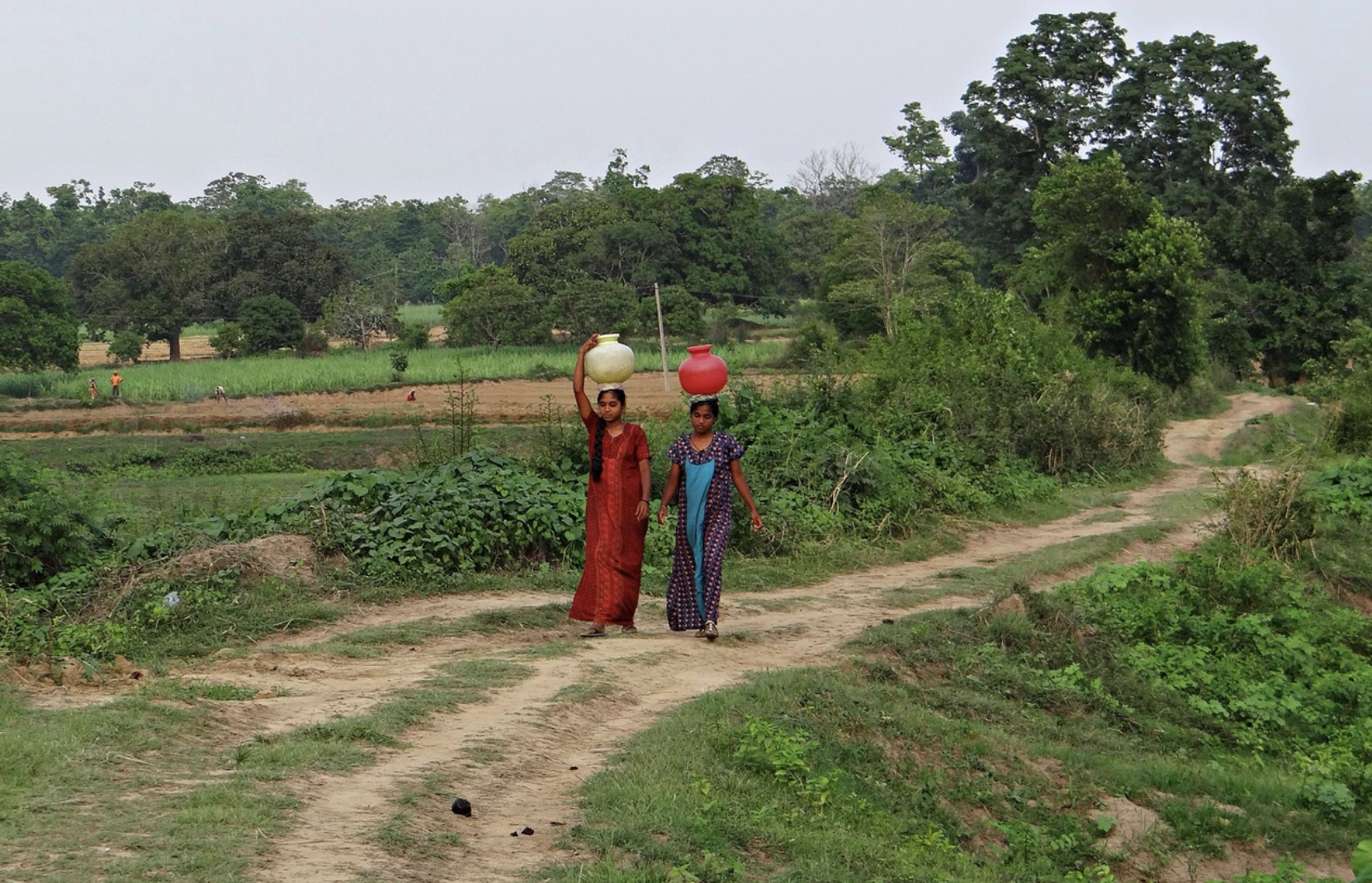
There is no substitute for water.
Water sustains ecosystems, food production, livelihoods, and communities. It is woven into nearly every aspect of our lives. When water becomes scarce or unreliable, the consequences stretch from daily needs to economies, food security, and the natural world.
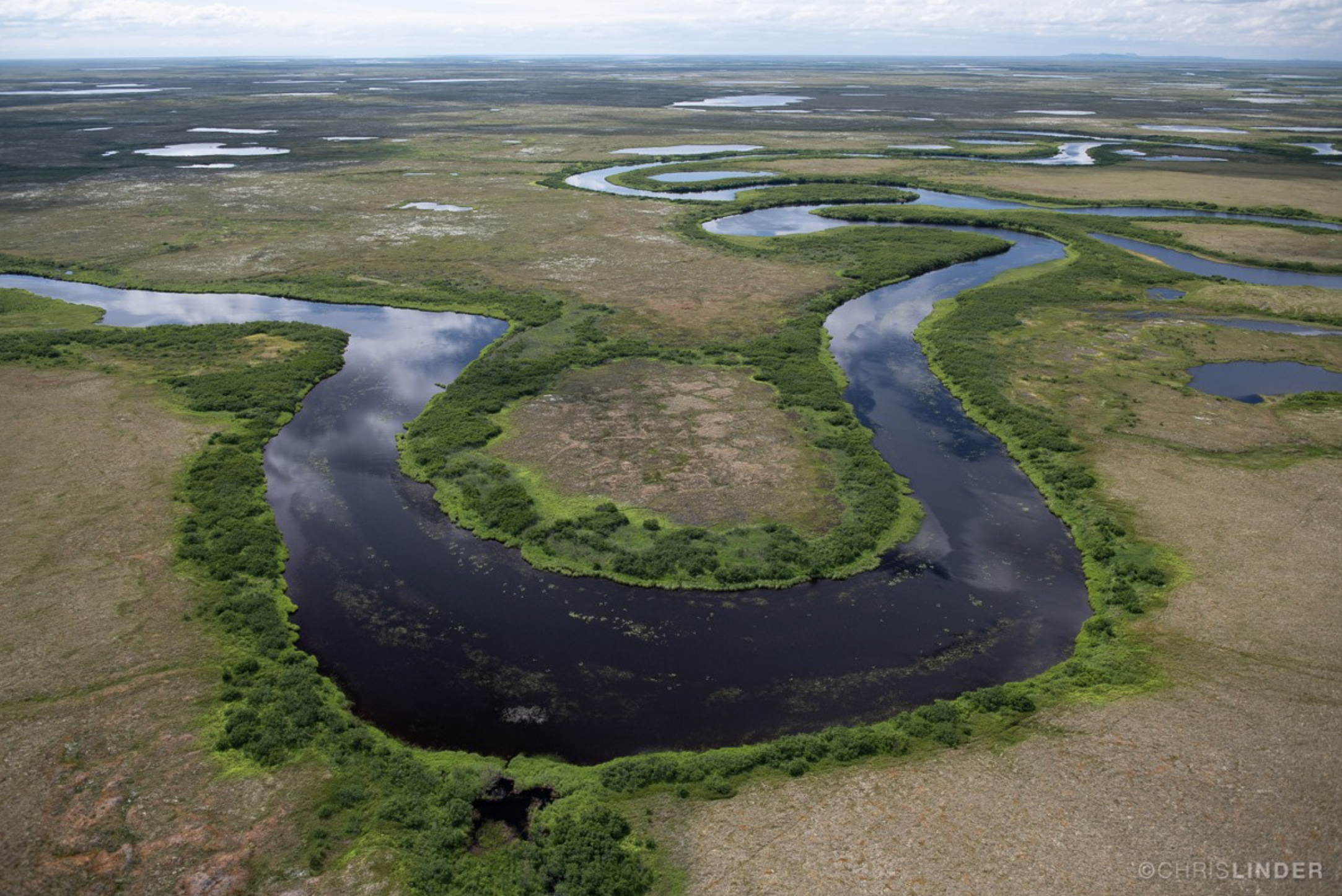
photo by Chris Linder
DROUGHT & WATER SCARCITY
For billions of people, water scarcity is already a reality. A 2023 global assessment estimated that about 4 billion people worldwide experience high water stress for at least one month each year, when demand puts heavy pressure on available supplies. In 2023, 739 million children—about one in three worldwide—lived in areas with high or very high water scarcity.
Drought can make these shortages worse, but rainfall is only part of the picture. Overuse, pollution, growing demand, and unequal access can deepen water insecurity, leaving some communities far more vulnerable than others.
When water becomes harder to access.
Water scarcity is not just about how much water is available, but whether people can reliably access it. As supplies tighten, water can become harder and more expensive to obtain, affecting everything from basic daily needs to health and livelihoods.
Our Food Depends On Water…And Timing
Drought hits our food system at its source, especially when water becomes scarce during critical stages of crop growth. It can damage plants and lower yields, reducing what farmers can harvest and sell. Livestock production and farm incomes can also decline, affecting agricultural workers and the local businesses that depend on farming.
Woodwell research found that in the world’s major crop-growing regions, about half of corn and nearly two-thirds of wheat production areas face high water scarcity. At that scale, water scarcity threatens food supplies, prices, and agricultural livelihoods around the world.
photo by John Schade
Nature depends on water too.
Drought can have profound effects on ecosystems. As water becomes scarce, plant growth slows, forests absorb less carbon, and more trees can die. Following California's severe 2012–2015 drought, about half the trees died in some of the hardest-hit forests of the central and southern Sierra Nevada. Increasingly dry vegetation also becomes more vulnerable to wildfire.
The effects extend to freshwater ecosystems, where lower river flows and shrinking lakes and wetlands reduce habitat for aquatic life.
Water Scarcity Disrupts Communities
Rivers and reservoirs support essential services, from municipal and industrial water supplies to electricity generation and transportation. During drought, falling water levels can strain these systems, reduce hydropower production, and degrade water quality. In some cases, water can become temporarily unsuitable for drinking, while warmer, oxygen-poor conditions can harm fish.
Where rivers serve as major transportation routes, the consequences can be especially severe. In the Brazilian Amazon, Woodwell researchers identified more than 3,200 communities and villages particularly vulnerable to isolation during severe droughts. When river travel becomes difficult or impossible, essential supplies become harder to obtain, access to healthcare is limited, and jobs and incomes are disrupted.
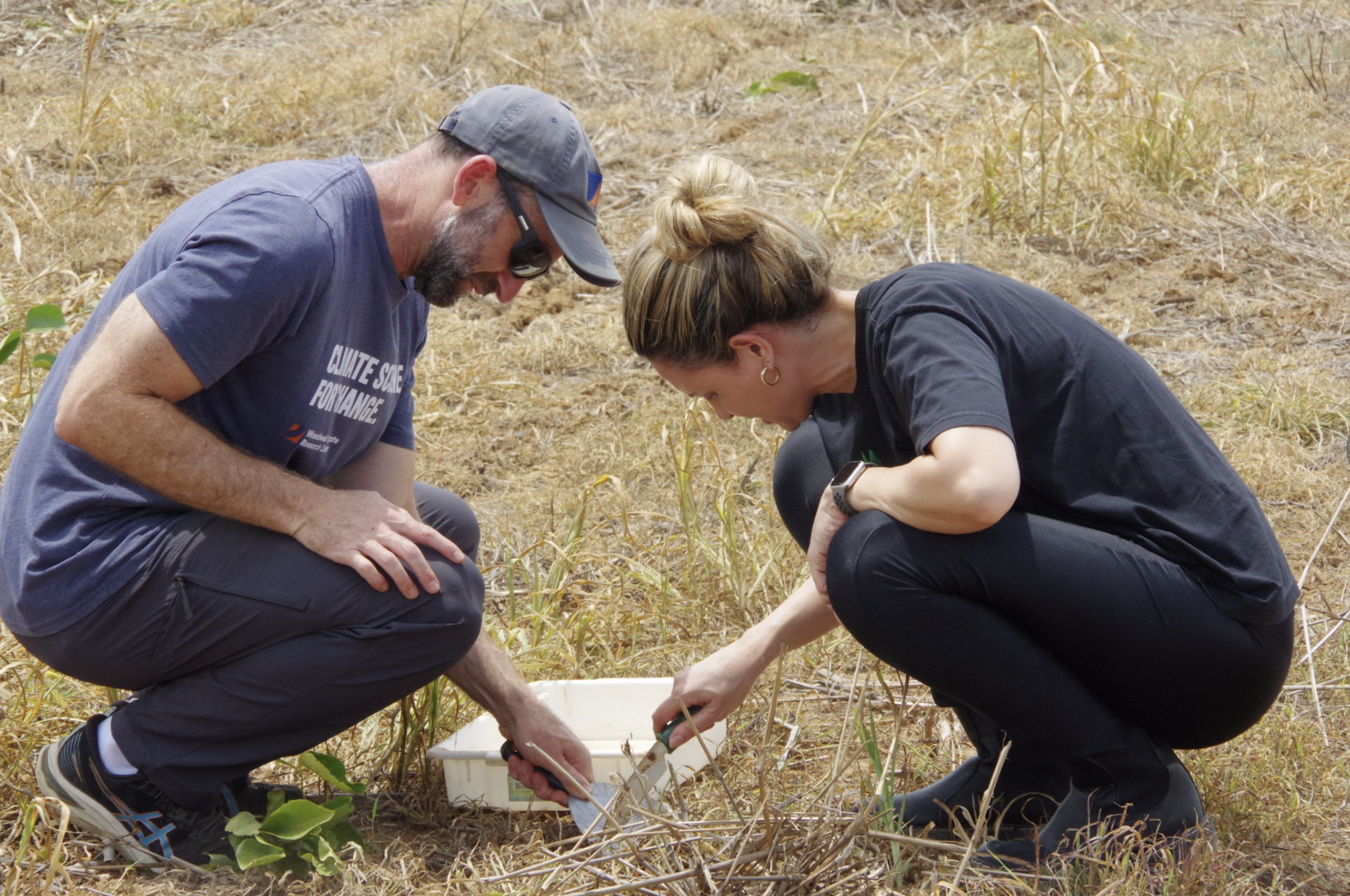
photo by Christopher Neill
What Woodwell Is doing about it.
Woodwell studies how drought and water availability are changing, what drives water scarcity, and the consequences for communities, agriculture, and ecosystems. Our scientists model future risks and identify where people and water-dependent systems may be most vulnerable.
We turn this research into climate risk assessments, maps, and tools that inform policy, water management, and drought preparedness, helping communities and decision-makers anticipate challenges and reduce risks.
Stories
Policy Papers
Projects
-
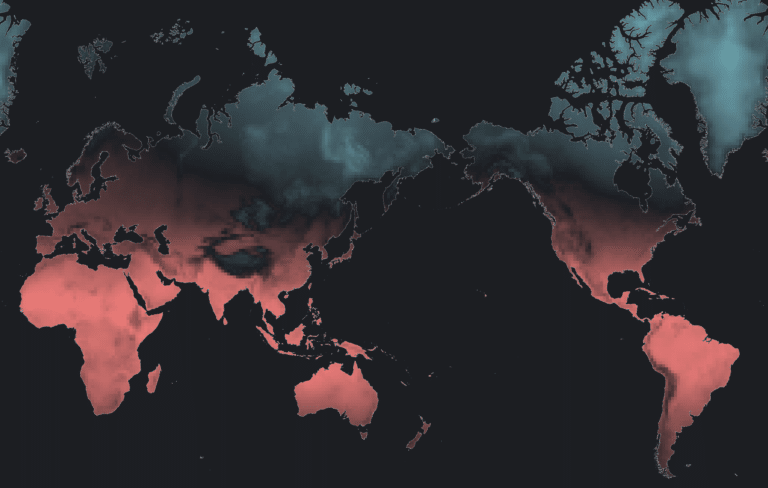
Climate Risk Viewer
View Project: Climate Risk Viewer -
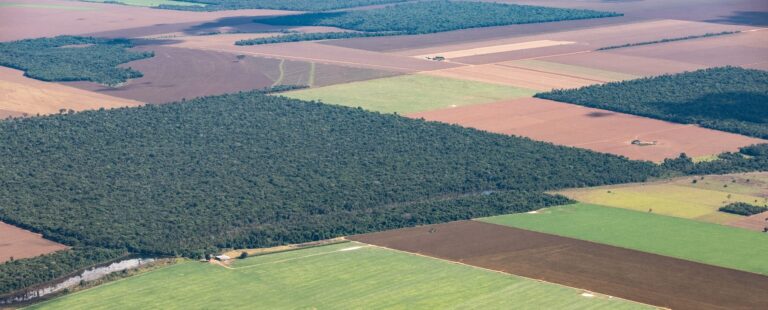
Global Assessment from Local Observations (GALO)
View Project: Global Assessment from Local Observations (GALO) -
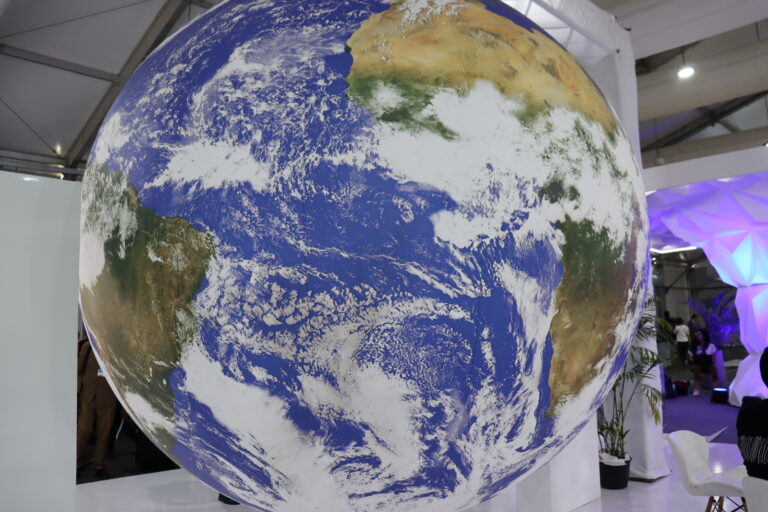
Climate Security
View Project: Climate Security -
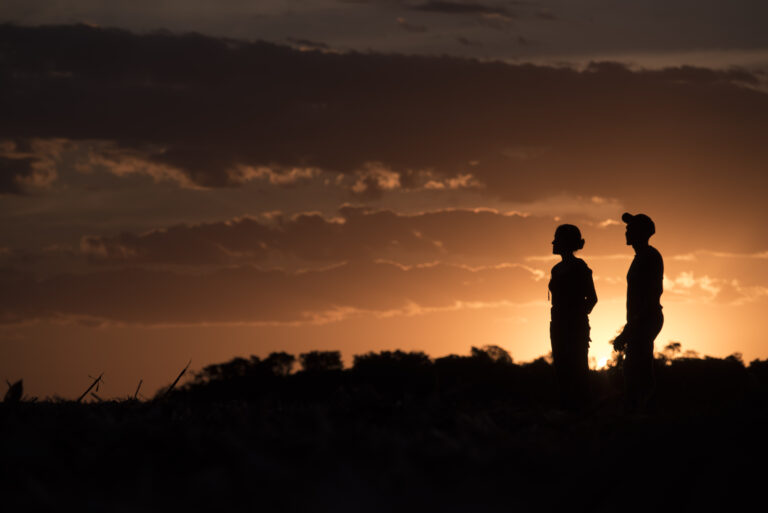
Woodwell Climate @ Tanguro Field Station
View Project: Woodwell Climate @ Tanguro Field Station
Stay up to date on the latest science. Subscribe to our monthly newsletter.
By submitting this form, you are consenting to receive emails from Woodwell Climate Research Center. You can revoke your consent to receive emails at any time by using the SafeUnsubscribe® link, found at the bottom of every email.