


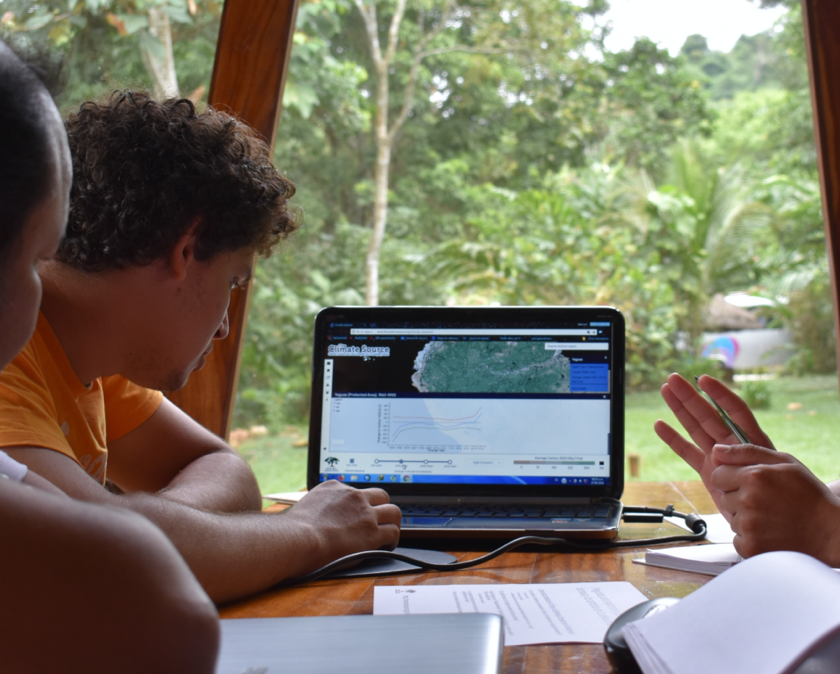
Turning climate knowledge into preparedness.
With climate change already harming communities worldwide, building adaptation strategies to protect lives and livelihoods is an urgent priority. But there is no universal blueprint for adaptation. Woodwell works with Indigenous Peoples, community-based organizations, and governments at local, regional, and national levels to make climate science useful for preparedness and resilience.
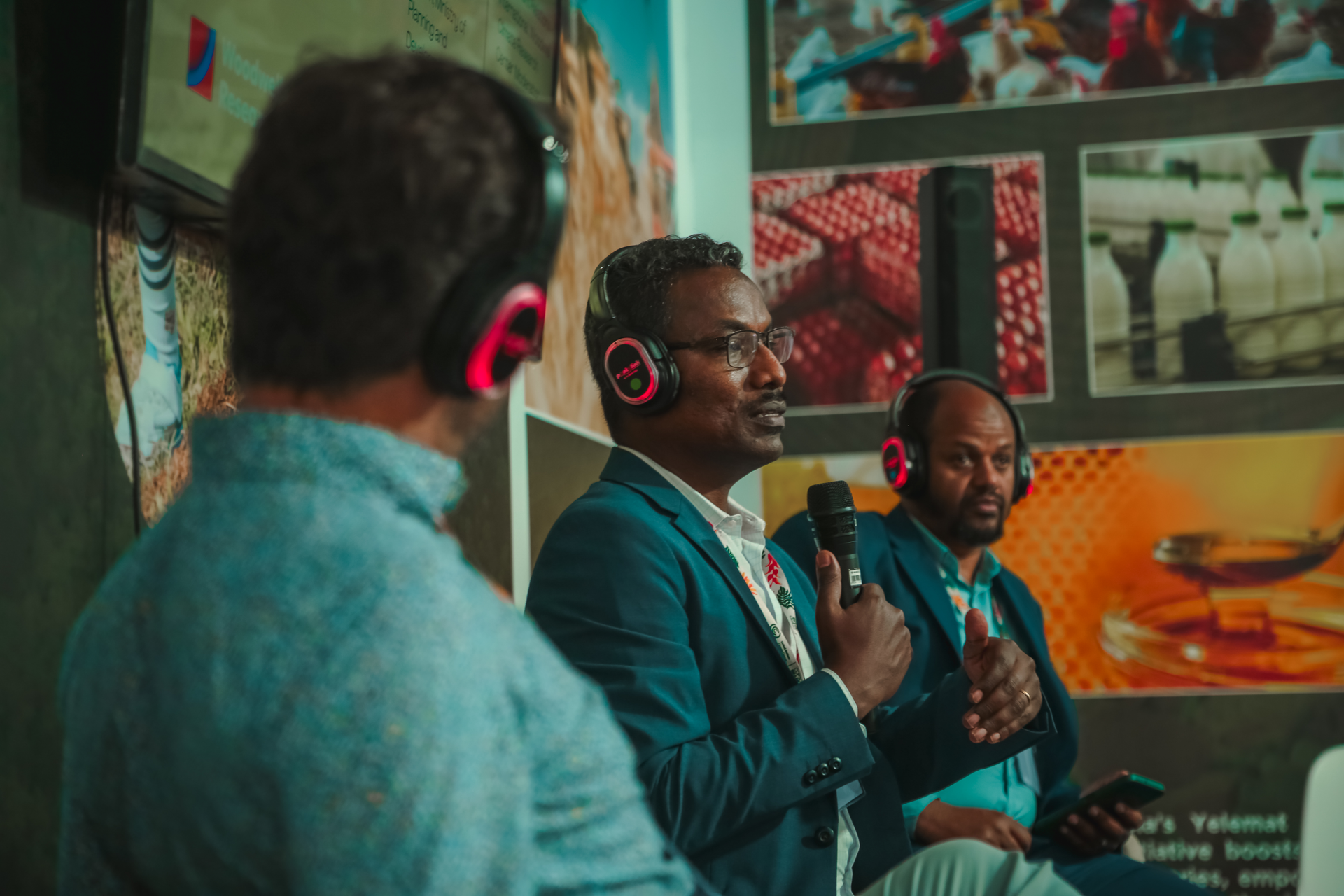
photo by Hands Photography
CLIMATE ADAPTION & RESILIENCE
There’s no one-size-fits-all solution to climate change. Every community faces different risks, has different resources, and knows its own needs. Effective adaptation starts with understanding those differences and using science to make informed decisions before risks become crises.
Knowing the risks changes the response.
Preparing for climate change means having the information and expertise to act before risks become crises. Climate risk depends not only on physical exposure, but also on infrastructure, economics, available resources, historical inequities, and the capacity to prepare, respond, and recover.
Woodwell provides high-resolution climate information, risk analysis, technical support, and scientific guidance to help identify priorities, evaluate realistic options, strengthen plans, and build the case for adaptation investment and funding.
This work is especially important in historically under-allocated communities, Indigenous communities, and other places where climate risks may be high but access to technical and other financial resources is limited.
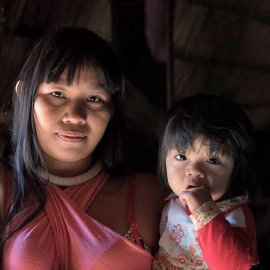
Community-led solutions.
Communities often know best where action is needed. What can be missing is the technical experience and support needed to turn priorities into actionable, fundable plans.
Led by community priorities, our science can clarify who and what is most exposed, where risks are increasing, and which adaptation choices are realistic. That evidence can strengthen resilience plans, inform policy and investment decisions, and support credible proposals for public funding.
At broader scales, the same forward-looking approach can help communities anticipate interconnected risks to infrastructure, food and water systems, resources, and stability—supporting more proactive resilience and security planning.
Community knowledge and science together provide a stronger basis for identifying realistic options and directing limited resources where they are most needed.
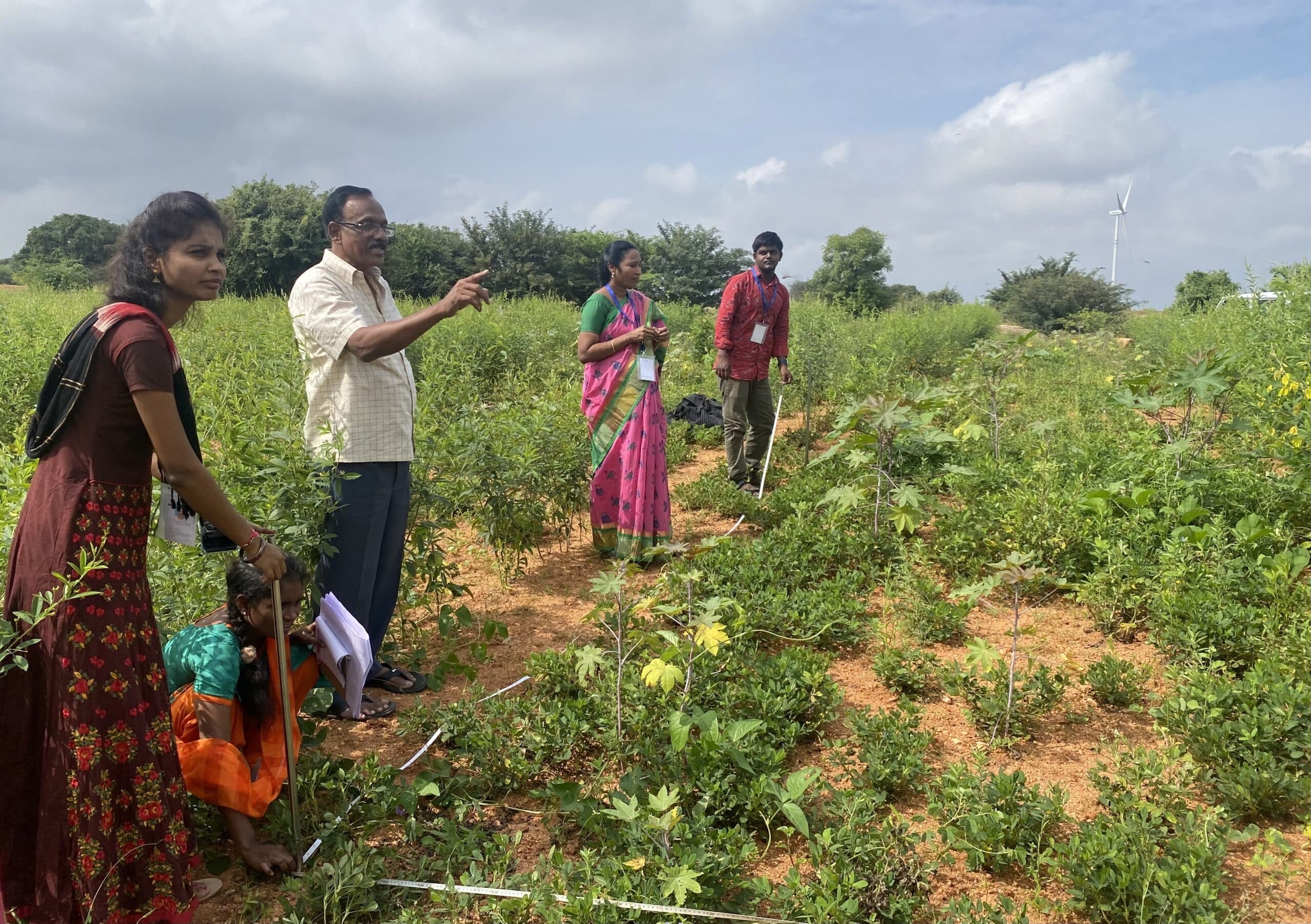
photon by Taniya RoyChowdhury
Adaptation in practice.
Across Woodwell, this work includes community climate risk assessments, resilience planning, Indigenous- and community-led adaptation, climate monitoring and decision-support tools, and research that helps communities prepare for emerging and interconnected risks. But adaptation does not end with a single assessment or plan.
By making forward-looking climate information a recurring part of decision-making, longer-term partnerships can strengthen capacity, improve how knowledge and resources are shared, and allow strategies to evolve as conditions change.
Resilience is not about preparing for one fixed future. It is about being better equipped to make informed choices as that future unfolds.
Stories
Policy Papers
Projects
-
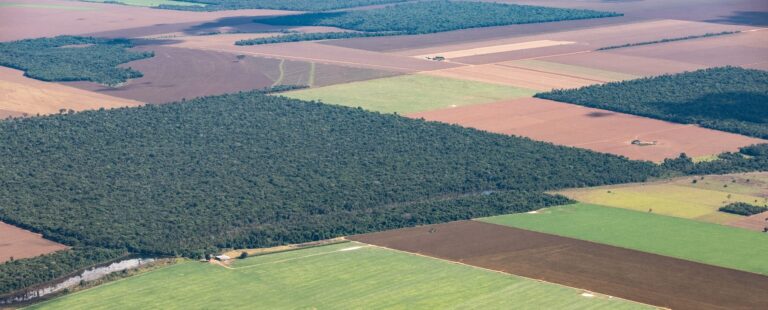
Global Assessment from Local Observations (GALO)
View Project: Global Assessment from Local Observations (GALO) -
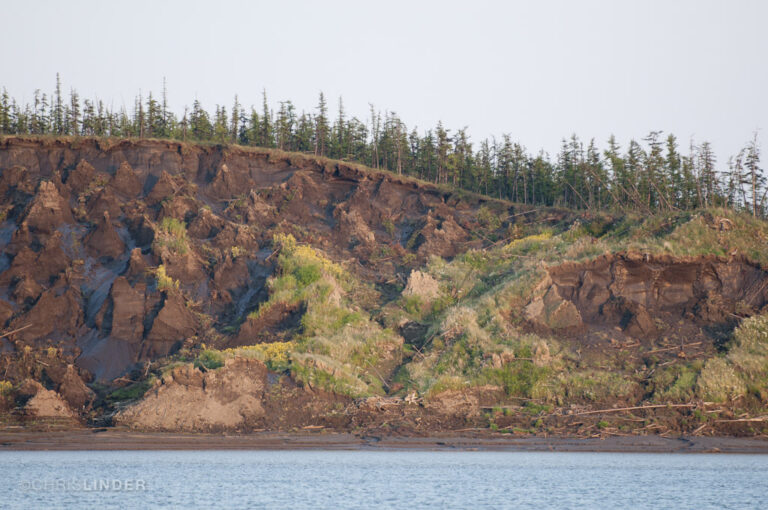
Permafrost Pathways
View Project: Permafrost Pathways -
Woodwell Climate @ Tanguro Field Station
View Project: Woodwell Climate @ Tanguro Field Station -
Woodwell Climate | Just Access
View Project: Woodwell Climate | Just Access -
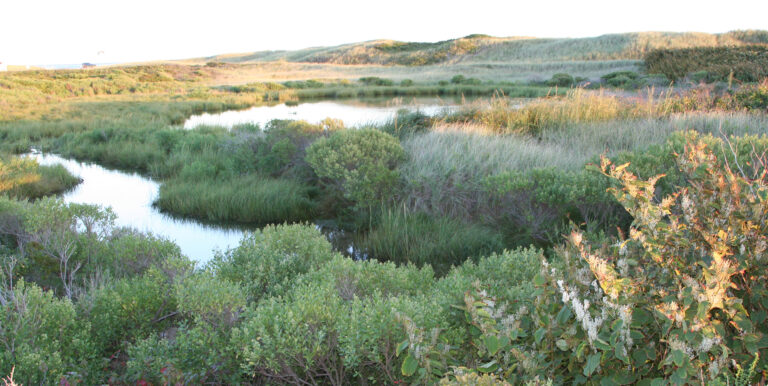
Climate Smart MV
View Project: Climate Smart MV
Stay up to date on the latest science. Subscribe to our monthly newsletter.
By submitting this form, you are consenting to receive emails from Woodwell Climate Research Center. You can revoke your consent to receive emails at any time by using the SafeUnsubscribe® link, found at the bottom of every email.