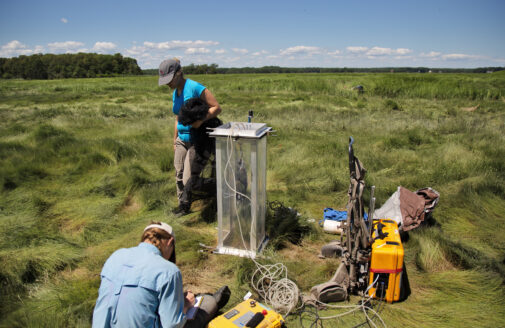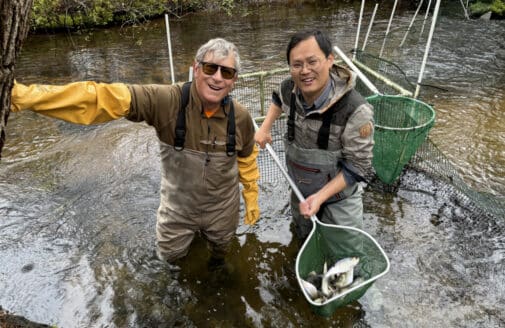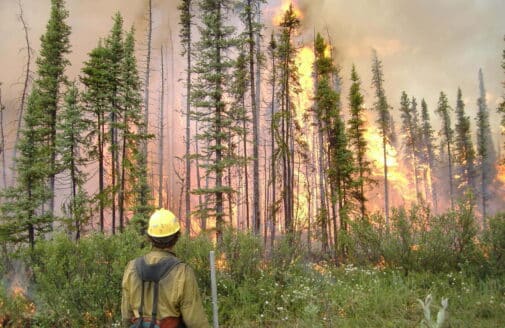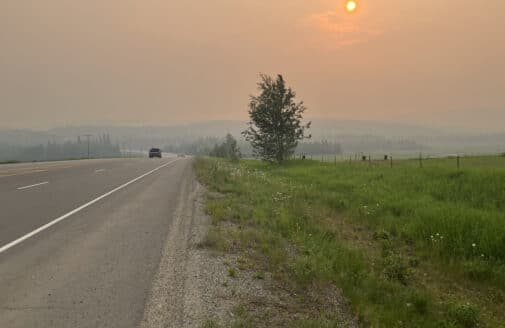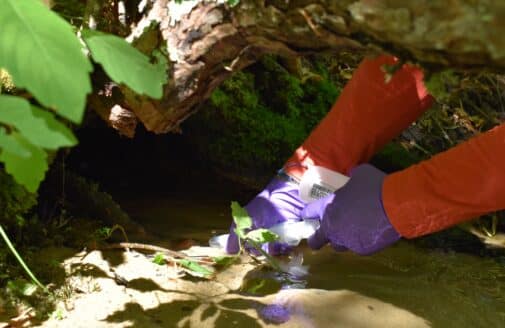


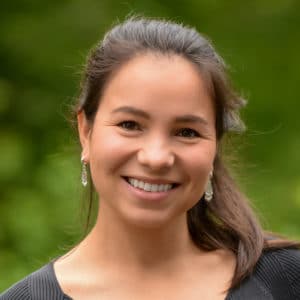
I study how our changing climate is reshaping the chemistry of the world’s largest rivers. My work focuses primarily on the Arctic Great Rivers Observatory (ArcticGRO), where we monitor river water to understand the health of the entire Arctic ecosystem. Arctic rivers act as “planetary linchpins,” connecting vast areas of land to the ocean and carrying a chemical signature that tells a story of the changing landscape. By analyzing these water samples, I help diagnose how processes like thawing permafrost, shrubification, and human influence are altering the flow of nutrients and carbon into our oceans.
My connection to this work is deeply personal. I was raised in the Siberian town of Zhigansk on the banks of the Lena River—one of the key rivers in the ArcticGRO project. I have been involved in river monitoring and science since I was a teenager in Siberia, a journey that eventually led me to Woodwell Climate Research Center. Today, I help lead laboratory and statistical analyses, manage international logistics, and ensure our data is accessible to the global scientific community. In addition to my Arctic work, I have supported the implementation of the Global Rivers Observatory, the Cape Cod Rivers Observatory, and Science on the Fly.
I hold a degree in World Economics from North-Eastern Federal University in Russia and an M.Sc. in Climate Science and Policy from TERI University in New Delhi, India. When I am not in the lab or analyzing data, I enjoy expressing my creativity through pottery, both making my own pieces and teaching others the craft.