

Woodwell Climate scientists are tackling the global fire crisis
Researchers are working with communities to create solutions to one of the most dangerous climate impacts


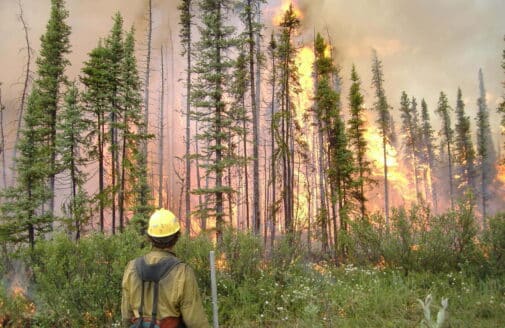
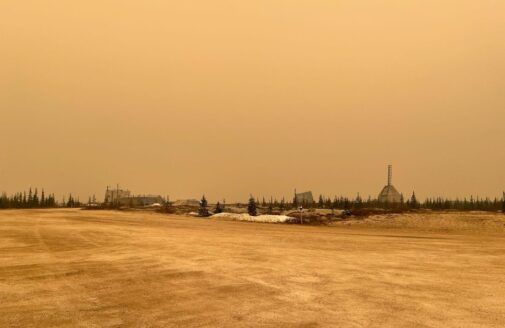
Haze and smoke from wildfires in Alaska.
photo by Kayla Mathes
From the permafrost peatlands of Interior Alaska to the tropical forests and savanna of Brazil, fire is catching. Climate change is exacerbating wildfire seasons around the globe year after year. Scientists at Woodwell Climate Research Center are working with communities across the globe to understand the extent of the risk and find solutions to address it.
The fire-climate connection
Climate change is creating hotter and drier extremes, and as a result, wildfires around the world are increasing in frequency and severity. In both the Arctic and the tropics, wildfire seasons are starting earlier and ending later.
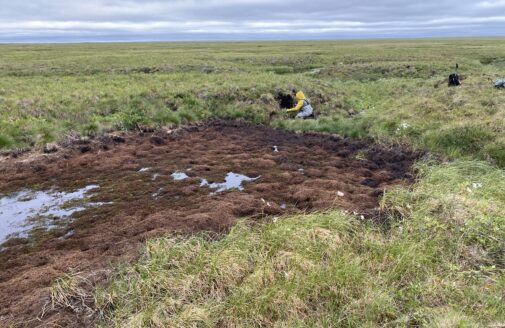
The Arctic is home to the boreal ecosystem—a forested biome made up of mostly evergreen trees evolved to handle cold, dry winters and nutrient-poor soil. These trees have adaptations that help them thrive alongside wildfires, such as thick bark and cones that release their seeds after a fire. Wildfires historically benefited the boreal ecosystem by removing the ground’s top layer of vegetation and allowing it to regrow. However, with current wildfire seasons, more land is burning, and it’s burning hotter. More intense fires burn past the soil organic layer and expose permafrost—frozen ground that contains an accumulation of carbon from dead animal and plant matter.
“We’re seeing these permafrost thaw scenarios that were not happening before,” says Postdoctoral Researcher Dr. Kayla Mathes, who assesses fire management strategies to reduce carbon and other greenhouse gas emissions in Alaska’s boreal ecosystem. “The boreal fire regime is shifting under climate change.”
In the tropics, fires are also becoming larger and more widespread. Rainforests, which are not adapted to fire, have been igniting from human activity and burning due to higher temperatures and drier seasons. Nearly 10 million acres of land burned in the Amazon rainforest in 2025.
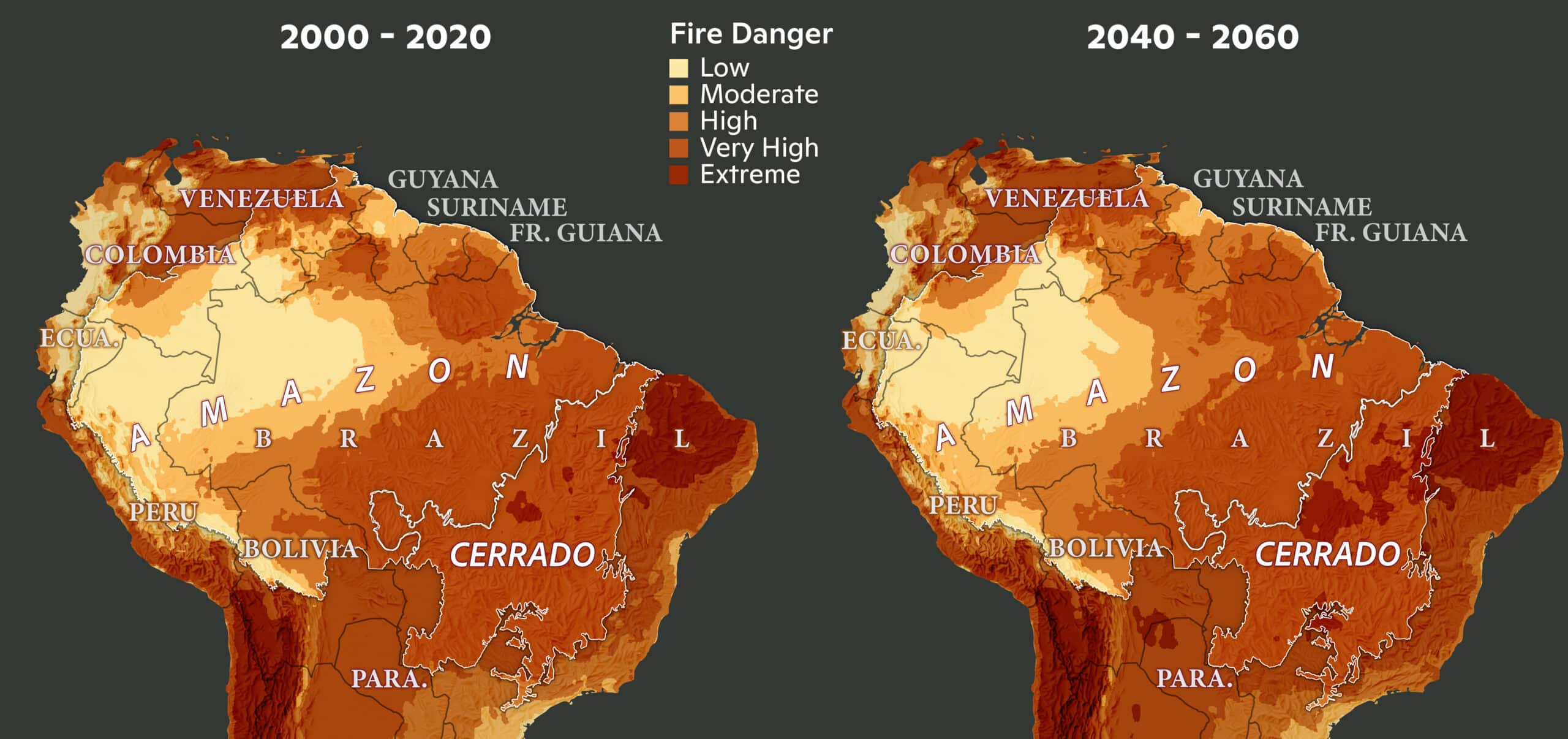
map by Christina Shintani
The tropical savanna of the Cerrado, on the other hand, actually relies on fire and other disturbances to be healthy. Similar to the boreal region, the Cerrado’s vegetation has evolved to withstand fire and depends on natural burns to maintain biodiversity. But too much fire can devastate the region and threaten local communities.
The increasing intensity and frequency of fires in both the boreal forest and the tropical savanna are causing a destructive feedback loop. When fires burn forests, carbon stored in the trees, vegetation, and soil gets released into the atmosphere. More carbon in the atmosphere leads to hotter, drier conditions, causing more fires. Which means figuring out how to get these fires in check is critical to slowing climate change.
Improving fire management to fight climate change
Dr. Brendan Rogers, Woodwell’s Richard “Skee” Houghton Chair in Carbon Cycle Science, is leading research on boreal fire management. Rogers began this work eight years ago alongside Dr. Carly Phillips, a research scientist at the Union of Concerned Scientists, and Dr. Peter Frumhoff, Woodwell Climate’s Senior Science Policy Advisor. The team received one of the first Woodwell Fund for Climate Solutions (FCS) grants to study fire management as a way to curb carbon emissions. The FCS is designed to provide scientists with seed funding to explore projects that test out innovative ideas for climate solutions. Launched in 2018, the FCS has funded over 80 projects.
In their study published in 2022, the scientists combined cost and emissions data to demonstrate how cost-effective fire management in Alaska was at keeping carbon out of the atmosphere. They concluded that fire suppression efforts cost less than 13 dollars per ton of carbon dioxide emissions avoided, putting it on par with clean energy solutions like onshore wind in terms of cost-effectiveness.
Based on this research and the group’s collaboration with Alaska’s fire managers, in 2023 the U.S. Fish and Wildlife Service dedicated over a million and a half acres of the Yukon Flats National Wildlife Refuge to a pilot project that would deploy fire management to protect ancient permafrost called Yedoma, which contains carbon that can be over 150,000 years old. This was the first-ever pilot project of boreal fire management for climate mitigation.
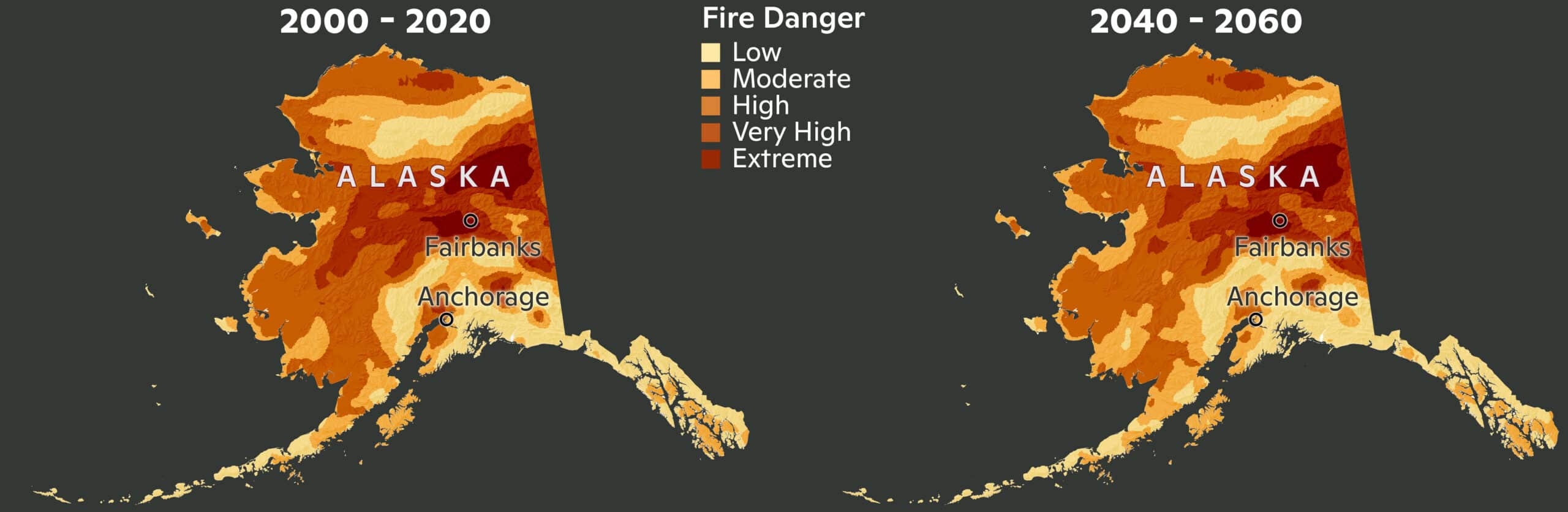
“That was kind of a landmark moment,” says Rogers. “It’s the first time in the U.S., and internationally as far as we’re aware—outside of Australia—that any agency has conducted fire management for carbon.”
Following the success of this FCS-funded research, Rogers has been able to secure additional funding through the Alaska Venture Fund, Google.org, and the McCall MacBain Foundation. These grants are funding projects to identify and tackle fire management needs in Alaska, analyze carbon savings and cost-effectiveness of carbon protection, create a permafrost and carbon vulnerability map for Alaska and Canada, and expand work in fire management into Canada.
“Ultimately, we want to make sure this work moving forward is benefiting the atmosphere, ecosystems, and Arctic communities,” says Rogers.
Managing fire in concert with the ecosystem
The FCS has also helped enhance Woodwell’s fire research in the tropics.
Research Scientist Dr. Manoela Machado studies the impacts of human activities in fire regimes in tropical ecosystems. A biologist by training, she has been studying fires for 11 years. Her current FCS-funded project, focused on defining and measuring degradation in the Cerrado, will develop a new framework and map to monitor the health of the ecosystem.
“If fire is removed entirely, you allow the trees to overgrow, you shade the area, and you exclude the shrubs and herbaceous layer that depends on the light,” says Machado. “You lose biodiversity.”
Machado hopes that her degradation framework will help government agencies, environmental nonprofits, and carbon market participants define degradation in a system that relies on disturbance to exist. She also hopes that fire management in the Cerrado and other fire-prone tropical forests can work with local communities on the ground—something that she does herself.
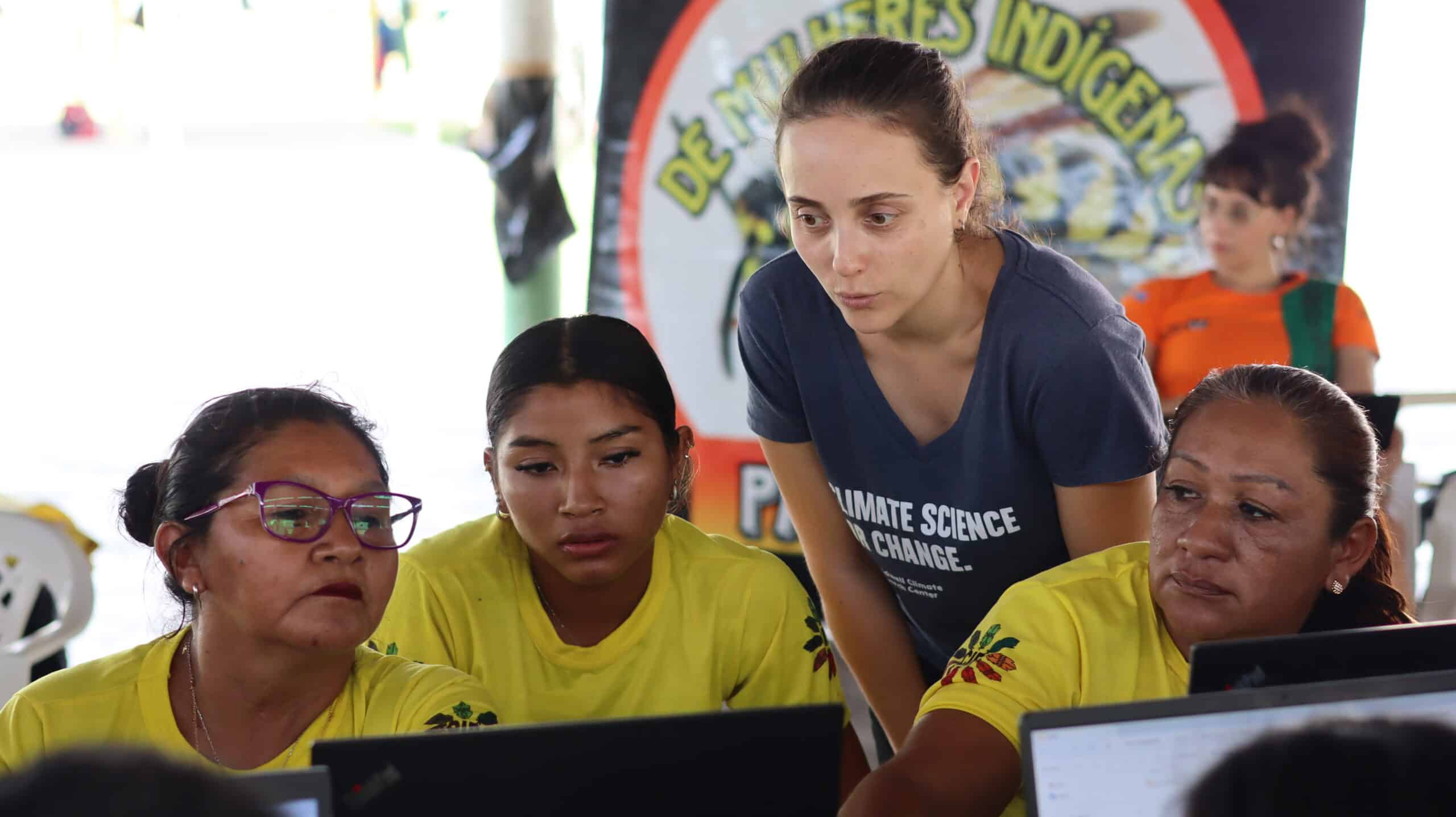
Manoela Machado teaches GIS skills to Indigenous fire brigade members
photo by Sara Leal Pereira/IPAM
In addition to collaborating with team members from Woodwell Climate, the Amazon Environmental Research Institute (IPAM), and the University of Oxford, Machado is also working with Indigenous fire brigades to better understand their needs, and provide training in the use of GIS tools to aid their work.
“Being on the ground and understanding those needs, and then figuring out what I can do with my expertise to help in their fight, has been crucial for me and my development both as a scientist and a human,” says Machado.
Partnering with local communities for fire management
While science has helped better understand fires, effectively curbing them requires researchers to prioritize the social, political, and economic factors that drive them.
One example lies in the Cerrado. Although the tropics region can experience natural wildfire, human activity is the largest driver of fire occurrence.
“We have lost half of the vegetation in the most biodiverse tropical savanna in the world to agriculture expansion,” says Machado. “The rest of what remains—less than half of native vegetation—is subject to some pressures.”
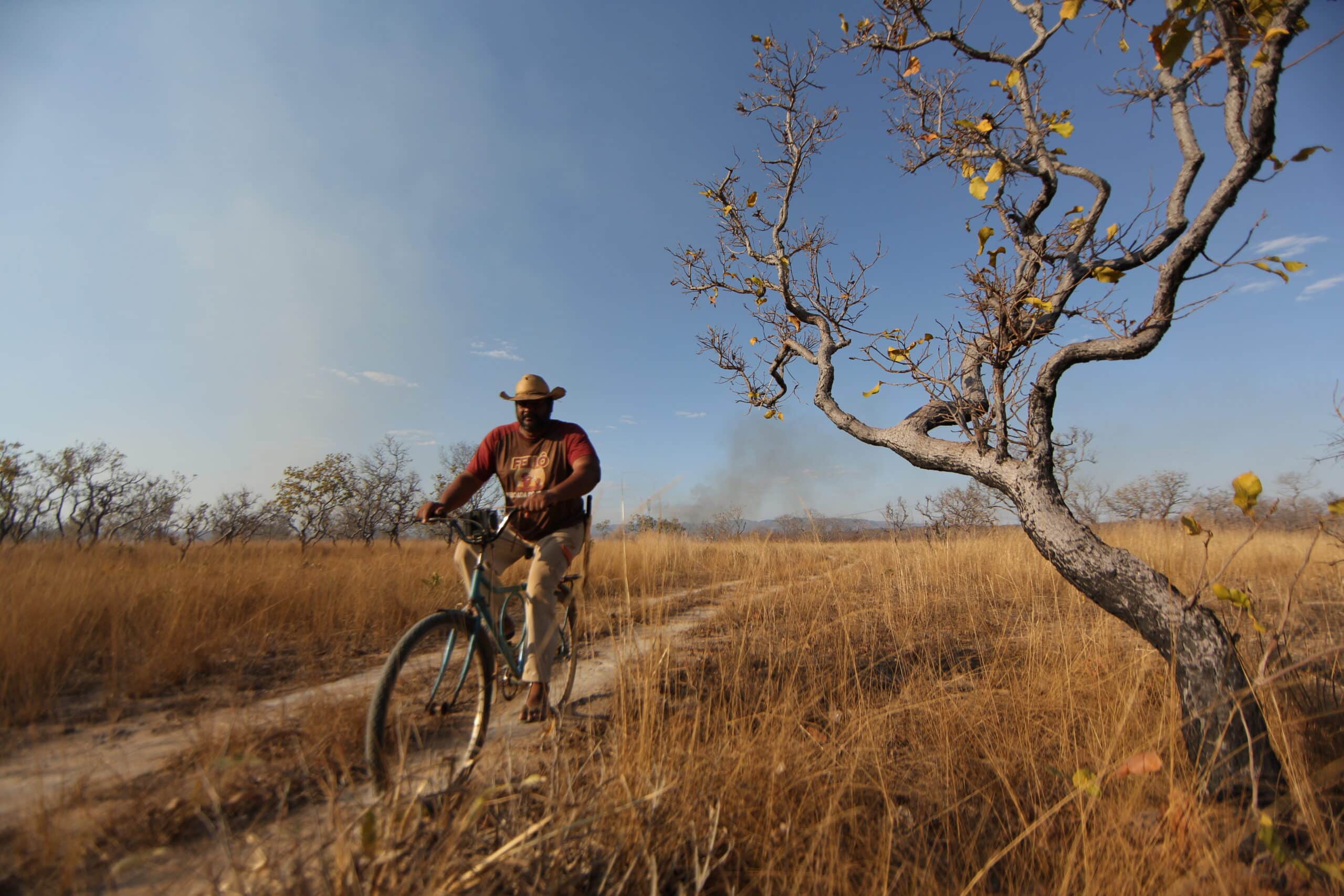
A local man cycles through the Cerrado with smoke from a fire on the horizon.
photo by Illuminati Filmes
These fires are often caused by land being cleared for agriculture or infrastructure development. But not all fires are ill-intentioned.
Traditionally, Indigenous communities in both the tropics and the Arctic have used fire as a tool to manage landscapes and clear areas, cultivate important plants, and steward the health of the ecosystem. Being aware of the social implications of fire use is an important part of intentional fire management, Machado says.
“Thousands of people rely on fire and depend on that ecosystem—they don’t want their land to burn in a catastrophic way either,” says Machado. “We can’t equate large-scale deforestation, bad actors, and predatory agricultural practices with subsistence agriculture by local communities, by rural communities, by quilombolas, by Indigenous People.”
In the Arctic, too, Indigenous communities have a strong connection with fire. Senior Arctic Lead Edward Alexander is working with the Permafrost Pathways team to elevate Arctic Indigenous Knowledge and inform policy solutions for the North’s intensifying fire regime. He has helped facilitate connections with communities in the Yukon Flats region of Alaska. Mathes is now partnering with these communities to conduct a boreal wildfire risk assessment centered on Indigenous needs. This FCS-funded project will support the co-production of a wildfire management needs assessment for villages in the Yukon Flats.
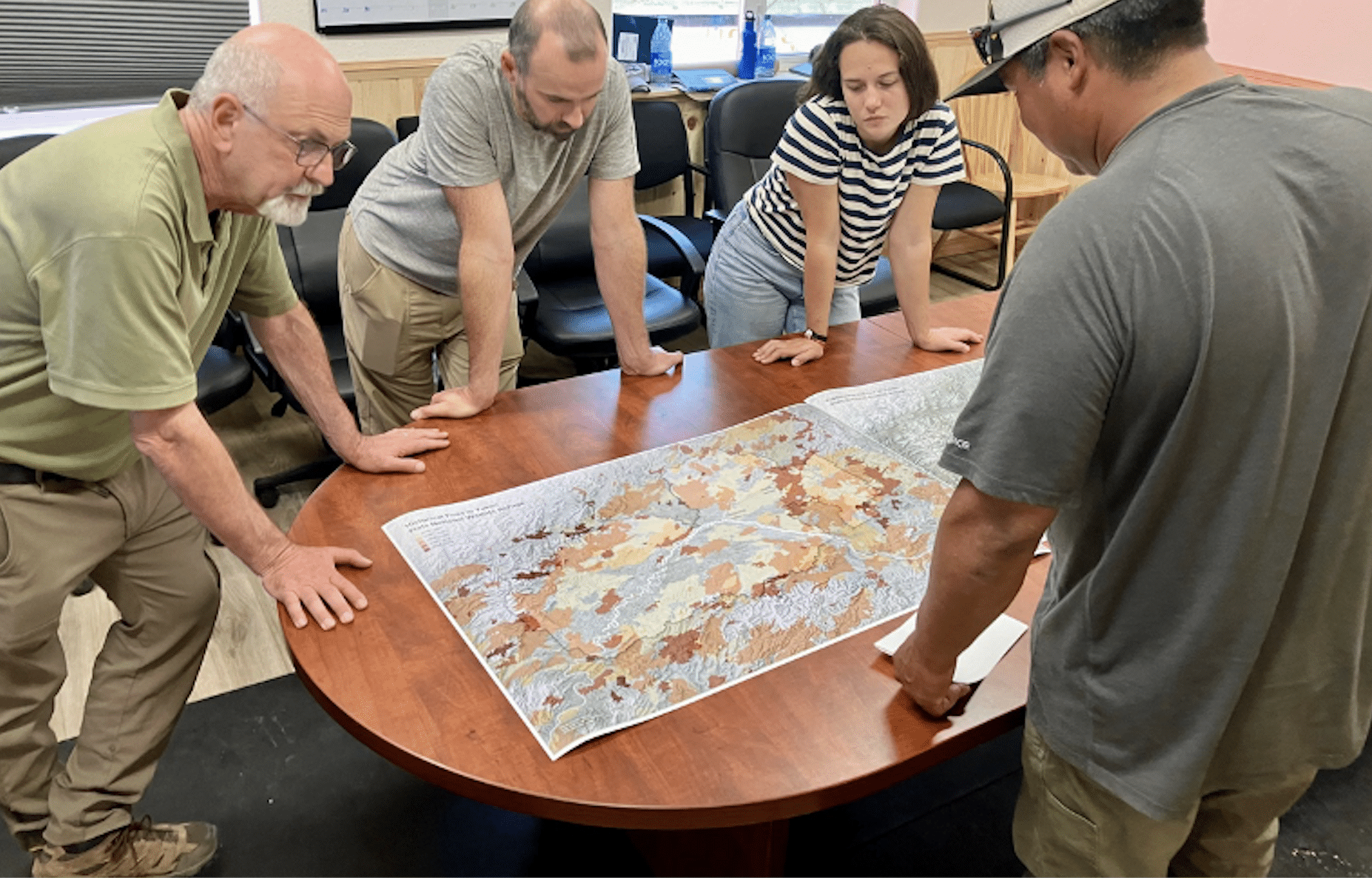
Kayla Mathes, Brendan Rogers, and Peter Frumhoff share a map of the Yukon Flats National Wildlife Refuge during a visit.
photo by Jimmy Fox
This information will help fire managers identify areas that are likely to experience wildfire and carbon emissions from burning and permafrost thaw, and will facilitate the inclusion of Indigenous knowledge and community needs in fire management priorities.
“Fire management is a very emotional and fraught conversation—we’re talking about people’s lives, we’re talking about people’s homes, talking about money,” Mathes says. “There are a lot of things that make it challenging, but now we’ve gotten to a place where, in these spaces, we all agree that this is super important. So now we have to actually do the work.


Latest in Arctic

- In The News