

Reflecting on a year of progress
A heartfelt message of hope and action


photos by Harrison DuBois, Sara Leal Pereira/IPAM, Greg Fiske
A message from President & CEO Dr. R. Max Holmes
A few weeks ago, as the temperature here in Falmouth really dropped for the first time, I pulled out my winter coat. In the pocket, I found a folded copy of comments I made at a Stand Up for Science rally back in March. It was a stark reminder of just how much has happened—and how far we have come—this year.
Here at Woodwell, our days are long and full. Attempting to recall any year’s efforts and events can be head-spinning. This year, there was an added intensity, as everything we did felt like it was happening while riding a rollercoaster. And yet, as we approach the end of 2025, I am certain that our organization and our work are stronger and more essential than they were a year ago.
That does not diminish the climate policy setbacks—truly immense—we have seen at the federal level here in the U.S. Withdrawal from the Paris Agreement and the UN climate negotiation process, efforts to roll back the Endangerment Finding, the dismantling of federal climate science programs, the end of IRA incentives for renewable energy and electric vehicles, and a host of regulatory changes that threaten clean air and water—these are just a handful of the moves whose damaging impacts will be felt ever more acutely as we move forward.
Federal actions have also directly impacted Woodwell’s operations, from the loss of (a small number of) government grants and collaborations to concerns about future funding priorities and criteria. For a time, even the security of our non-profit status was in question. The first third of this year felt like an unrelenting assault. Uncertainty, even fear, was a constant theme. But as the months have passed, the frenetic pace has eased and we have shifted from crisis footing to a risk-aware but forward-looking stance.
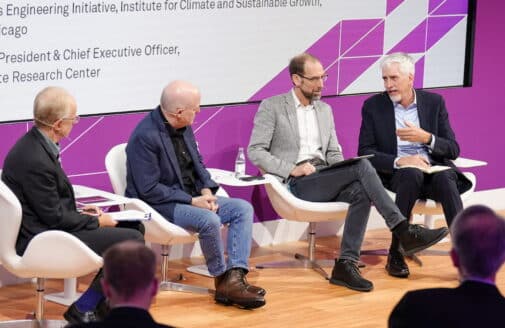
Through it all, Woodwell’s experts have stood strong and spoken up for science—whether in public comments on proposed rule changes or in personal reflections shared at a Moth-style story slam. We have shared our strength in mapmaking with Indigenous communities around the globe—from women’s firefighters in the Amazon, to Alaska Native villages, and traditional reindeer herding communities—so that they can leverage the power of geospatial data. We have supported the launch of an innovative new international mechanism to fund tropical forest conservation, the Tropical Forests Forever Facility. And I, along with more than a dozen Woodwell experts, were among those attending COP30 and making sure the rest of the world knows not all Americans have turned away from the UN climate agenda. Indeed, Woodwell’s delegation contributed to some of the top items, from forest finance and Indigenous leadership, to increasing ambition and monitoring resilience.
Onward,

Latest Stories
- In The News