

Ludmila Rattis Ph.D.

  • Assistant Scientist
  • GALO Project Coordinator
Ludmilla Rattis

I am an ecologist at the Woodwell Climate Research Center and IPAM Amazônia, where I lead the scientific coordination of the GALO Project (Global Assessment from Local Observations) and the Intelligence Network for Climate and Agriculture, a south–south initiative advancing science-based adaptation for agriculture ahead of COP30 and COP31, in collaboration with the Special Envoy for Agriculture.

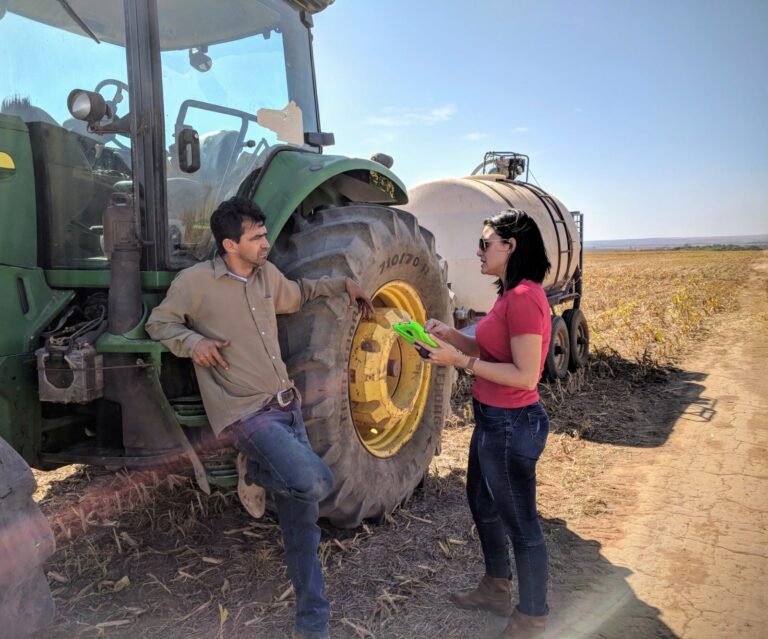
Dr. Ludmila Rattis speaks with a farmer leaning on a tractor.

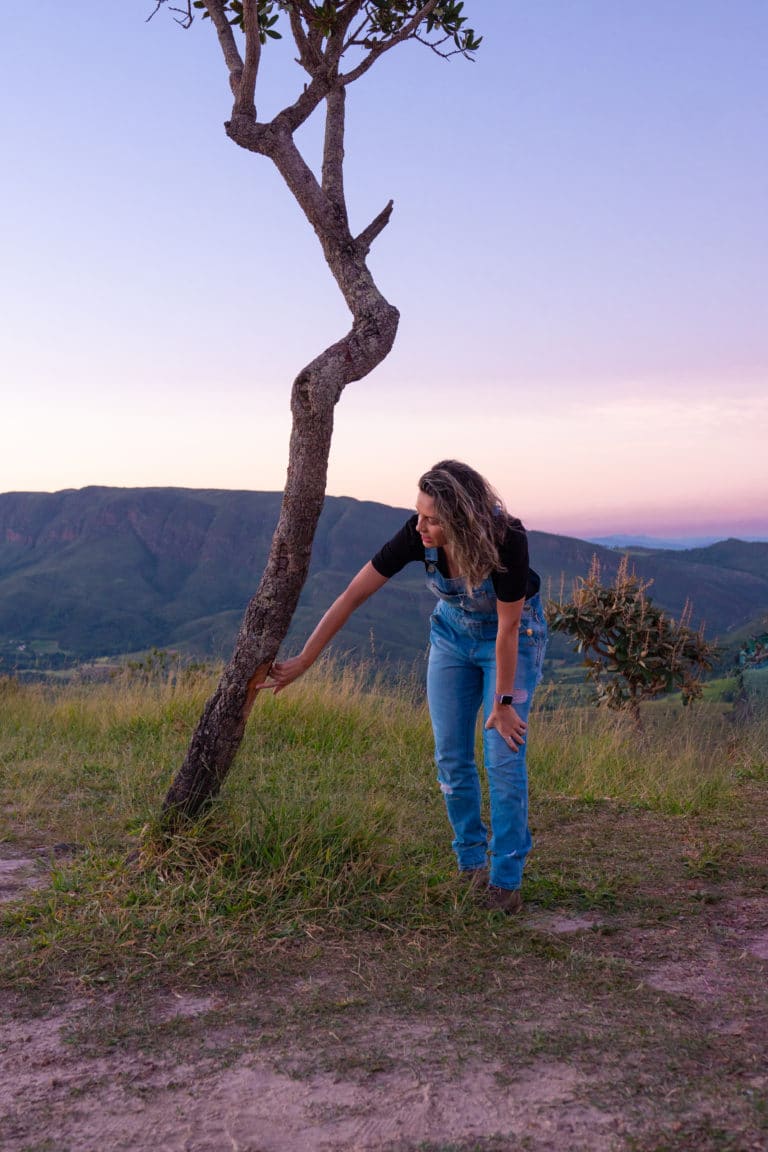
left: Analyzing bark thickness in the Brazilian Cerrado.

photo by Alessandro Kelvin

right: A fire experiment at the Tanguro ranch research station in the Brazilian Amazon.

photo by Paulo Brando

My work focuses on developing the Business Model for the Transition to Regenerative Agriculture in the Tropics and the Regenerative Agriculture Index, a tropical science-based framework to guide producers, investors, and policymakers in accelerating the transition toward regenerative and climate-resilient food systems.

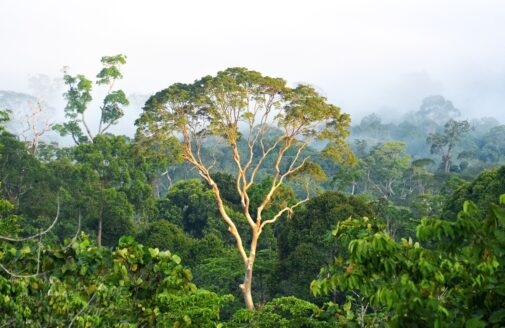
I study how tropical biodiversity and food production can be balanced in a changing world. Working jointly between Woodwell Climate and IPAM Amazônia, I investigate the Amazon rainforest and the Cerrado, two critical biomes facing deforestation and agricultural intensification, to understand their ecological thresholds and the impacts of land-use change on ecosystem services such as carbon storage, water regulation, and pollination.

A TED presenter, I have shared my research on the role of tapirs in restoring tropical forests, helping connect science with public awareness. I was recognized as a finalist for the ScientistA Award (2024), which honors Brazilian female scientists working in the United States, and was named among The 100 Latinos Most Committed to Climate Action (2025) for my contributions to integrating science, policy, and finance toward a regenerative future.
We study how changes in climate and land use impact people's lives. This science only makes sense if it starts and ends on the ground, talking to the people, who are part of both the problem and the solution.

Projects

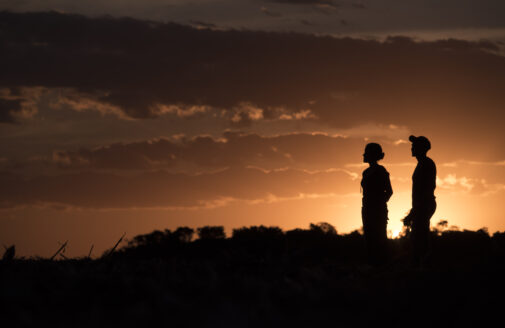
Two human figures darkly silhouetted against an orange sunset

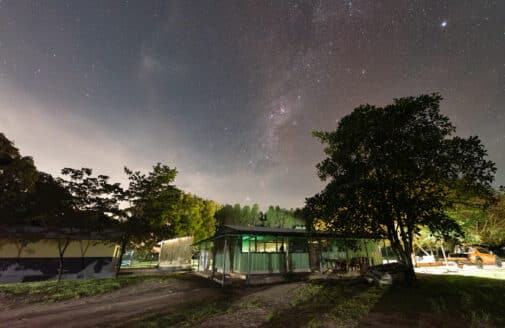
Woodwell Climate @ Tanguro Field Station

Probing tropical ecosystem dynamics at the world’s largest agricultural frontier
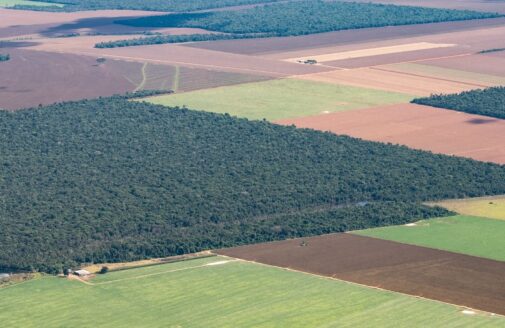
an aerial photo of a small patch of forest surrounded by green and brown farm fields

Global Assessment from Local Observations (GALO)

Advancing sustainable agriculture in the Tropics with field sampling and modeling insights

Selected Publications

Amazon wildfires: Scenes from a foreseeable disaster

Brando P., M. Macedo, D. Silvério, L. Rattis, L. Paolucci, A. Alencar, M. Coe, and C. Amorim (2020). Flora.

Read

Droughts, Wildfires, and Forest Carbon Stocks: A Pantropical Synthesis

Brando P.M., L. Paolucci, E. Ordway, C. Ummenhofer, H. Hartmann, M. Cattau, L. Rattis, V. Medjibe, M.T. Coe, and J. Balch (2019). Annual Review of Earth and Planetary Sciences.

Read

Lowland tapirs facilitate seed dispersal in degraded Amazonian forests

Paolucci, L. N., R. L. Pereira, L. Rattis, D. V. Silvério, N. C. S. Marques, M. N. Macedo, and P. M. Brando (2019). Biotropica.

Read