

Review of permafrost science in IPCC’s AR6 WG1
Introduction
This summer, the first installment of the International Panel on Climate Change (IPCC)’s Sixth Assessment Working Group 1 Report (AR6 WG1) was released; it focuses on the physical science of climate change, incorporating the latest advancements in climate science.
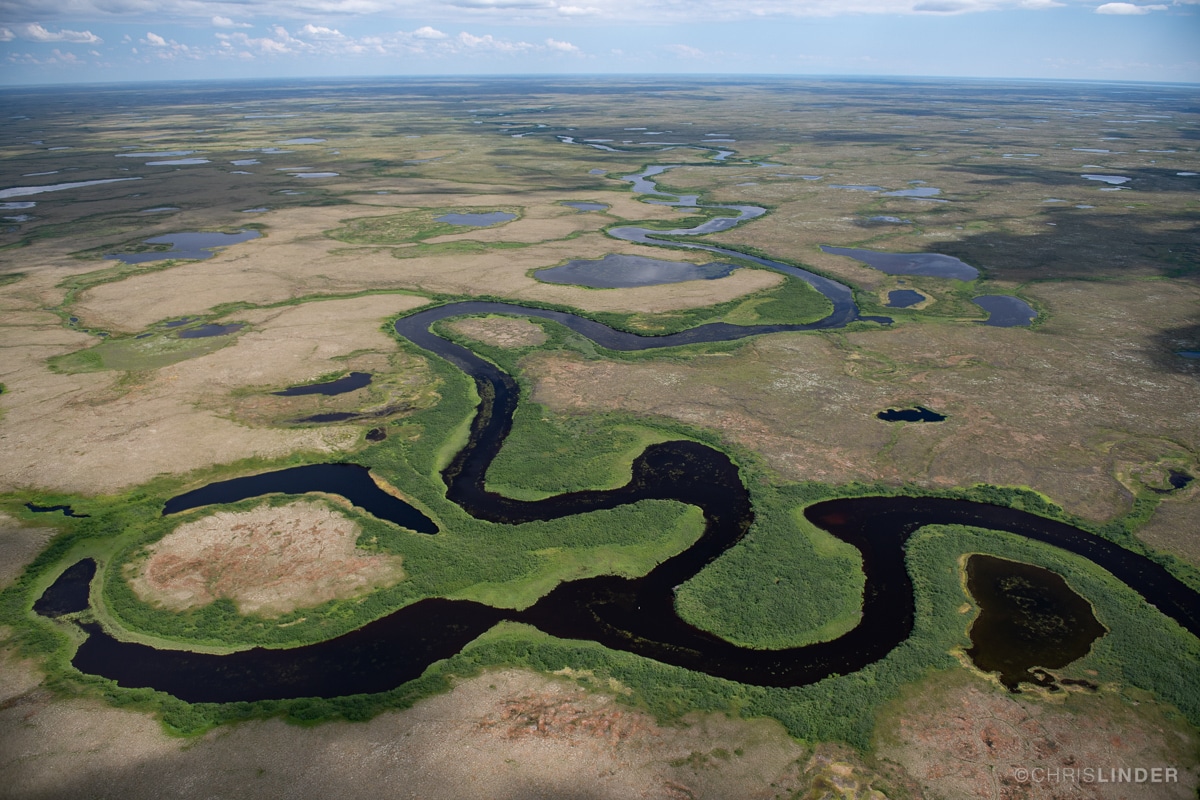
This includes the impacts of climate change on the Arctic, which is experiencing the most dramatic warming on the globe. Much of the Arctic is underlain by permafrost, which is ground that has been frozen for at least two consecutive years. Permafrost stores vast amounts of carbon, roughly twice as much as in the atmosphere. As the Arctic warms, permafrost thaw will have impacts locally and regionally as well as globally because permafrost carbon emissions will exacerbate warming further. We examine the state of permafrost science in the AR6 WG1 report.
Review
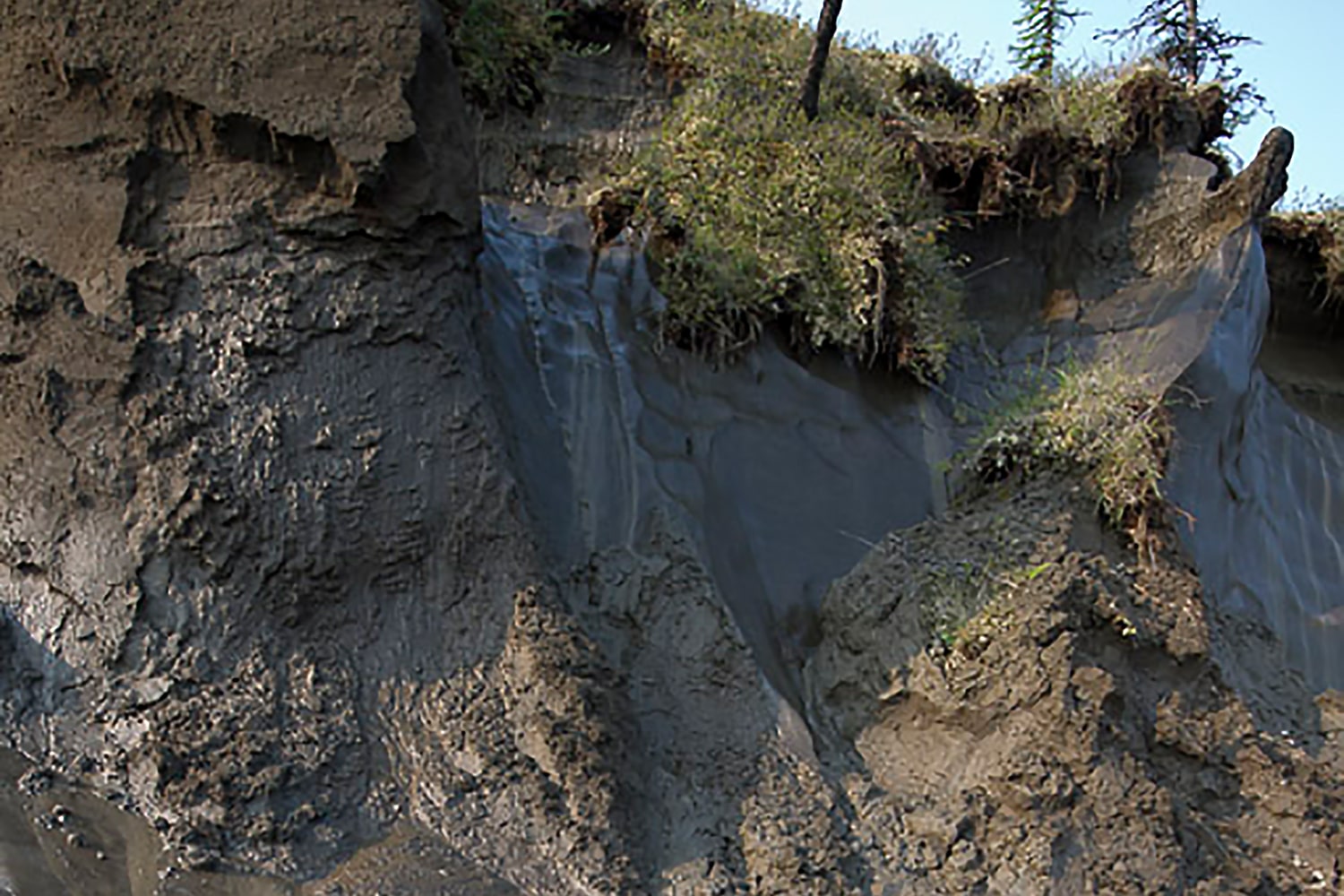
- As in previous reports, there is high confidence that warming will further permafrost thaw. Thawing increases linearly with warming scenarios.
Warming caused permafrost volume (top 3 meters) decrease compared to 1995–2014 conditions.
1.5°C–2°C = up to 50%
2°C–3°C = up to 75%
3°C–5°C = up to 90%
- With increasing warming, there is high confidence that thawing permafrost will lead to carbon release. Already, some regions of permafrost are net sources of carbon.
- The losses of permafrost carbon are irreversible at centennial timescales.
- There remains uncertainty on the timing and magnitude of emissions from permafrost.
- The carbon budget is the amount of carbon that can be released without overshooting temperature targets (1.5°C and 2°C) set under the Paris Accord.
- Most climate models still do not include permafrost processes. Nonetheless, the remaining carbon budgets (the amount of carbon that can be released without overshooting temperature targets) featured in AR6 WG1 do include emissions from permafrost for the first time.
- This is done using a simplified, preliminary estimate that both assumes a linear relationship between warming and permafrost emissions and excludes a number of critically important thaw processes—notably abrupt thaw (thaw-induced ground collapse that exposes deep permafrost) and fire-permafrost interactions. As a result, the projection (3–41 GtC per 1°C of warming by 2100) is underestimating permafrost carbon emissions potential in the budgets.
- In the AR6 WG1, the IPCC calculated the remaining carbon budget starting from January 1, 2020 to be:
Limiting warming to 1.5°C
50% chance = 500 GtCO₂
67% chance = 400 GtCO₂Limiting warming to 2°C
50% chance = 1,350 GtCO₂
67% chance = 1,150 GtCO₂
Conclusion
With each assessment report, there is increased urgency to reduce carbon emissions to avoid the most catastrophic impacts of climate change. A large gap remains in 1) understanding the magnitude of permafrost carbon emissions, and 2) incorporating those emissions into models. We hope to see this addressed in AR7.
Download as PDF>Download the pdf.
Arctic carbon
Imagine trying to stop climate change without including one of the world’s top greenhouse gas emitters. We basically are.
Only, it isn’t a country we’ve been ignoring. It’s permafrost.
Beyond 1.5: Internalizing risk: What 1.5°C (and beyond) looks like
Despite public perceptions, 1.5C degrees of warming has never been “safe,” and current events are raising awareness of the severity of impacts we face. This hard-hitting event brings into sharp relief the near-term physical, socioeconomic, and geopolitical risks of continued warming, and spotlight the power of internalizing climate risk for driving change in public- and private-sector decision-making.
Watch the video recording.
Identifying Gaps Between Climate Science and Policy Implementation
A series of workshops hosted by the COP26 Presidency and Woodwell Climate aims to increase climate risk understanding at highest levels of government
The UK hosted the 26th UN Climate Change Conference of the Parties (COP26) in Glasgow on 1–12 November 2021. The COP26 summit brought together parties from across the globe to accelerate action towards the goals of the Paris Agreement and the UN Framework Convention on Climate Change. Thus far, policy progress has not matched the severe impending climate change impacts predicted by models.
Leading up to COP26, the COP Presidency and Woodwell Climate Research Center organized country-specific workshops for 13 countries. These guided discussions attempted to identify how best to deliver climate risk science to heads of government in a way that will influence national policy.
“It is critically important that policymakers understand the severity of climate change risks, and that they match their policy ambition to the scope and scale of those risks,” said Woodwell Acting Deputy Director and Senior Scientist Dr. Jennifer Francis. “We worked with the COP26 Presidency to organize these workshops because we need to deliver this information more effectively, so that governments can take the urgent action that is needed now.”
Working with the UK’s Science and Innovation Network, Woodwell convened cross-sectoral experts, advisors and advocates on risk to collect and share best practices. Countries involved in the workshops include Argentina, Australia, Brazil, Canada, China, India, Indonesia, Russia, South Korea, South Africa, United States, Turkey, and Saudi Arabia.
Over two hours, workshop participants discussed successes and failures of policies to address climate risk, as well as the challenges to tackling emissions reduction and adaptation in their country. The conversations covered a spectrum of climate issues— from vested interests in agriculture in Brazil, to warming Arctic concerns in Russia, to intractable national governments and the question of whether more information would be enough to spur action.
“A better understanding of the full scale of the risks which climate change poses to our way of life and national economies is essential to inform commitments to climate action at COP26 and beyond,” COP26 President-Designate Alok Sharma said.
The workshop outcomes were summarized in a report released at COP26. Recurring themes across countries included the desire for expanded, more detailed datasets, research conducted with policy in mind, pairing risk information with solutions, and using an interdisciplinary approach to risk assessment. Woodwell’s Chief of External Affairs, Dave McGlinchey, said that the workshops have shown a clear way forward to improve climate risk assessments and make them more relevant to national political leaders.
“These workshops are the first step toward delivering this risk information more effectively and motivating more ambitious national policy,” McGlinchey said. “We’ve learned that policy questions and communication strategies need to be incorporated at the outset and throughout the risk assessment process. We’ve learned that risk assessments need to be localized and interdisciplinary, in order to resonate with policymakers. The next phase of our work is to help make these changes.”
White House Office of Science and Technology Policy announces Dr. Philip Duffy as Climate Science Advisor
Duffy’s hire underscores urgency of Administration’s science-based efforts to tackle climate change
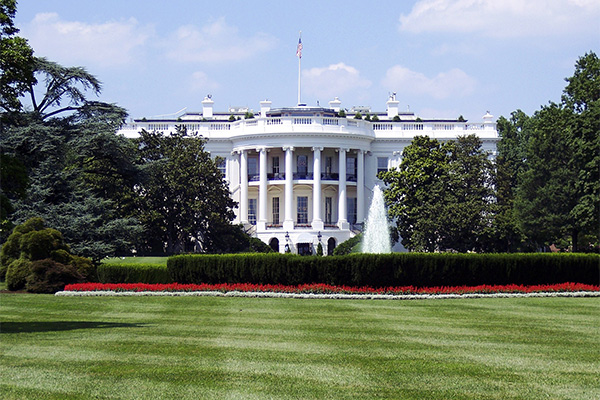
Today, the White House Office of Science and Technology Policy (OSTP) announced the addition of Dr. Philip Duffy as Climate Science Advisor to its first-ever Climate and Environment Division, reinforcing the Biden-Harris Administration’s commitment to using science-based approaches to rapidly reducing carbon emissions and preparing for the unavoidable consequences of climate change. This key hire comes at a critical time, following the recent release of the Intergovernmental Panel on Climate Change (IPCC) report which makes clear the urgent need for greater global action on climate change and the upcoming 26th United Nations Climate Change Conference of the Parties (COP26) in November.
Trained in physics and astrophysics, Dr. Duffy is a highly-regarded climate scientist whose career has focused on understanding the socioeconomic consequences of climate change, and using that understanding to inform societal decisions and policies. He comes to OSTP from the Woodwell Climate Research Center (formerly Woods Hole Research Center) where he served as President and Executive Director. In his role at Woodwell Climate, he led partnerships with groups including Indigenous groups, social justice organizations, under-resourced municipalities, conservation organizations, asset managers, and other leaders in the world of business and finance to understand how risks resulting from climate change affect their work and livelihoods, now and in the future, and how to manage those risks.
Dr. Duffy has served in government before, as a Senior Policy Analyst in OSTP and a Senior Advisor in the U.S. Global Change Research Program, both in the Obama-Biden administration.
Read the full press release.
The major emitter that’s missing from climate negotiations
A new analysis from Senate Majority Leader Chuck Schumer’s (D-N.Y.) office finds that pending infrastructure and budget bills would put the U.S. on track to hit the Biden administration’s targets for greenhouse gas emissions reductions over the next decade. That’s good news. But what if we’re aiming for the wrong target?
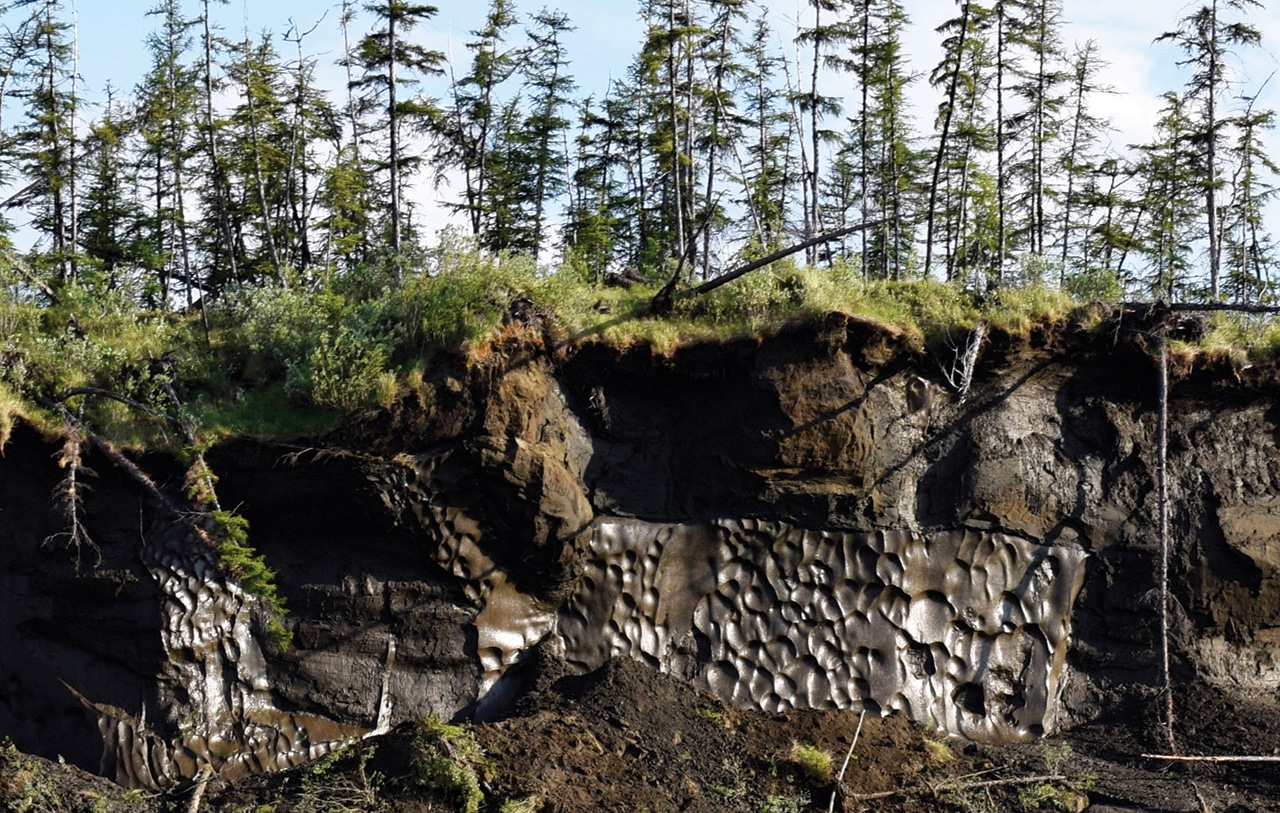
There’s a major source of greenhouse gas emissions that could derail international efforts to limit climate change, yet most people have never heard of it. It isn’t included in most climate models, nor in the calculations of how quickly we need to curtail fossil fuel emissions. It’s called permafrost, and its carbon footprint this century could be on par with unchecked emissions by the likes of Japan, India, the U.S., or even more than all these nations. Excluding such a player from international calculations and negotiations would be unthinkable. And yet, that is precisely what we’ve been doing with permafrost emissions.
Permafrost is long-frozen soil that has stockpiled immense amounts of carbon over thousands of years. It covers an area almost twice the size of the United States and holds twice as much carbon as is currently in the atmosphere. As the Arctic warms (something it is doing at three times the rate of the rest of the globe). permafrost is thawing—sometimes abruptly and dramatically—and beginning to release carbon dioxide and methane into the atmosphere. As in other parts of the world, Arctic wildfires are increasing in size and intensity, releasing yet more greenhouse gases and thawing more permafrost. The warmer it gets, the more carbon is emitted. And because those greenhouse gases drive even more warming, it can set off a vicious cycle of self-propelled warming.
Read the full opinion piece by Dr. Sue Natali and Dr. Brendan Rogers in The Hill.
Why New England rarely sees hurricane threats like Henri
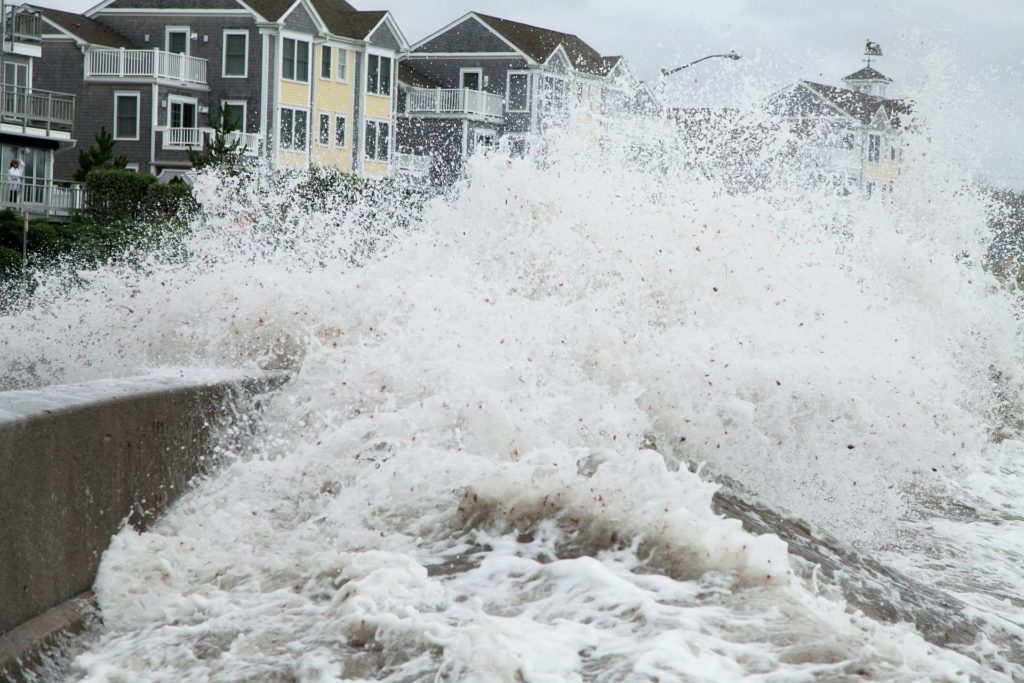
For the first time in 30 years, a hurricane is set to make landfall in coastal New England. Not since Hurricane Bob struck the region in 1991 have New Englanders been directly struck by a storm of this magnitude.
As of Friday afternoon, as Tropical Storm Henri crawled toward eastern New York, Massachusetts, and Rhode Island, its wind speeds were just a few miles per hour shy of the 74 mph that would qualify it as a hurricane.
Read the full article in National Geographic.
How the climate crisis could further destabilize North Korea
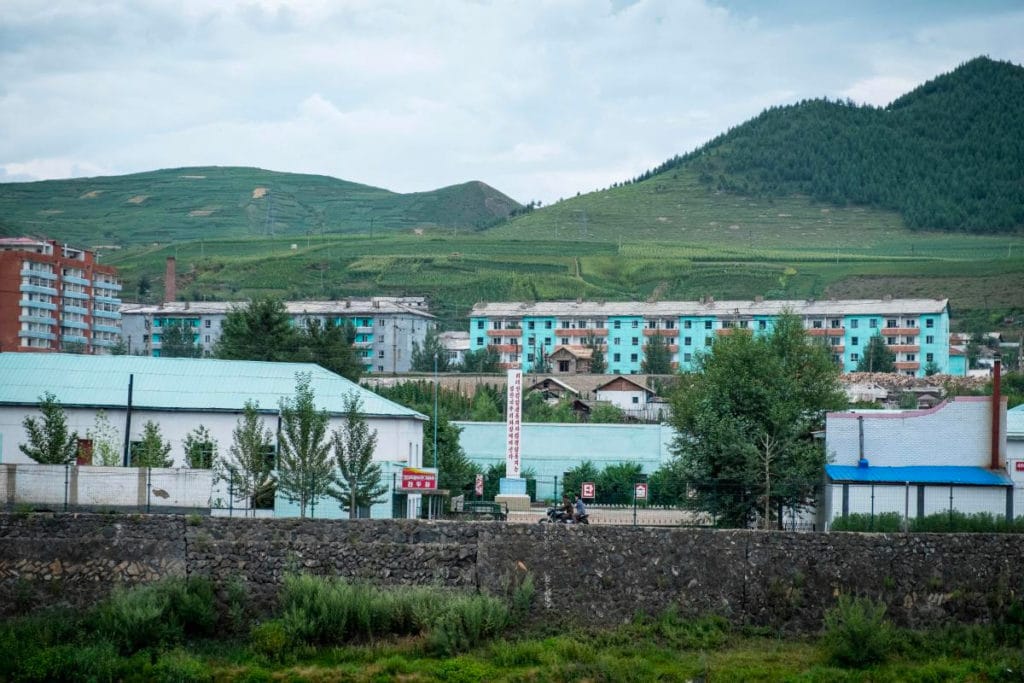
Last week, the UN released its sixth assessment of the causes and consequences of climate change, stating unequivocally that human activities are driving an unprecedented rate of warming that is impacting life in every part of the globe. From wildfires to floods, the impact of such events can extend far beyond the areas that are directly affected, and policymakers should not ignore politically volatile, nuclear-armed states, where the cascading effects of climate change can have dramatic consequences. One key example is North Korea.
A recent study by the Woodwell Climate Research Center and the Council on Strategic Risks shows that climate extremes like heat, drought, and flooding will constrain the nation’s already precarious ability to provide public goods for its population, compounding persistent security concerns and threatening to ignite intersecting crises on the Korean peninsula.
One primary issue of concern will be the effect of climate change on food security, which has been an issue for the country for years because of long-standing poor policy choices. At present, North Korea is facing a food crisis so severe that the government has been forced to release army rations. A perfect storm of back-to-back typhoons last fall, persistent drought this spring, an ongoing summer heatwave, and recent heavy rains have led to the current state of severe food insecurity, even prompting the Kim regime to issue a rare famine warning this spring.
Climate projections on agricultural yields indicate that rice and maize crop failures will become more likely along the Western coast (where the majority of these crops are currently grown) over the next decade. The overall effect is added stress on the food system.
Read the full opinion piece co-authored by Dr. Alex Naegele on Newsweek.