

Winter 2026: Fund for Climate Solutions awards five new grants
The funding supports community partnership, international policy engagement, and modeling winter weather patterns


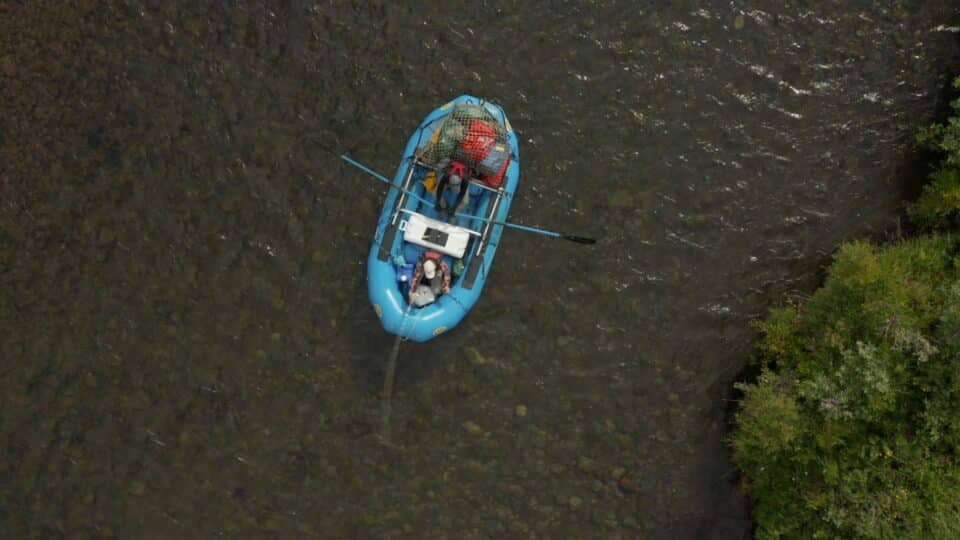
photo by John Land Le Coq
Thanks to the generosity of the Woodwell donor community, the first round of 2026 Fund for Climate Solutions (FCS) awardees has been announced. The FCS supports innovative, solutions-oriented climate science through a competitive, cross-disciplinary process. With more than $10 million raised to date, donor support has already fueled 84 research grants and leveraged millions of dollars in additional research grants since the program’s launch in 2018.
This most recent round of grants is supporting Woodwell experts working directly with communities to generate climate insights, bringing quality data on landscape carbon to international policy venues, and investigating links between climate change and winter weather.

photo by John Land Le Coq
Tracking water quality and empowering communities in the Amazon’s Arc of Deforestation
Lead: Allie Cunningham
The Kayapó people, Mẽbêngôkre (“People of the Water Hole”), are internationally recognized for their leadership in stewarding more than 9 million hectares of intact Amazon rainforest within a region known for rampant deforestation. This territorial defense is coordinated through the Kayapó Project (KP), an alliance of three Indigenous nongovernmental organizations which provides holistic governance and supports Kayapó communities with border patrols and community monitoring systems. Despite this extraordinary stewardship, a critical scientific gap persists, and KP has invited Science on the Fly and Woodwell Climate to help fill it. This FCS-supported project will establish a territory-wide, Indigenous-led scientific platform for water quality monitoring. Woodwell researchers and Kayapó community members will then use the baseline measurements taken to identify threats to the Xingu river ecosystem and Kayapó lands to understand other potential long-term, collaborative community science research.
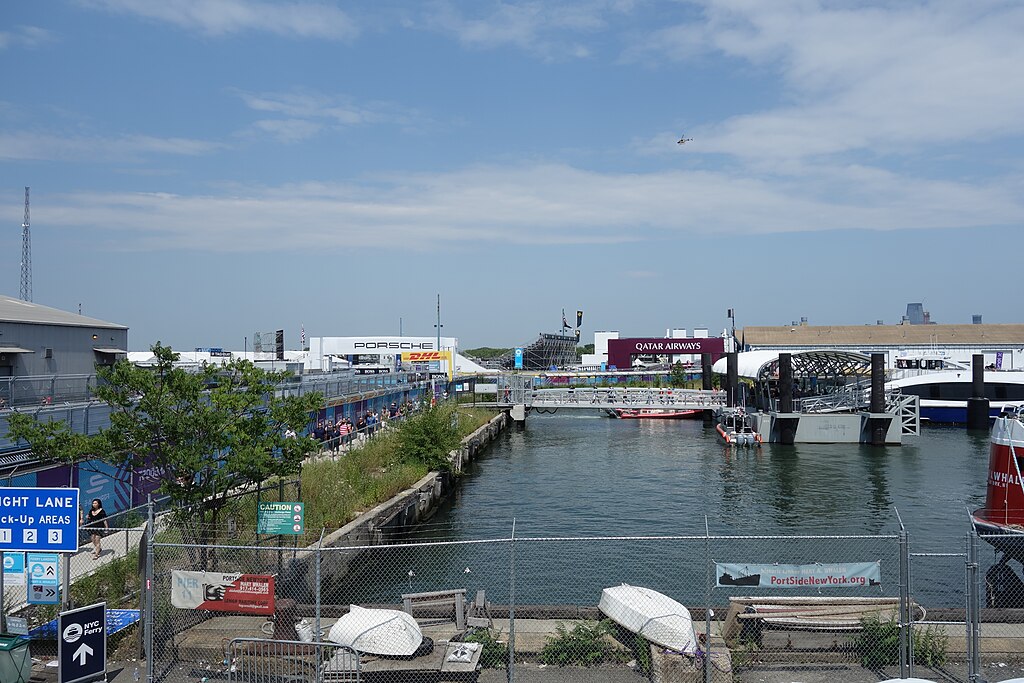
The Atlantic Basin, part of the Red Hook Neighborhood, during the 2018 NYC ePrix.
photo by Tdorante10, CC BY-SA 4.0, via Wikimedia Commons
Red Hook Climate Resilience Partnership: A collaborative initiative to strengthen community preparedness and adaptive capacity to climate risks
Lead: Dr. Nigel Golden
Climate change is making extreme weather events more intense across New York City, but some communities experience greater impacts than others. Red Hook, an area burdened by environmental, social, and economic inequities, was also one of the hardest-hit neighborhoods during Superstorm Sandy—floodwaters reached nearly every block. Despite state initiatives and city resilience plans, residents say their needs continue to be overlooked, and their voices go unheard. Through a partnership between Resilient Red Hook, Woodwell, and CUNY John Jay College of Criminal Justice, residents are leading the charge to change that. With community members as co-researchers, the team will assess climate risks at the neighborhood level and use the assessment to identify adaptation opportunities, with a focus on equity. With the partnerships, baseline data, and findings generated through this work, the team will be able to compete for larger, multi-year grants that can support real action on Red Hook’s terms. The project will also produce a research and engagement framework that other community-science partnerships can draw on.
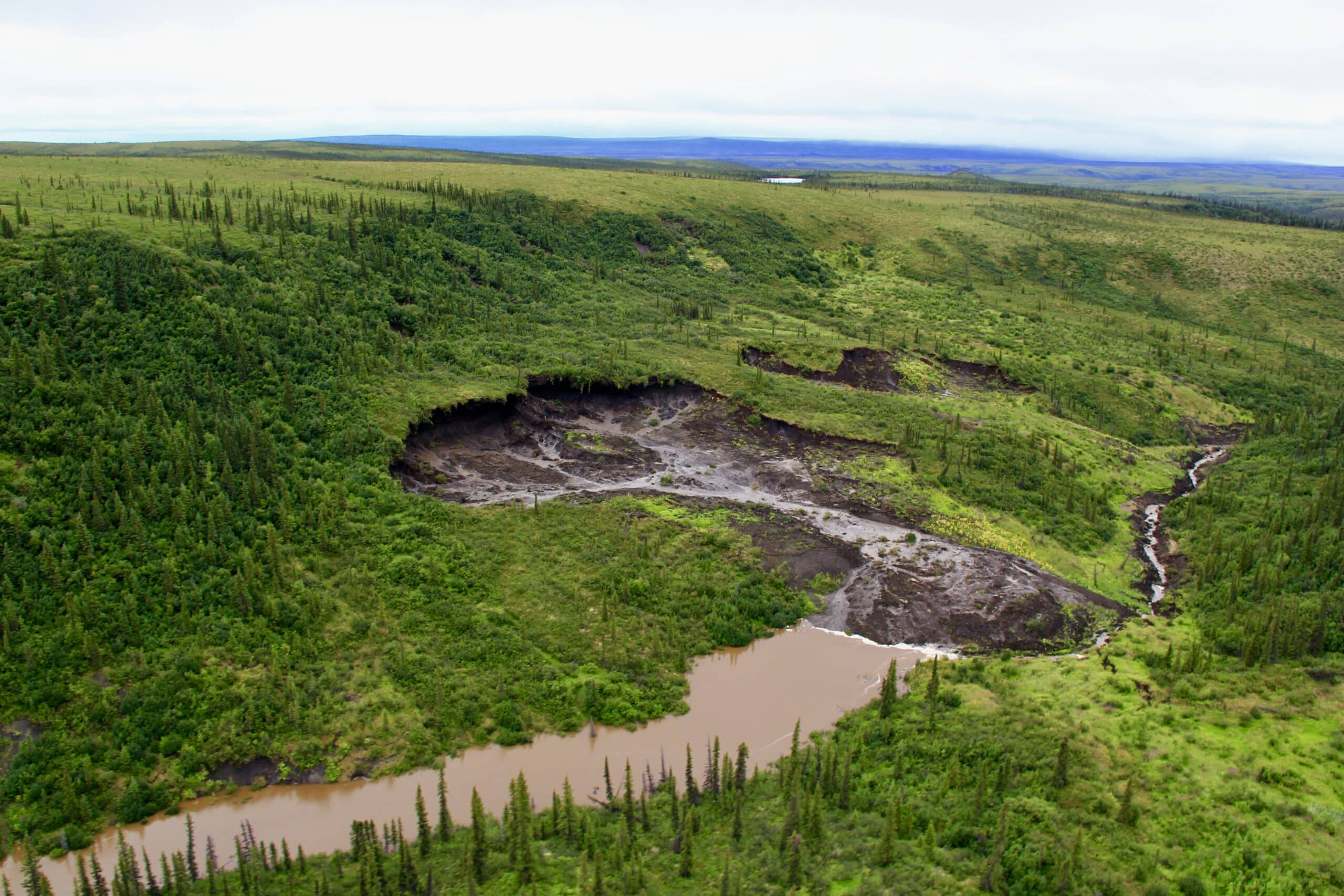
A retrogressive thaw slump, caused by permafrost thaw, abruptly releases large amounts of carbon to the atmosphere.
photo by Scott Zolkos
From Arctic greenhouse gas budgets to policy: An opportunity to translate science to action
Lead: Dr. Bethany Sutherland
The United Nations Framework Convention on Climate Change (UNFCCC) has a well-recognized issue: its carbon accounting focuses on emissions and uptake due to human activity, without adequately considering natural lands. The Arctic region, which stores vast amounts of carbon, is a critical part of this accountability gap—many regions in the Arctic are already shifting to become net carbon emitters and emissions are projected to continue to rise. Previous Woodwell research has generated carbon budgets for the Arctic by evaluating modeled emissions against observations. With this FCS funding, the project team will amplify those findings and bring Arctic carbon budgets to international policy venues, including the Global Carbon Project and the UN’s Global Greenhouse Gas Watch. The grant will support travel to visit partner institutions and conferences, as well as a workshop hosted at Woodwell. In-person collaboration will strengthen the team’s connections with the global carbon accounting and reporting efforts that inform UN decision making.
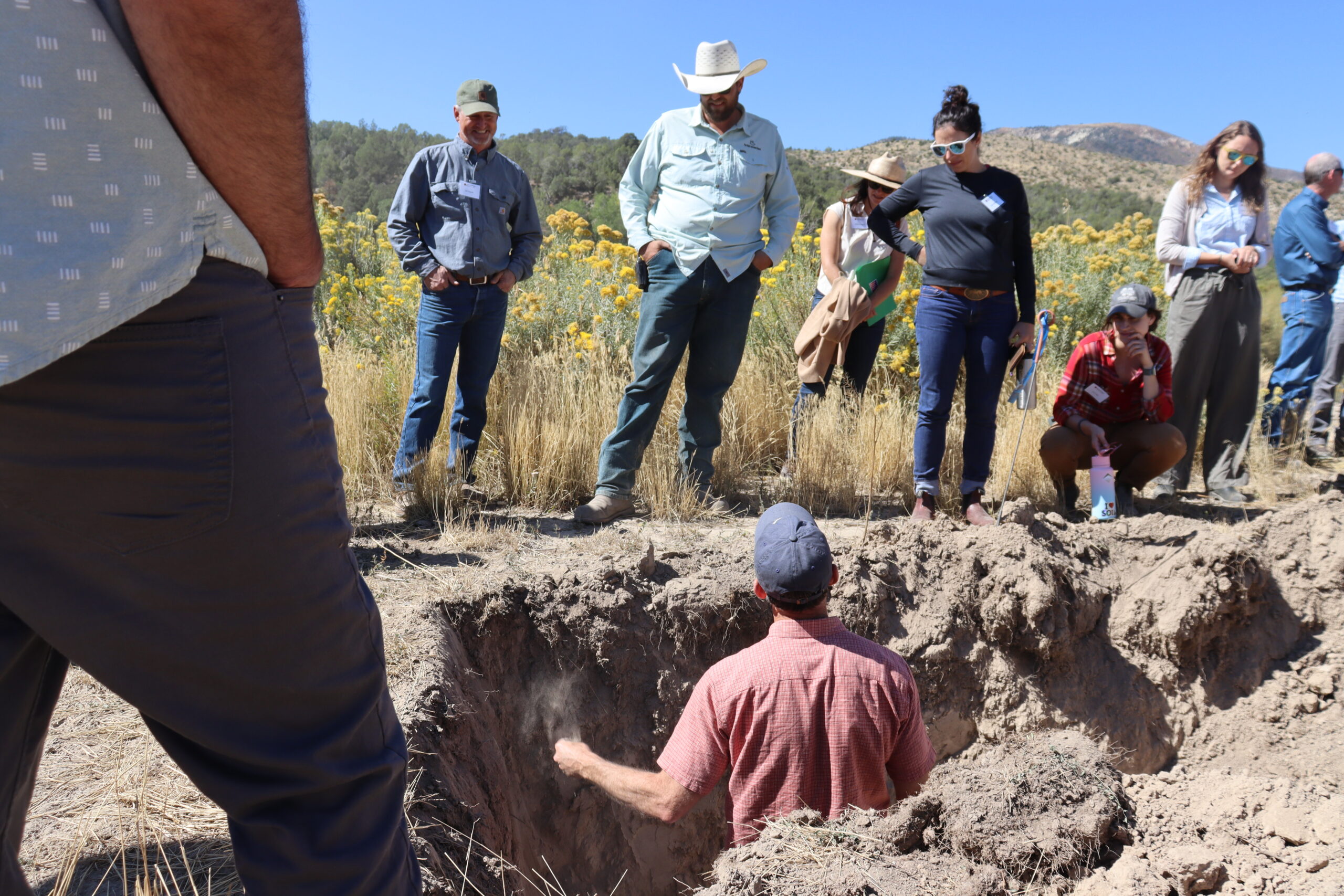
Dr. Jonathan Sanderman talks to land managers at a rangeland carbon workshop hosted by Woodwell.
photo by Andrew Mullen
Assessing the carbon cycle health and risk of global rangelands systems
Lead: Dr. Jennifer Watts
Rangelands’ soils and plants store large amounts of carbon, and millions of people directly depend on the goods and services these lands provide for well-being and survival. Rangeland ecosystems are also threatened by warming temperatures and land degradation, for example through overgrazing. However, the impacts of these changes on rangeland carbon is poorly understood, and science-informed data hasn’t been available to guide decision makers. The project team will model where rangelands are releasing or storing carbon, and where those lands are at heightened risk from future climate change impacts. This work will produce actionable insights for land management and policymaking at local, regional, and global scales. The team will also present their results at an official side event of the UN Convention to Combat Desertification, representing Woodwell at the conference for the first time.
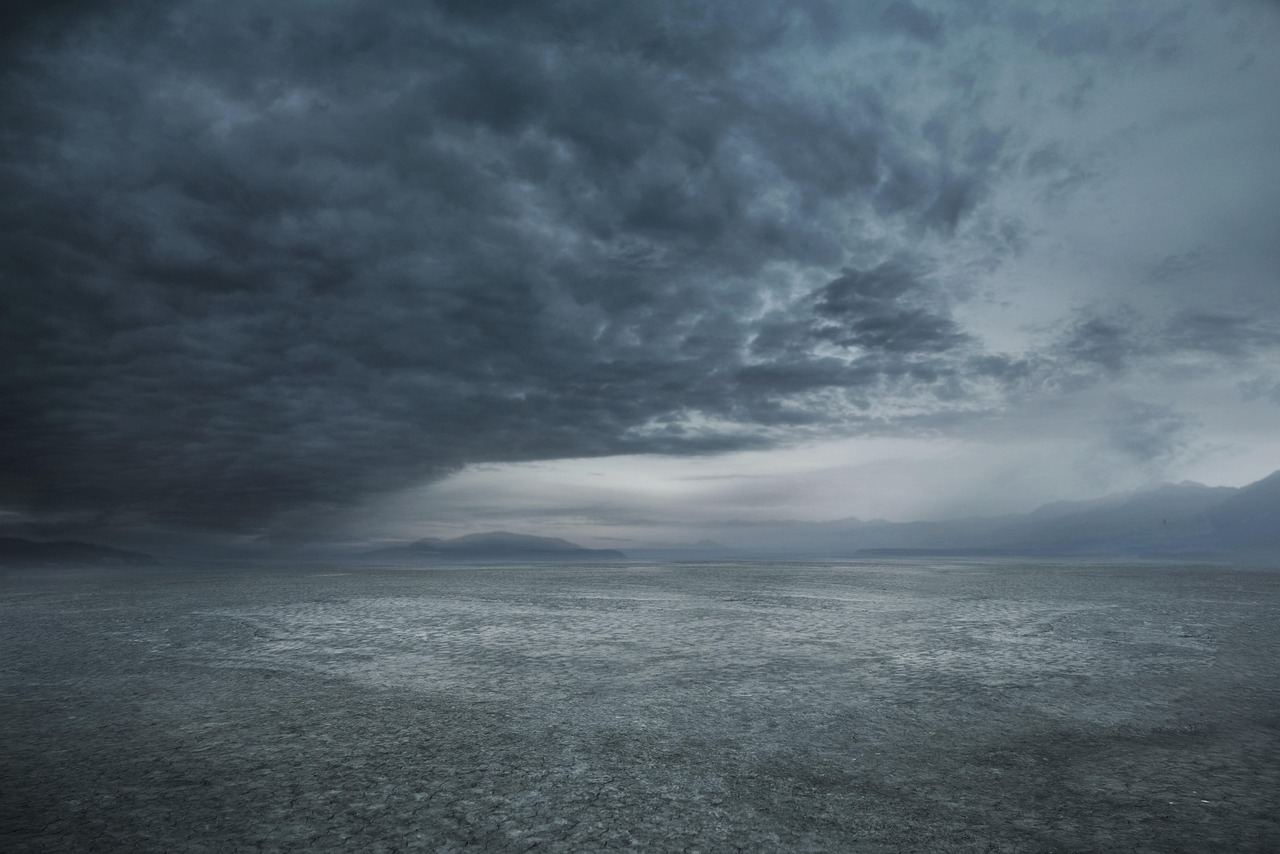
Hot blobs, cold blobs, and crazy weather: How are greenhouse gas-fueled SST anomalies affecting Northern Hemisphere weather patterns?
Lead: Dr. Jennifer Francis
Climate change is causing shifts in regional ocean temperatures—both heating and cooling—as the water absorbs extra heat trapped by greenhouse gases while accelerated melting of the Greenland Ice Sheet adds buoyant fresh water to the North Atlantic. When differences in temperature between ocean regions change, wind patterns shift, affecting the jet stream and weather. This project will use artificial intelligence to compare patterns in sea surface temperature and winter weather regimes over North America as well as the North Atlantic and Pacific Oceans. Recognizing and understanding how changing ocean temperatures are affecting weather patterns will improve seasonal weather forecasting and help decision-makers prepare for increasingly extreme weather conditions.