

Submitted comment on Bureau of Land Management implementing procedures


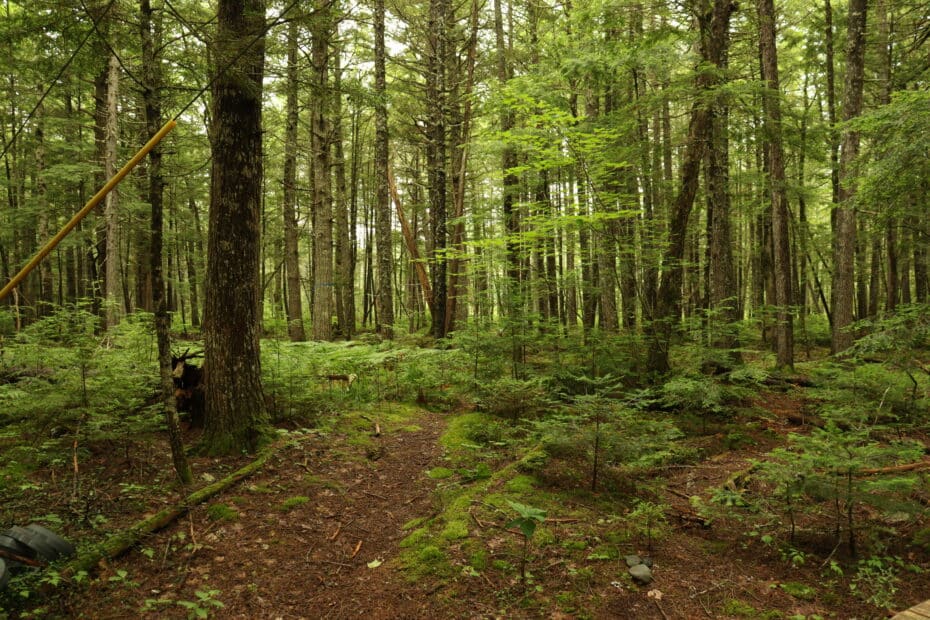
Since the 1970s, categorical exclusions (CEs) within the National Environmental Policy Act have applied only to activities that have been consistently and scientifically reported to not have a significant effect on the environment. The thinning of forest and woodland density of areas up to 5,000 acres, a significant increase from the current 70 acre limit, would undoubtedly have a significant impact on the environment, as demonstrated by the large repertoire of scientific research highlighting the critical role of forests in storing atmospheric carbon. Furthermore, the forest ecosystem has become increasingly vulnerable to wildfire due to human activity and climate change. Wildfires present extreme threats to human health, with over 15,000 deaths being attributed to wildfire particulate matter over the last 15 years. Even without any major escalation in the deterioration of our forests, the scale and impact of wildfire smoke on human health is projected to increase.
Altered fire regimes based on the principles of wildfire suppression, which this proposed revision uses in its justification, do not recognize the natural benefit of fire and have been shown to exacerbate fire-associated emissions. With such a critical issue at hand, the consultation of scientists and local communities is imperative, which is not reflected in this proposal. Thus, Woodwell strongly opposes the broadening of this CE for the Bureau of Land Management.
Scientific objection to the categorical exclusion for forest and woodland density management
The proposed revision of this CE is based on the strategy of mechanical thinning. However, there is little to no scientific evidence concluding that the act of mechanical thinning alone universally lessens the risk of wildfire, as integrated fire management strategies are extremely dependent on the context of the ecosystem in which it is deployed. Woodwell research has found that without tailoring the wildfire strategies to their specific environment and pairing it with other more traditional wildfire management methods, these actions may have adverse consequences.
Under conditions of increased temperatures, which would be further amplified by increased carbon emissions driven by deforestation, burned area is expected to increase. With the incredible danger that wildfires pose to human safety, any actions that may degrade natural ecosystems and amplify wildfire impacts must be coupled with extensive environmental review, not the absence of such. By foregoing environmental review through the expansion of this CE, the Federal government is inviting the potential to further endanger our forest ecosystems and the lives of Americans.
The critical role of forests in carbon sequestration
The proposed rule fails to recognize the integral role that forests play in carbon sequestration. BLM forests contain about 8 million acres of old growth and 13 million acres of mature forest–about 2/3 of the total area of BLM forest. Mature and old-growth forests, with their much older and larger trees, hold more carbon. Mature and old-growth forests are also more resilient and adaptive in the face of disturbances such as wildfires, which makes them a high priority for environmental protection. It is hard to imagine that these carbon-dense ecosystems would be excluded from logging under the proposed CE.
Woodwell researchers have also found that even beyond the cooling effects of sequestered carbon, forests provide biophysical cooling effects on a local and global scale. This unique quality promotes local climate stability, reducing extreme temperatures year-round.
Since 2001, forest fire carbon emissions have increased by 60%. It is projected that by mid-century, wildfires in the northern region of North America would alone contribute to a cumulative net source of nearly 12 gigatonnes of carbon dioxide emissions into our atmosphere, further exacerbating temperatures and subsequent wildfire ignitions.
Impacts on climate resilience and risk mitigation
While the proposal argues that expanding forest thinning will reduce wildfires, scientific research has frequently called on officials to implement natural climate solutions to increase ecosystem resilience and limit climatic threats such as wildfire.
Fire is a natural and integrally important process in the life cycle of our forest ecosystems. Woodwell scientists study and promote traditional methods of fire management of local and indigenous peoples who recognize the environmental benefits of fire via prescribed burns. Trained professionals can employ these tactics of prescribed or controlled burns to reduce the buildup of natural fuels, benefiting plants and wildlife by recycling the carbon back to the earth.
Conversely, we have found that more modern fire suppression tactics have led to oversuppression, contributing to the buildup of dry fuel on the forest floor. Combined with the ever-warming temperatures destabilizing atmospheric conditions, increasingly frequent lightning strikes ignite these more flammable forests. Without regular fires to periodically clear out this fuel, the land has become more vulnerable to intense and widespread fires. Woodwell is especially concerned with the proposed expansion of the CE of forest and woodland density as it relies on the tactic of mechanical thinning and strives for wildfire suppression, thus risking increased rates of wildfire. In order to properly manage fires in a way that creates a healthier and safer environment, fire management must utilize fire itself.
The proposed revision’s emphasis on mechanical thinning and logging also raises concerns regarding human impact. Anthropogenic influences such as population density, a human footprint index, and roadless volume all have significant statistical correlations to fire occurrence. Previous actions, such as the rescission of the 2001 Roadless Rule, have already demonstrated the harm that logging and other commercial activities pose to forests. Recent research has shown that roads increase the likelihood of wildfire ignitions because human activities are the most common cause of wildfire; once an area becomes accessible, the probability of wildfire increases. The massive expansion from 70 acres to 5,000 acres eligible for the CE of forest and woodland density would only incite more logging activities and the acceleration of associated fire occurrence.
Lastly, this announcement fails to elaborate on the “additional tool” which it claims will assist decision-makers in planning areas to implement fuel treatments. Without a demonstrated and sound scientific basis for this tool, the likelihood that project decisions will reflect consideration of forest values beyond timber production is cast into doubt.
Conclusion
The proposed expansion of the Categorical Exclusion rejects scientific evidence and prioritizes logging activities over the safety of American citizens. Woodwell urges the Department of the Interior to:
- Integrate the implementation of prescribed or controlled burns to lessen excess vegetation in wildfire mitigation, as opposed to suppressing fires and building flammable materials.
- Engage and consult with local communities to create collaborative and tailored fire management strategies based on the particular ecosystem in which they will be deployed.
- Provide details about the “additional tool” that will assist in designating fuel treatment areas, specifically its scientific basis and values.
- Evaluate each project for the impact of estimated carbon emissions on the broader environment.
- Maintain the CE of 70 acres for tree and woodland density so as to minimize forest disturbances and build ecosystem resilience to wildfire at minimum. Ideally, perform environmental assessments under NEPA for all projects regardless of size.
Woodwell Climate Research Center urges the Council on Environmental Quality to reconsider aspects of this Categorical Exclusion to ensure that the pursuit of efficiency does not compromise the scientific rigor and comprehensive scope necessary for effective environmental review under NEPA. Accelerating logging activities and forest deterioration via inappropriate thinning will only amplify the wildfire risk that this proposal claims to address. It is imperative that the Bureau of Land Management’s NEPA implementing procedures facilitate, rather than hinder, the full consideration of environmental impacts, cumulative effects, and health of our citizens.