- Feature


As the planet warms, drought is an increasing threat in many regions. Research led by Woodwell Research Assistant Isabelle Runde, modeled the frequency of drought across the globe, analyzing drought changes in forest, food, and energy systems as temperatures surpass 2, 3, and 4 degrees Celsius.
Models show that unlike in a stable climate, unreliable water resources and increasing temperatures make drought more likely in many places. For every increase of 0.5 degrees C, an additional 619 million people could become exposed to extreme drought 1 in every 4 years. This is in addition to the 1.7 billion people (nearly a quarter of today’s global population) who are already exposed to these conditions in a world that has warmed by a little more than 1 degree C.
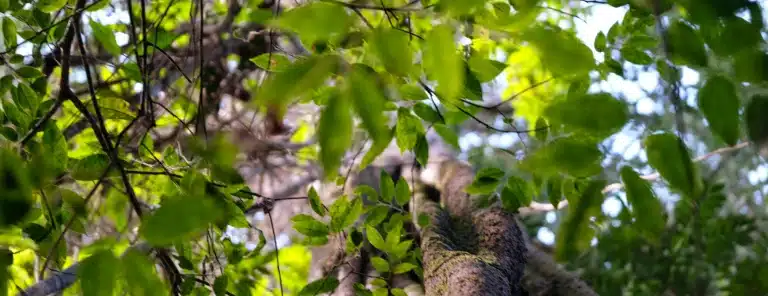
Tropical forests are one of the planet’s key natural climate solutions— able to prevent 1 degree of warming through both carbon sequestration and regional cooling effects. Deforestation, fragmentation and degradation from things like fire, and disease threaten to turn these forests from a vital sink to a source of emissions.
In recent years, the Amazon has been a net carbon source due to increased extreme drought and deforestation, leaving the Congo rainforest as the world’s last remaining stable tropical forest carbon sink.
As warming surpasses 2 degrees, the annual likelihood of drought in the Congo rainforest begins increasing faster than in the Amazon. Drought can make a forest more susceptible to further degradation, such as fire or disease, and reduces carbon sink capacity by stressing or killing trees and placing the ecosystem under stress.
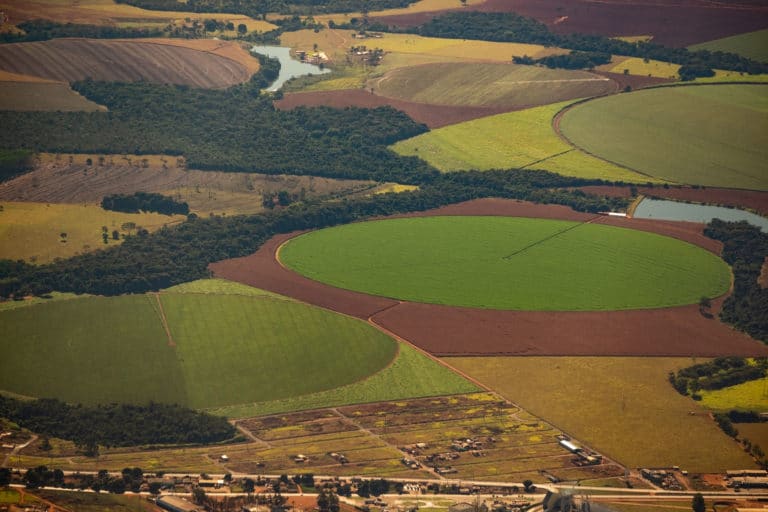
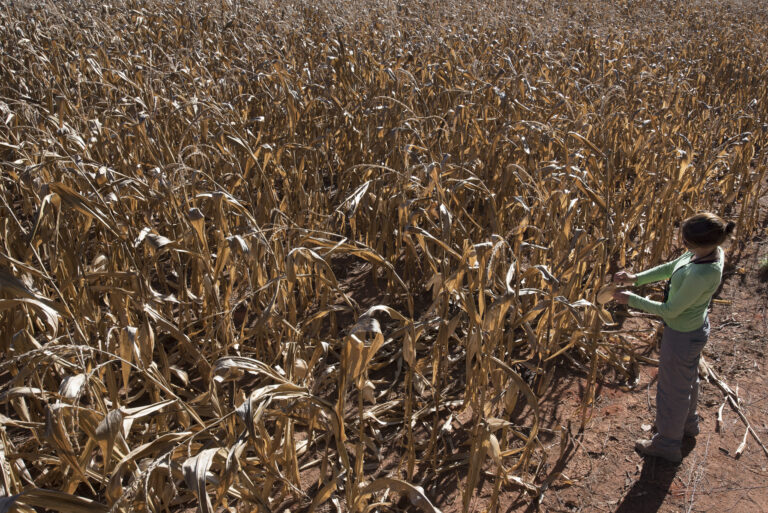
Global crop production is highly concentrated in key breadbasket regions— nearly 72% of the world’s maize, wheat, rice, and soy are produced in just 5 countries. Extreme drought can reduce the productivity levels of these staple crops, among others, potentially triggering widespread food insecurity, hunger and economic disruption.
By 2 degrees of warming, the probability of drought in the breadbasket regions of both China and the United States will be greater than 50% — meaning an extreme drought roughly every other year.
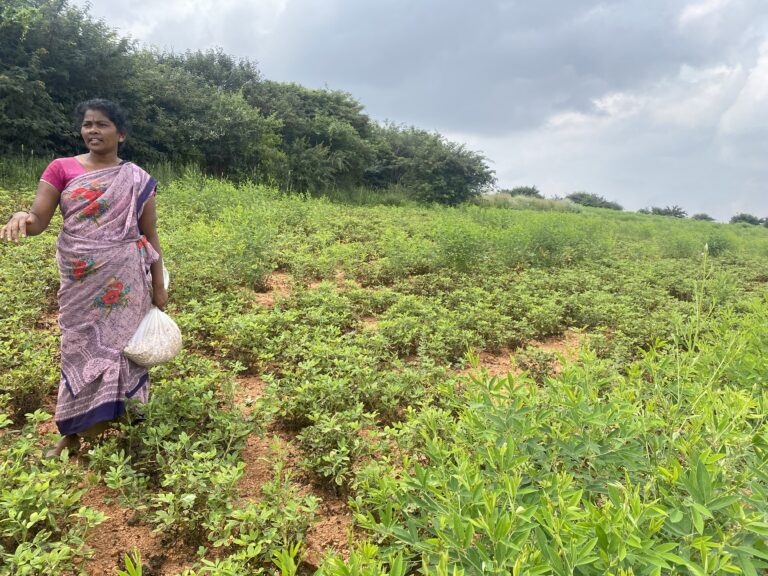
Disruption will be much higher in countries where jobs in agriculture comprise a large segment of the economy. In Mexico, one of the world’s top 10 producers of maize, 12% of the workforce is in agriculture and at 1 degree, the country already has among the greatest areas of cropland exposed to drought. 90% probabilities—indicating near-annual drought—begin to emerge in some parts of the country at 2 degrees of warming.This kind of recurrent extreme drought will stress water resources for agriculture.
The Mediterranean also is a drought hotspot. Drought probability in Mediterranean croplands will increase rapidly between 2 and 3 degrees of warming, rising from just 10% to over 50% of cropland affected by drought in 3 out of 4 years.
Hydroelectricity supplies a sixth of global energy demand, and is a low-cost, low-emission alternative to fossil fuels. The overwhelming majority of new hydropower plants since 1990 have been constructed in fast-growing, developing nations.
High dependence on hydropower makes countries like Brazil and China vulnerable to energy disruption during periods of drought. Brazil draws nearly two thirds of its energy from hydroelectric resources. During a three year drought between 2012 and 2015 in Brazil, hydroelectric generation declined by 20% each year. If warming exceeds 3 degrees C, more than half of Brazil’s hydroelectric capacity will experience a likelihood of annual drought greater than 50%.
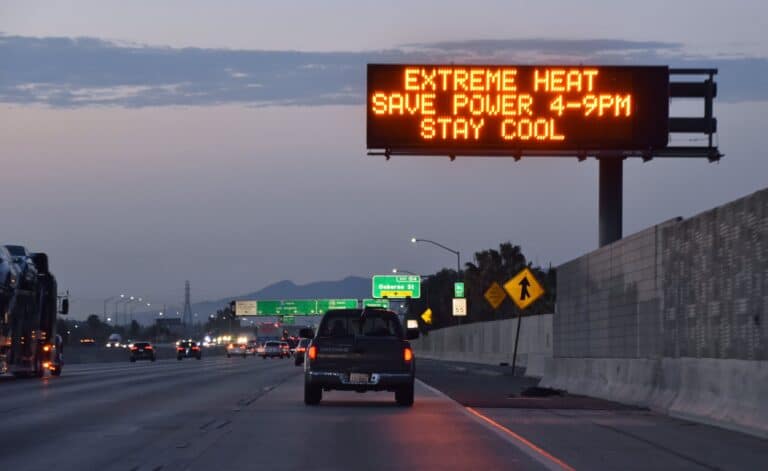
Extreme drought can also be counterproductive to reducing carbon emissions. During years of drought, expensive fossil fuel based energy is often brought in to fill demands. In addition, droughts often coincide with extreme heat events, when electricity demand peaks to run air conditioners. Beyond 3 degrees of warming, more than a third of the planet’s hydroelectric capacity will likely be exposed to extreme drought every other year.
Current international climate goals aim to limit warming to between 1.5 and 2 degrees C, but without urgent intervention, we are on track to push past that limit to at least 2.5 degrees C. Projections past 2 degrees of warming show a future where extreme drought is common, exposing already-vulnerable people, places, and economies to greater water shortages, while making it even harder to curb emissions. In order to guard water resources and the systems that depend on them, emissions need to be cut rapidly. And places already feeling the impacts of warming will need to brace to adapt to a hotter, dryer version of the world.