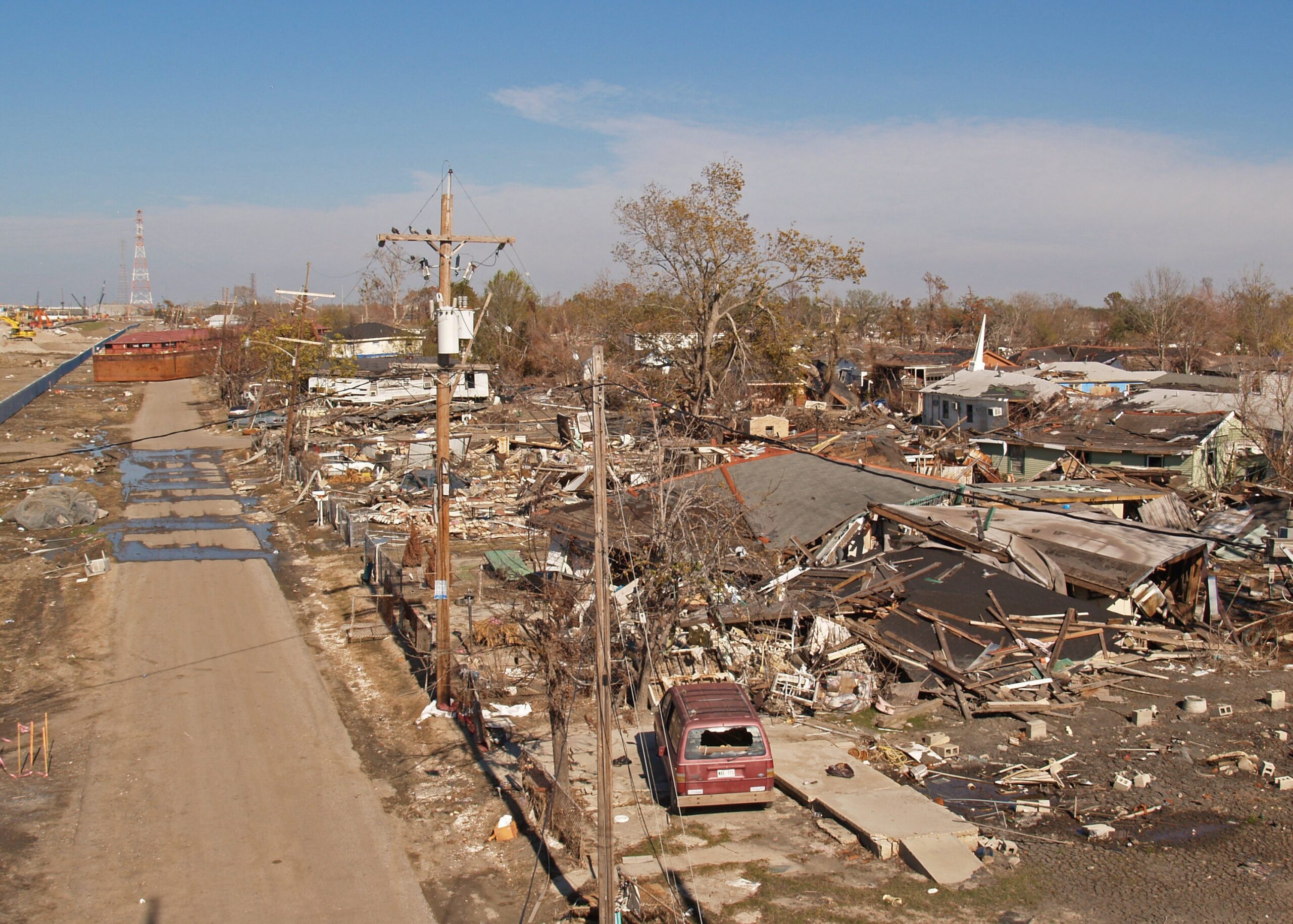

Climate change is something you can see and feel.

Woodwell studies how a changing climate affects communities around the world, how those changes are connected, and what we can do to adapt.

IMPACTS

Behind every data point is a person living with the consequences. Woodwell scientists study where climate risks are growing, who is most vulnerable, and how those risks are connected. Then we take that knowledge and work with communities, businesses and policymakers to help them adapt to the changes already here and become more resilient to those that lie ahead.

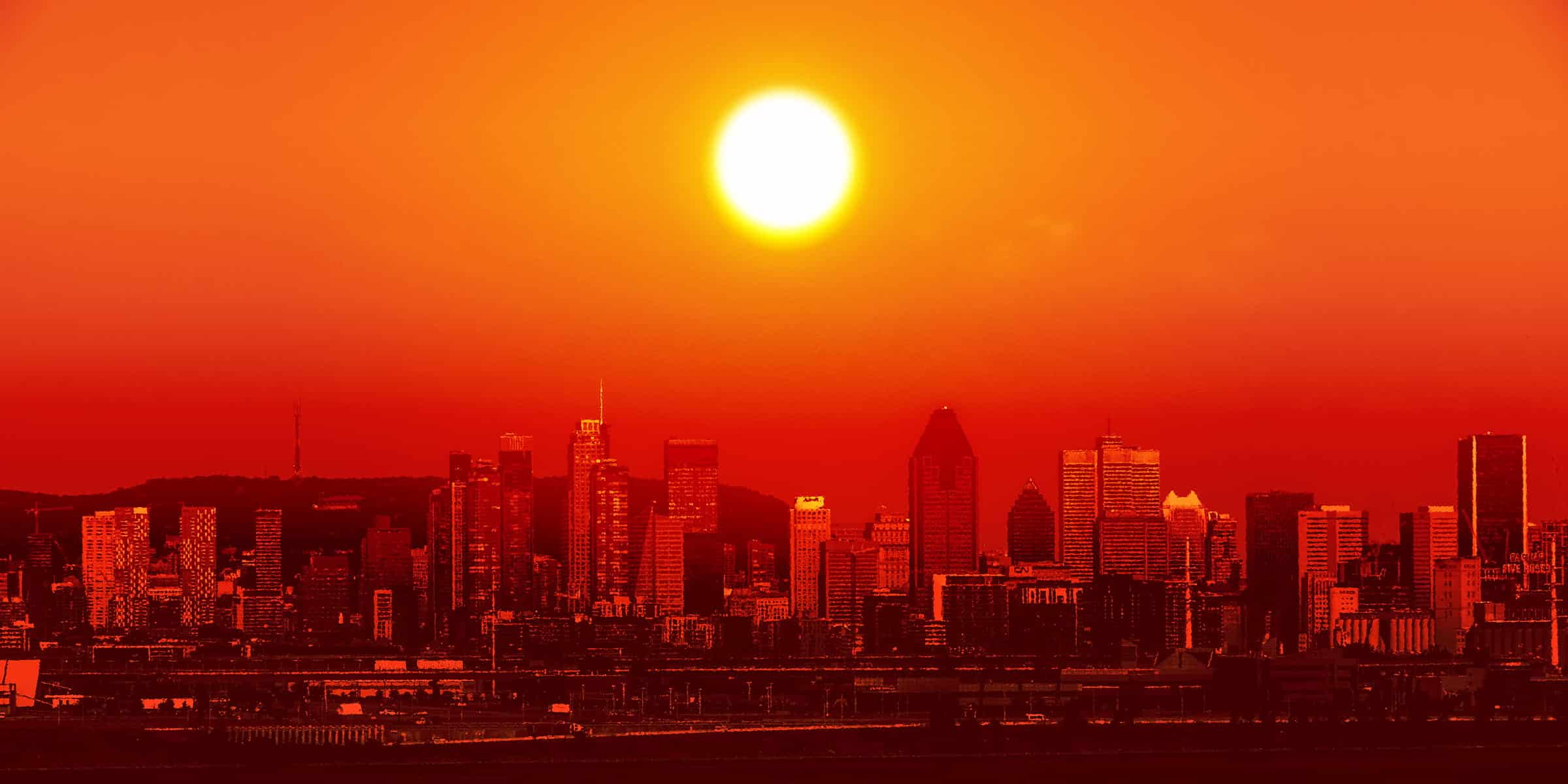
Conceptual image of a city hit by extreme heatwave by Marc Bruxelle.

Extreme Heat

Extreme heat is the world's deadliest weather-related hazard. The consequences of rising temperatures extend beyond our health, affecting our ability to work, grow food, and keep essential services running. Woodwell models where extreme heat is intensifying and how risks are changing, helping communities understand what lies ahead and prepare.

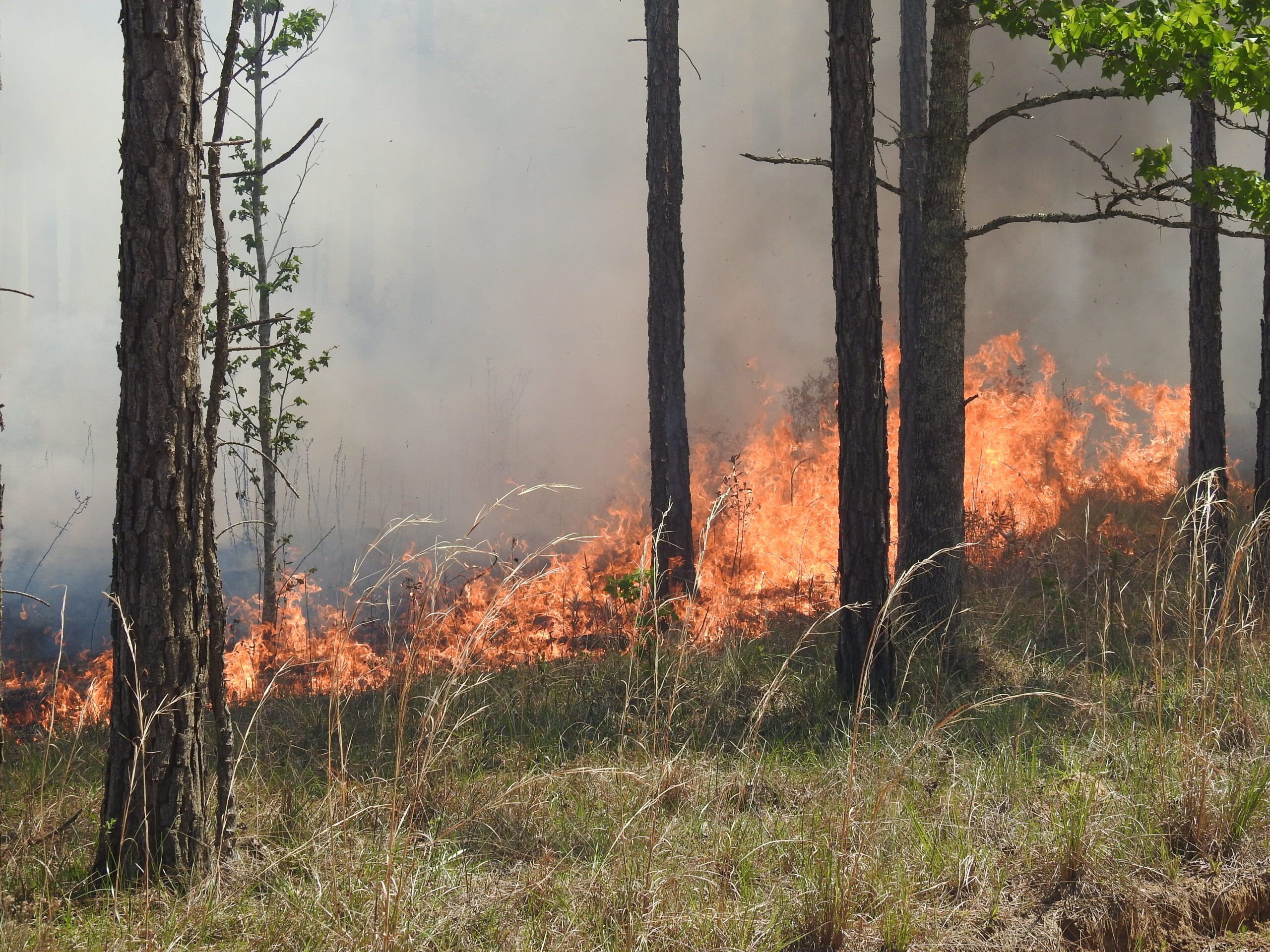
Fire in interior alaska black spruce forest

photo by Eric Miller

Wildfires

Wildfires can transform landscapes in hours, with long-lasting consequences for human health, livelihoods, forests, water supplies, and the climate. While fire is essential to many ecosystems, climate change is intensifying the conditions that lead to destructive wildfires. Woodwell investigates how wildfire patterns are changing, what drives those changes, and how they affect ecosystems and carbon emissions, providing science to inform better fire and land management.

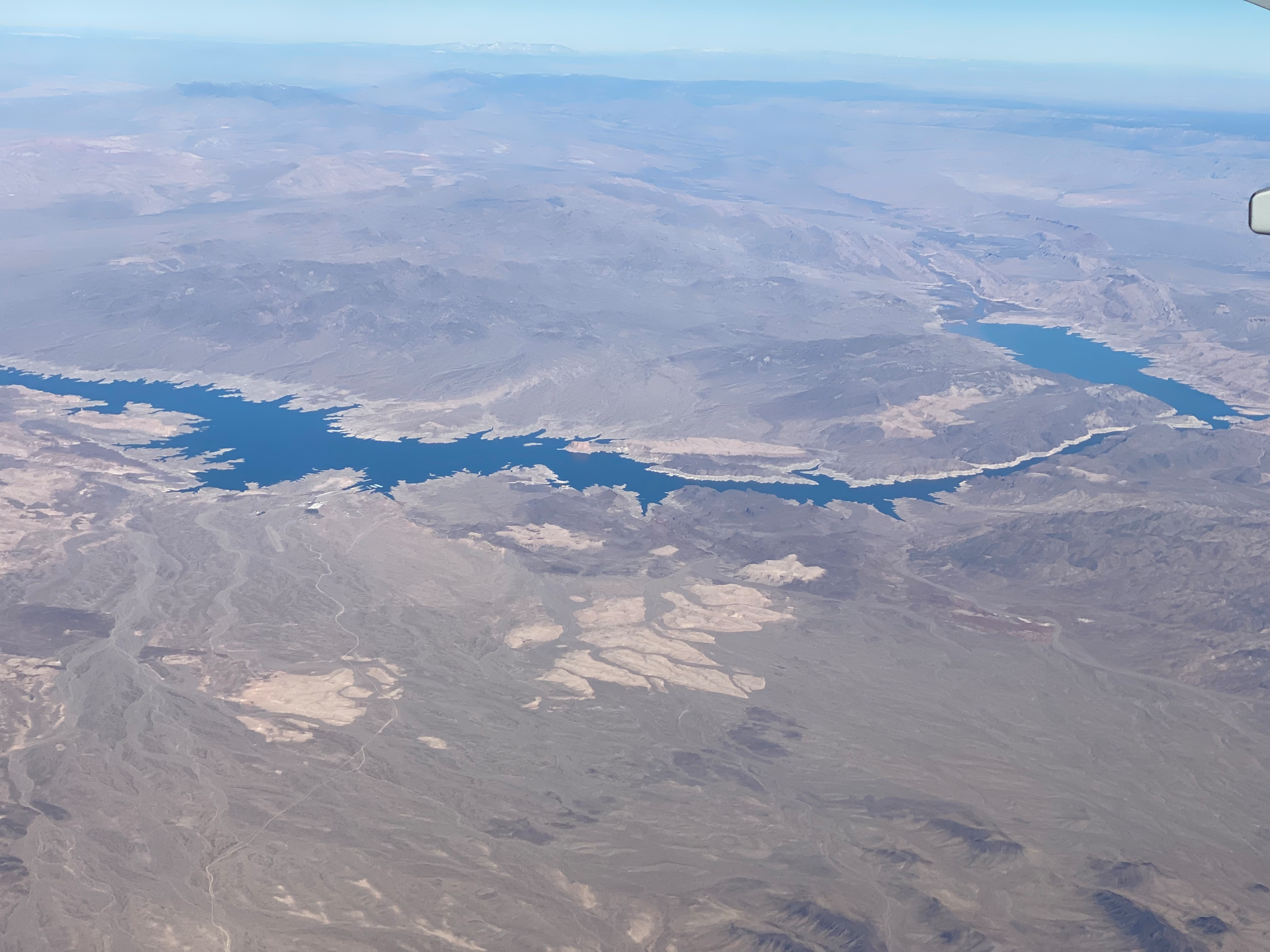
Lake Mead, Colorado River Basin

photo by Monica Capraras

Drought & Water Scarcity

When water is scarce, the consequences reach far beyond the tap, affecting food production, livelihoods, communities, and ecosystems. Woodwell studies where drought and water scarcity pose the greatest risks, what drives them, and how those risks are changing, providing science to help communities and decision-makers prepare.

a yellow sign indicating a stoplight is partially submerged in floodwaters

Flooding & Sea Level Rise

Floods can damage homes, cut off roads, and disrupt essential services. Rising seas are making coastal flooding more frequent, while heavier rainfall can also overwhelm rivers and drainage systems farther inland. Woodwell maps and models how flood risks are changing, helping communities understand where they are most vulnerable and how they can prepare.

photo by Alli Dickey

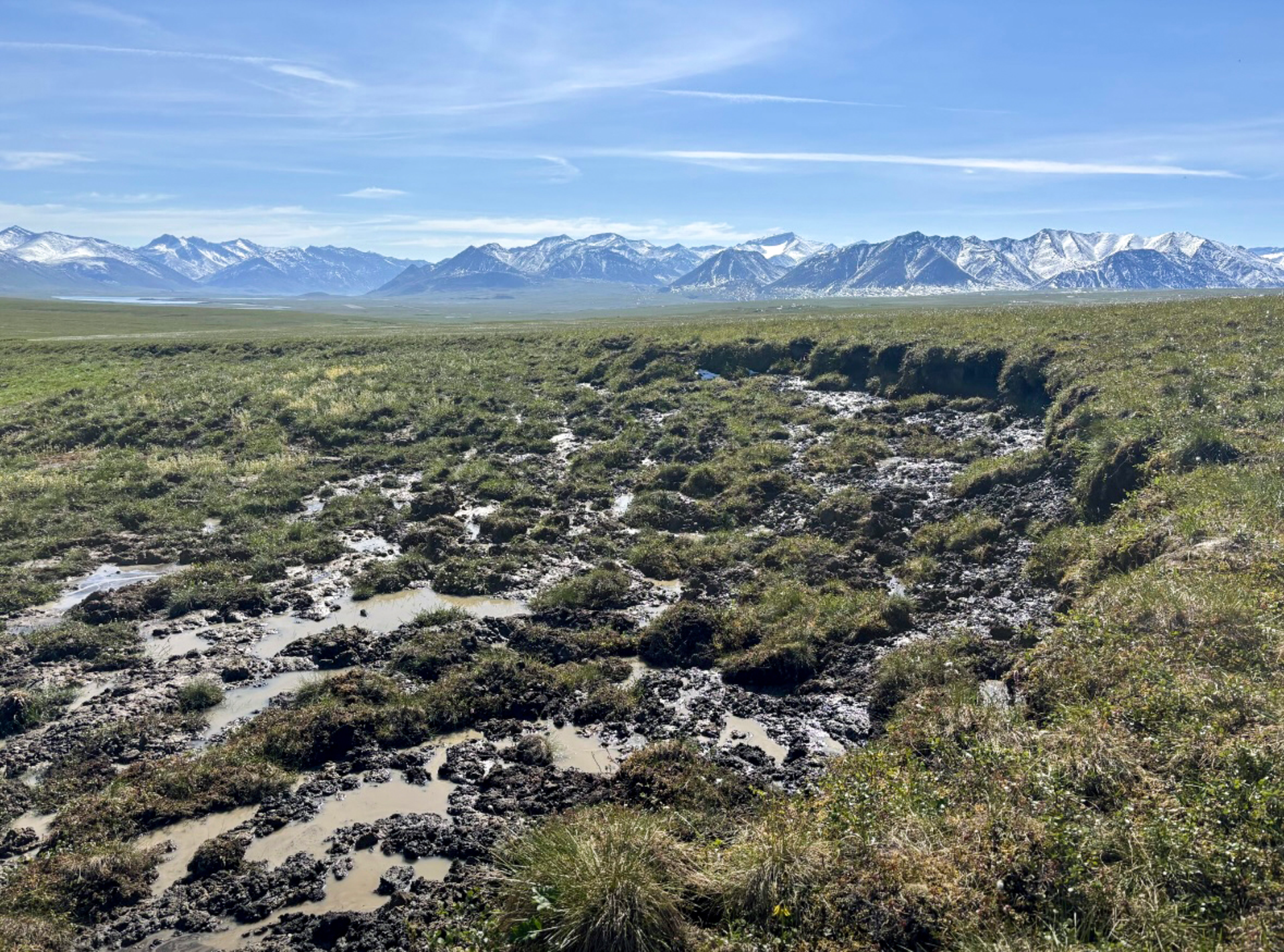
Permafrost Thaw

The Arctic is warming nearly four times faster than the global average, thawing long-frozen ground known as permafrost. As the ground sinks or collapses, homes, infrastructure, and ecosystems are at risk. Thaw also releases greenhouse gases that contribute to further warming. Woodwell studies these changes, informing climate policy and helping northern and Indigenous communities prepare and adapt.

Chris Linder

photo by Chris Linder

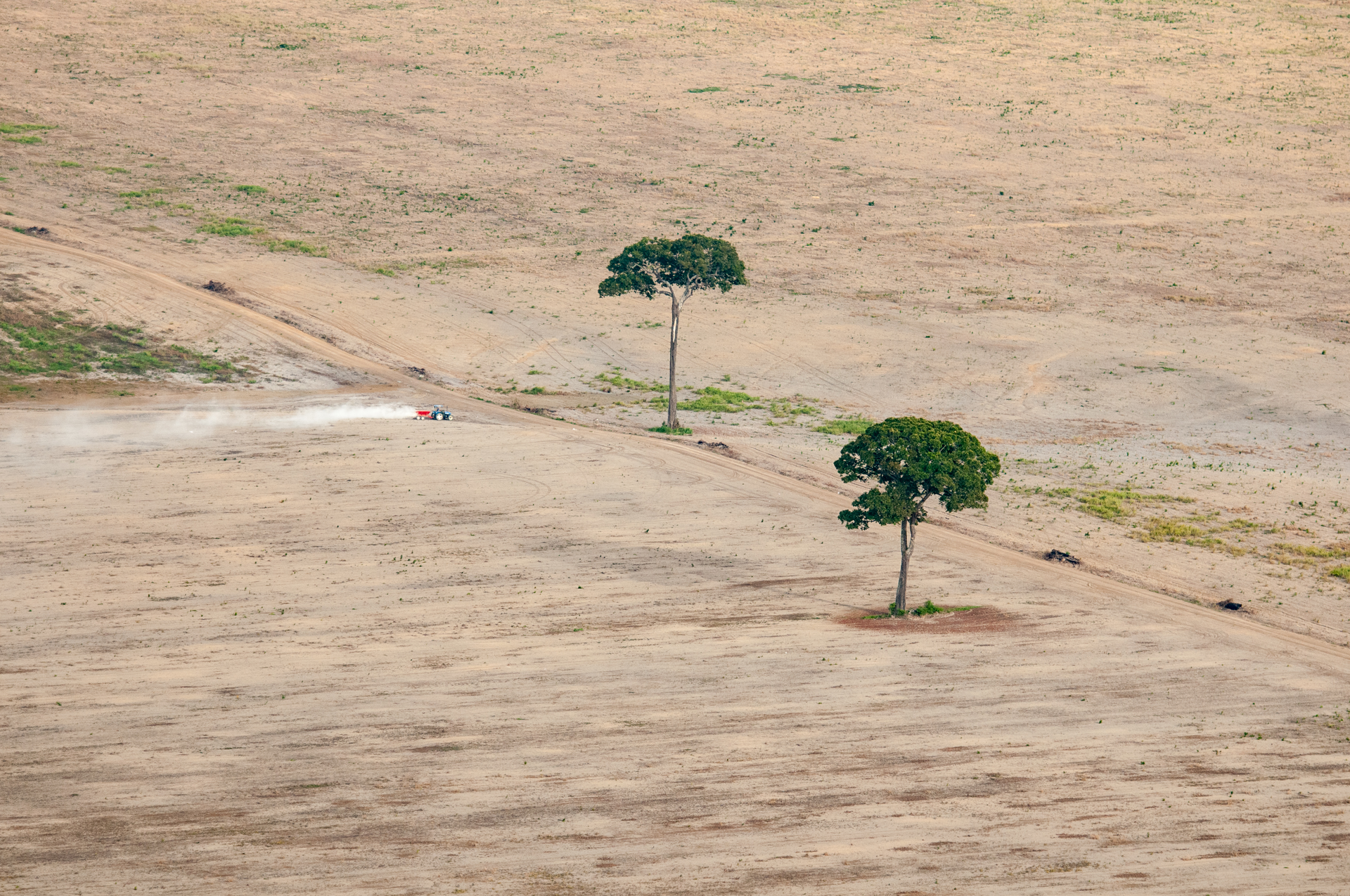
Crop Loss & Food Insecurity

Producing food depends on getting the right conditions at the right time. Extreme heat, drought, and shifting rainfall can reduce harvests, harm livestock, threaten livelihoods, and put food supplies at risk. Woodwell studies the connections between agriculture and climate, informing efforts to protect the forests and fields that are essential to both food security and climate stability.

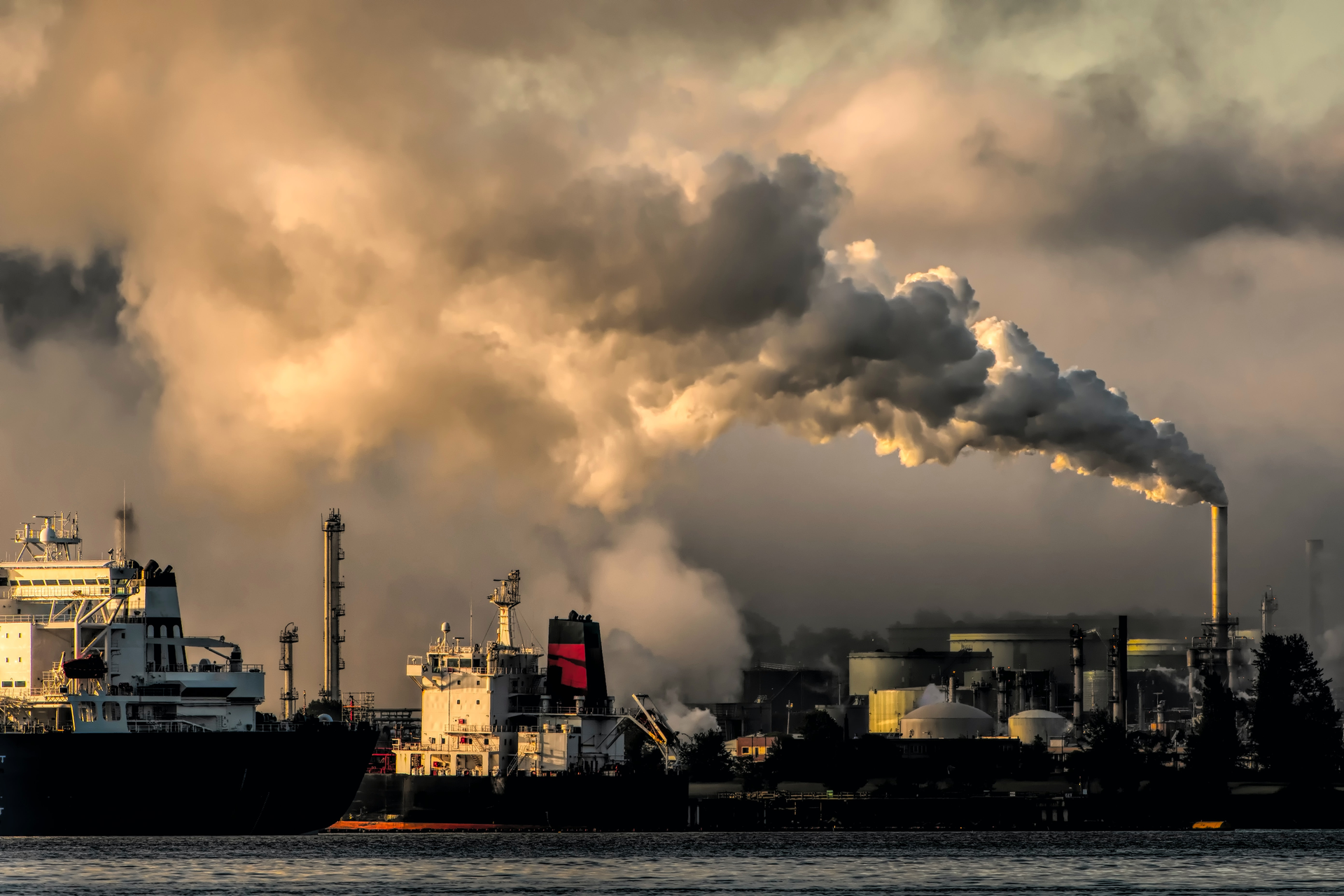
Photo by Unsplash / Chris LeBoutillier

Air & Water Pollution

Pollution doesn't stay where it starts. Wildfire smoke travels far, while runoff carries pollutants into rivers and lakes. Climate change can worsen these risks through wildfires, heavy rainfall, and warming waters. Woodwell studies how climate, land use, air, and water interact to understand threats to human health and ecosystems, and inform solutions.

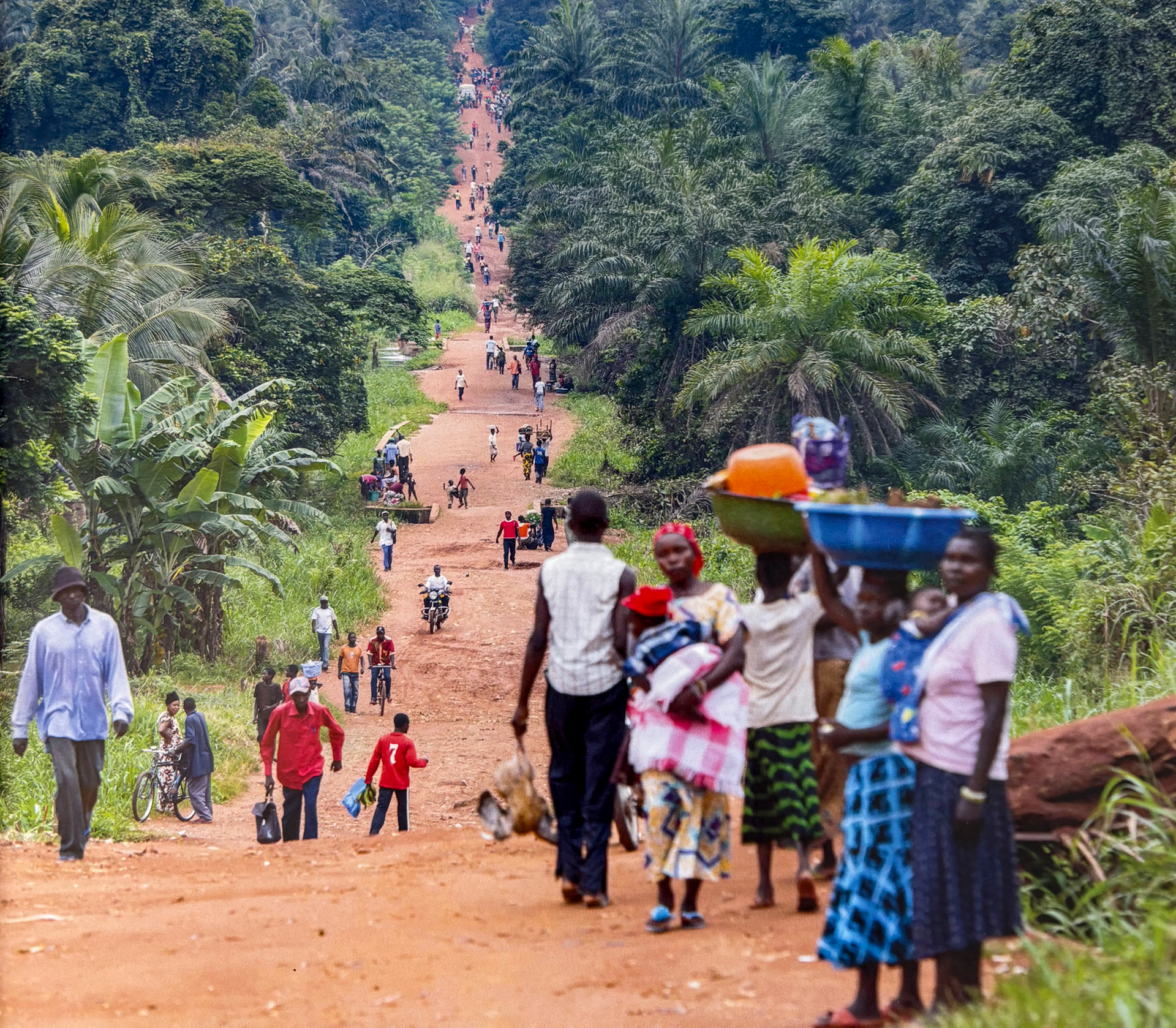
photo by Woodwell Archives

Migration & Resource Scarcity

Floods, storms, and wildfires can force people from their homes, while drought and dwindling resources can make it increasingly difficult to stay and earn a living. Not everyone has the means to move or recover. Woodwell studies climate risks linked to displacement, resource scarcity, and regional stability, helping inform planning and adaptation.

Economic Loss & Financial Instability

The costs of climate change reach far beyond damaged homes and infrastructure. Rising insurance premiums, lost income, disrupted businesses, and strained public budgets can affect entire economies. Woodwell studies how climate risks translate into financial losses, helping businesses and communities understand what's at stake and plan for the future.

The impacts are growing.

Help turn science into solutions that help communities adapt.

Donate