photo by Joshua M. Rady


Wildfires can alter landscapes in just hours, but their consequences can last for years. Climate change is intensifying the conditions that fuel destructive fires in many regions. In turn, the carbon released by wildfires contributes to further warming, reinforcing the cycle.
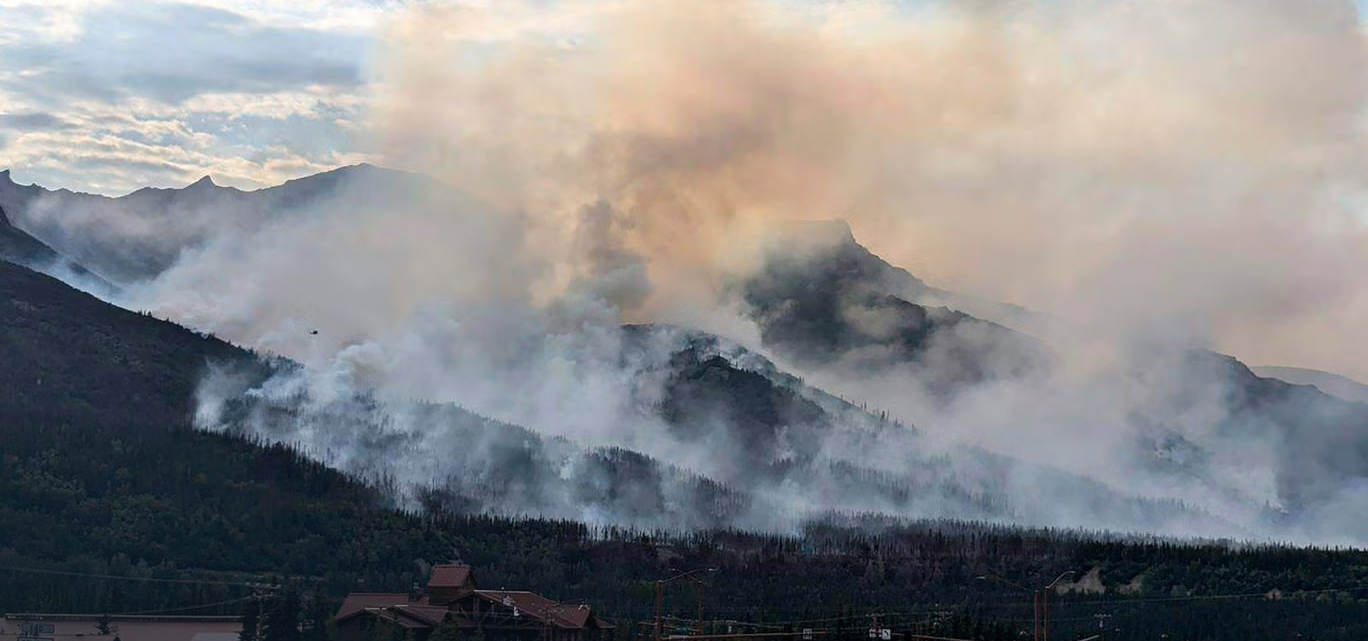
photo by National Park Service
Understanding wildfire means looking at the many factors that shape it, from climate and vegetation to land use and human activities. These connections influence how fires behave, how ecosystems respond, and the consequences for people and the planet.
At Woodwell, we investigate how wildfire patterns are changing and what those changes mean for ecosystems, carbon emissions, and the global climate. Our research helps improve climate predictions, inform land and fire management, guide climate policy, and support communities in understanding and preparing for wildfire risks.
photo by Joshua M. Rady
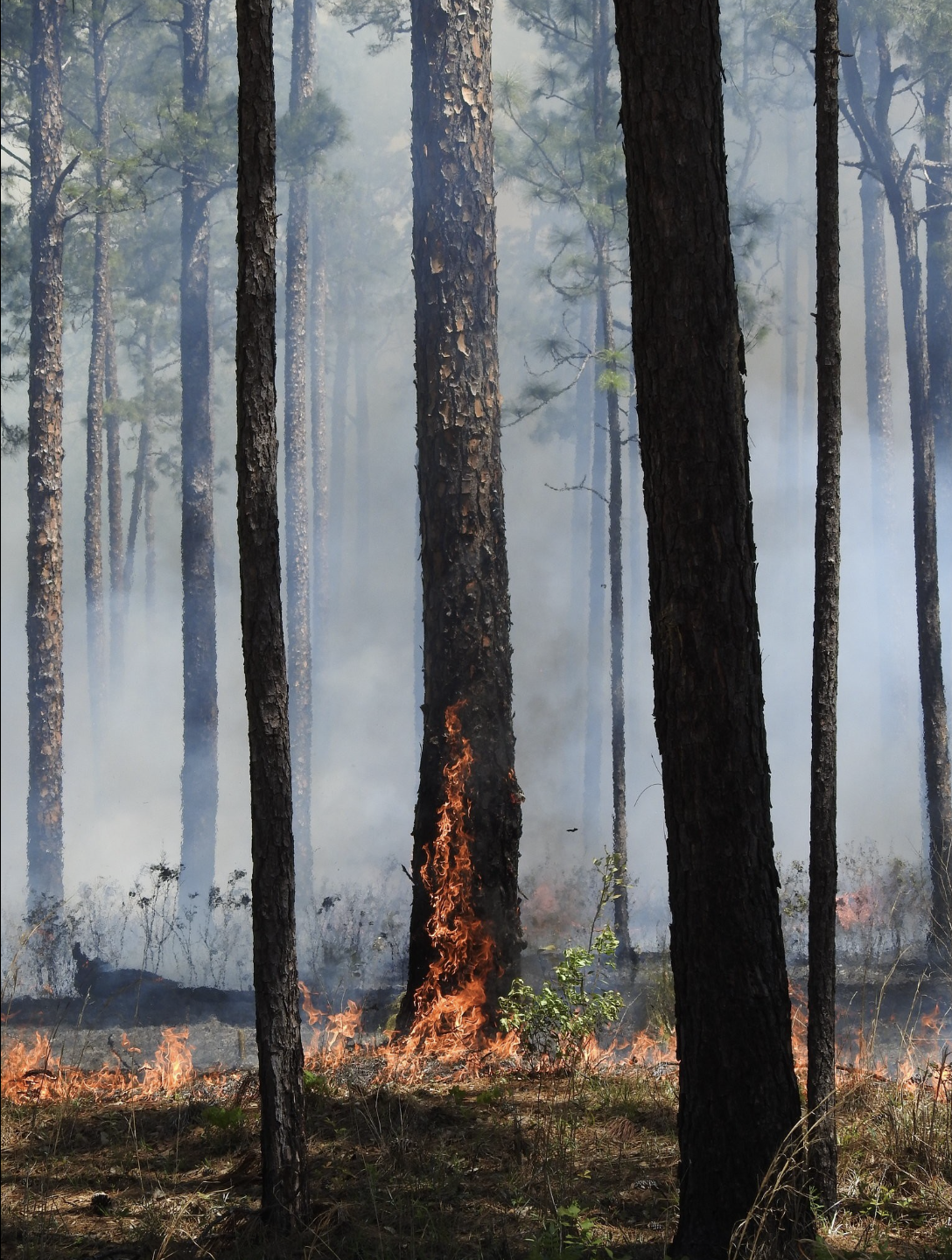
Not all fire is bad. Fire is a natural part of many ecosystems, and some depend on periodic burning to regenerate and thrive. For generations, Indigenous People have used cultural burning to steward landscapes and sustain culturally important resources, while prescribed burning uses planned fire to restore fire-dependent ecosystems and reduce wildfire risks. But fire can also cause lasting damage. Its consequences depend on where and when it burns, its intensity, what lies in its path, and how well people and ecosystems can recover. Understanding both the benefits and risks of fire is essential to managing it effectively.
Climate’s effect on wildfires.
Climate change doesn’t cause every wildfire, but it is intensifying many of the conditions that allow them to grow. Hotter temperatures, drought, drier vegetation, and more extreme weather can increase the likelihood of severe fires in many regions.
During the 2024-25 fire season, climate change substantially increased extreme wildfire risk in several parts of the world. It made extreme fire weather 30-70 times more likely in Northeast Amazonia, and 3-8 times more likely in the Congo Basin. In Southern California, climate change more than doubled the likelihood of a wildfire event burning as much land as the January 2025 fires.
As fires become more extreme, so do the consequences. Wildfires can take lives, destroy homes, force evacuations, cut power, close roads, damage infrastructure, and uproot entire communities. The 2025 Palisades and Eaton fires in Los Angeles forced about 150,000 people to evacuate, while overall losses from the January wildfires were estimated at roughly $53 billion.
And many impacts extend far beyond the fire zone. Smoke can travel thousands of miles, carrying fine particles that can penetrate deep into our lungs and harm our health. A 2025 study estimated that smoke pollution from Canada's 2023 wildfires contributed to 82,100 premature deaths worldwide, including about 33,000 in the United States.
Why wildfires matter to our climate.
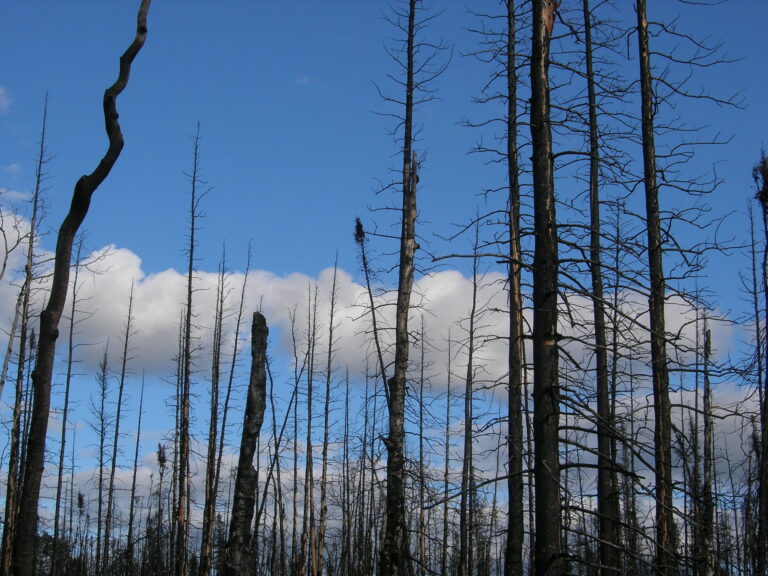
Wildfires release greenhouse gases as vegetation and, in some ecosystems, soil organic matter burn, reducing the carbon stored in these ecosystems. The amount released depends not only on how much land burns, but also on what burns and how severely. The effects can also continue after the fire: where vegetation recovers slowly or fails to recover, ecosystems can take up less carbon for years or longer.
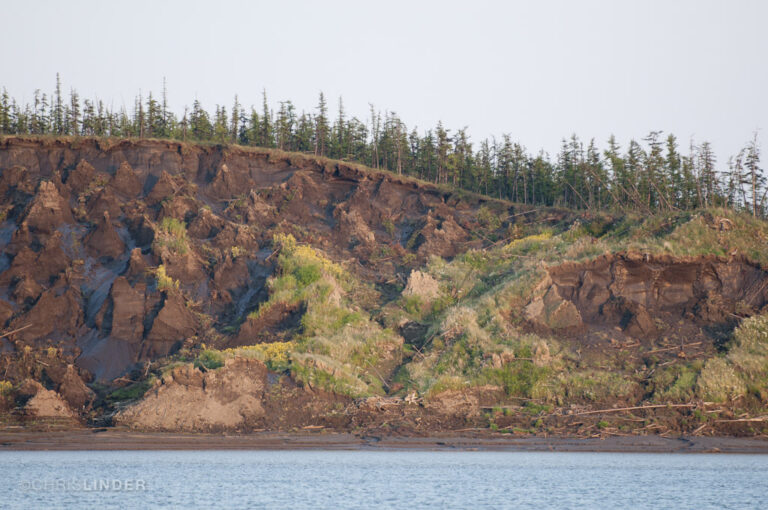
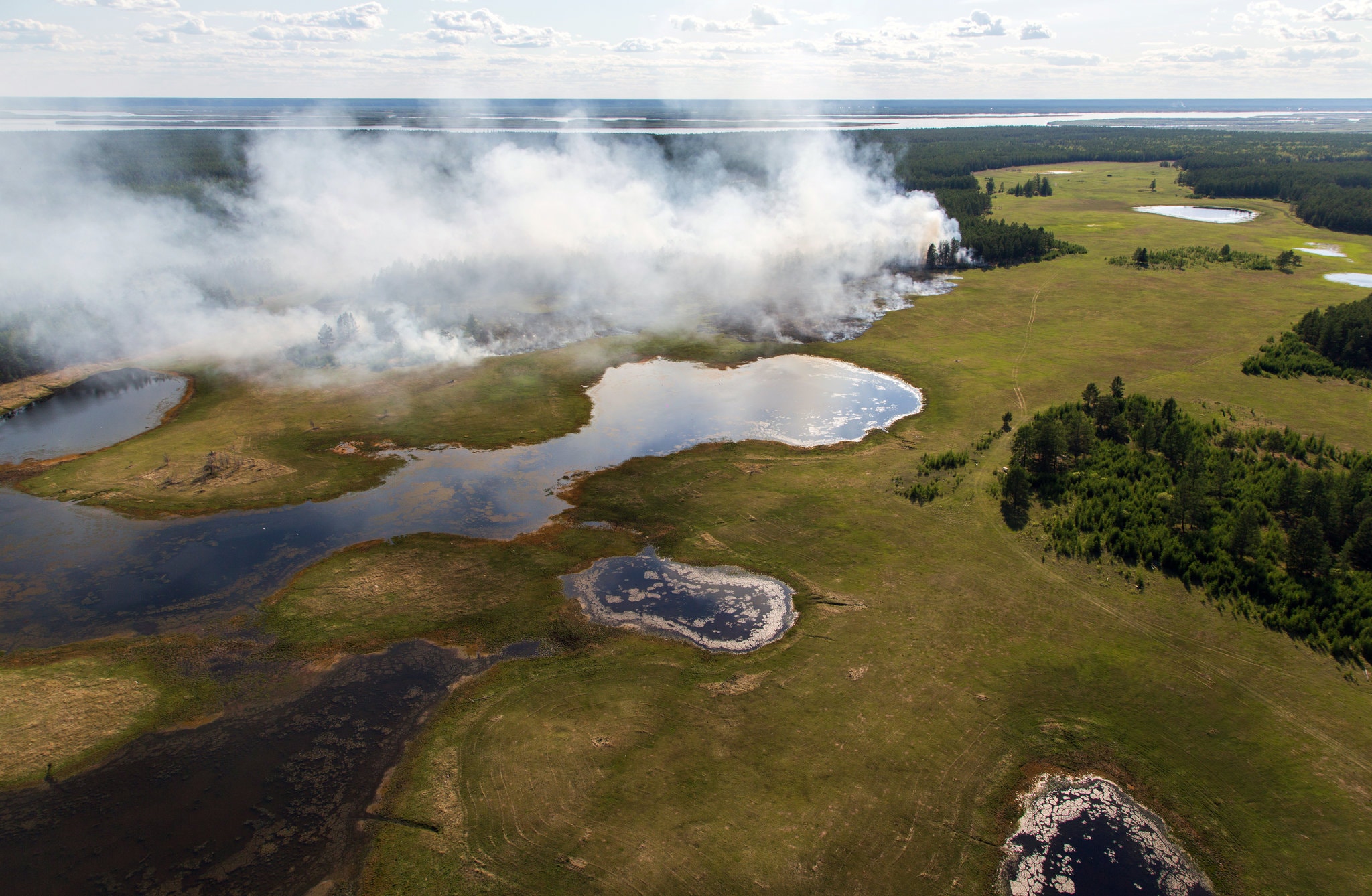
In Arctic and boreal regions, wildfires can have an additional effect by accelerating permafrost thaw. As long-frozen organic matter thaws and decomposes, it releases carbon dioxide and methane, adding further greenhouse gases to the atmosphere.
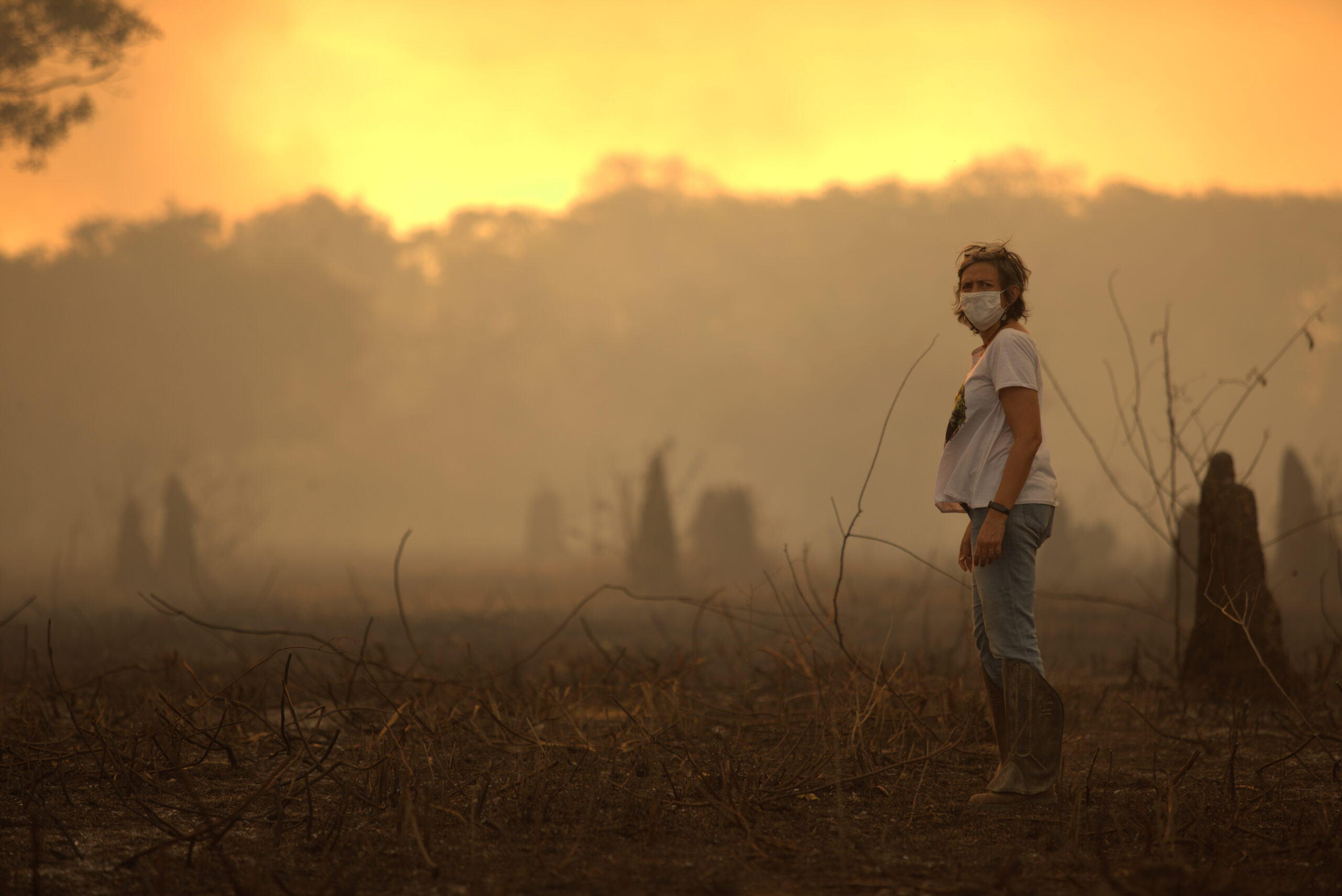
photo by Illuminati Films
Woodwell investigates how wildfire patterns are changing, what drives those changes, and how fires affect ecosystems and the global climate. Our scientists combine field research, satellite observations, and computer models to study carbon emissions, ecosystem recovery, and future wildfire risk. We also partner with Indigenous Knowledge holders and community leaders to co-create equitable, community-driven adaptation plans.
Turning science into solutions.
Our research helps inform fire and land management, climate policy, and efforts to protect communities and carbon-rich ecosystems. By advancing our understanding of wildfire, we support a shift from reactive responses toward more proactive fire stewardship that considers the needs of people, ecosystems, and the climate.