photo by Sara Leal Pereira / IPAM


Climate solutions are more likely to work when the people who know a place, manage its resources, make decisions, or live with the consequences help shape them. Woodwell works with partners to bring climate science into the decisions and actions that matter on the ground.
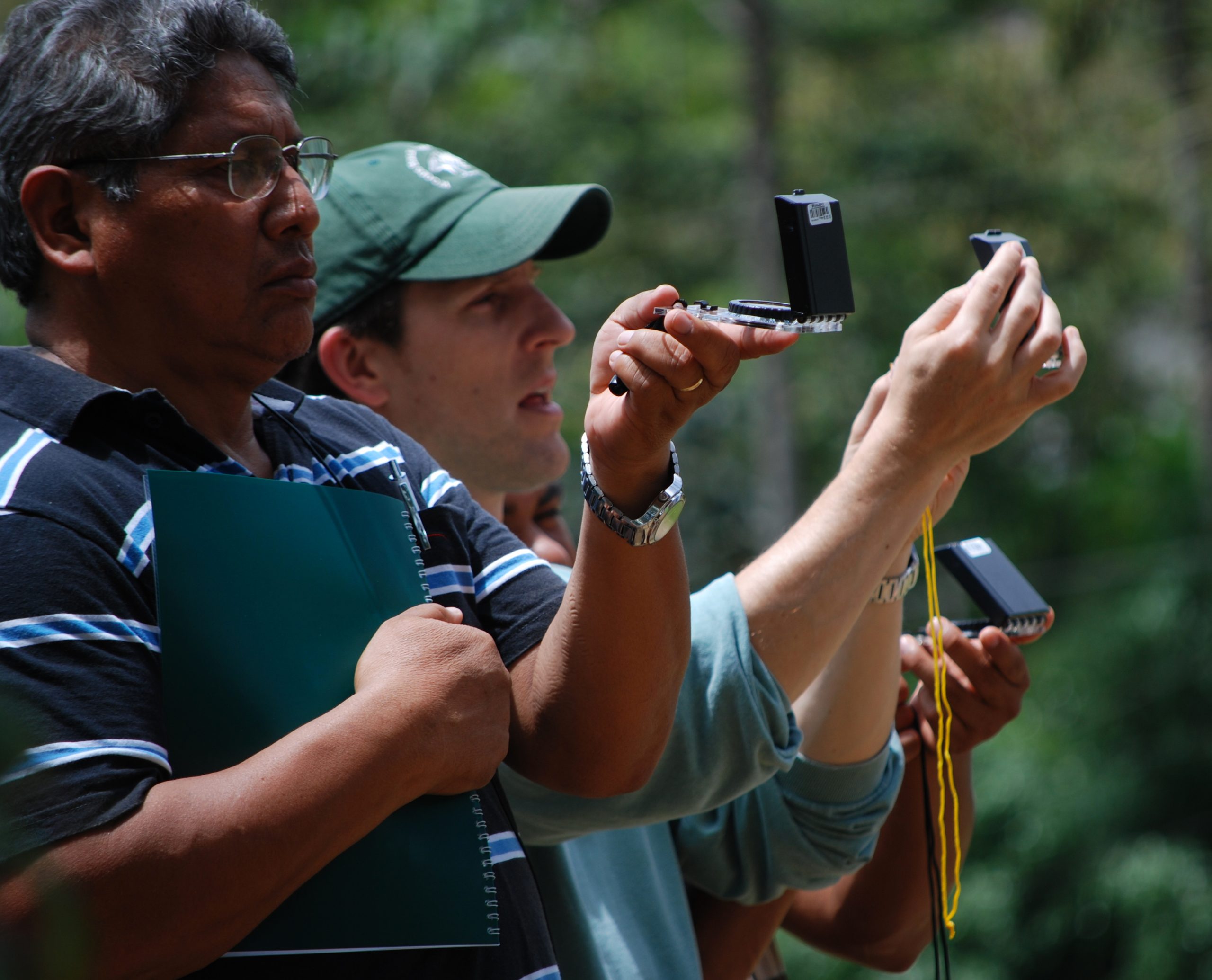
photo by Eve McNamara
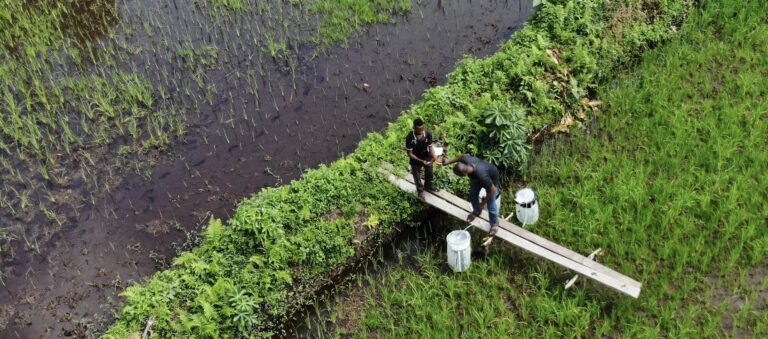
No one understands a community’s challenges quite like the people who live there. They know the places, resources, and infrastructure they depend on, and often see changes long before they appear in scientific data.
Woodwell brings that knowledge together with climate science to develop solutions shaped by the people who will use them and live with the results.
photo by Sara Leal Pereira / IPAM
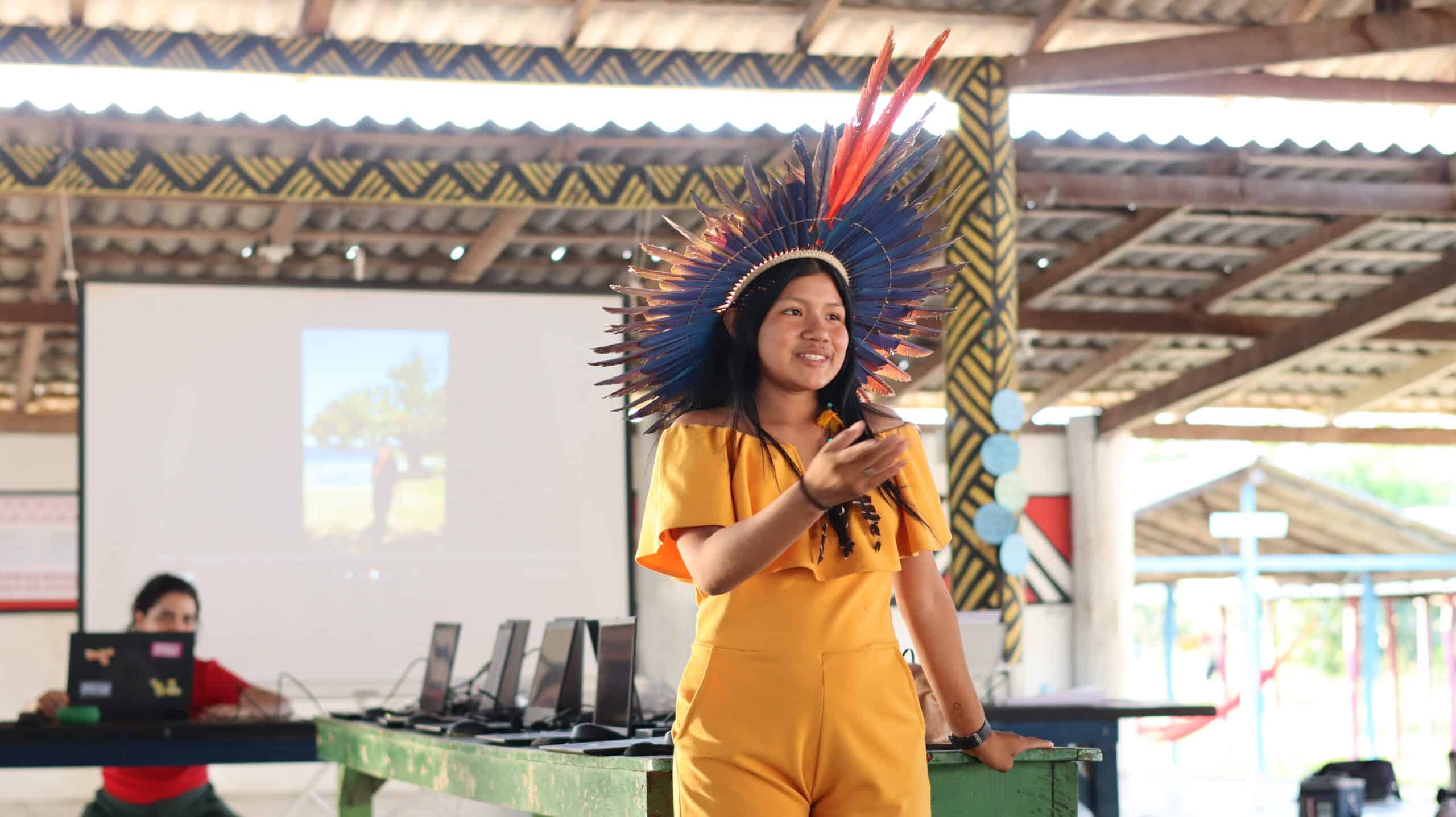
Climate science is most useful when it is built around the questions people need answered and the decisions they need to make.
That can mean identifying which hazards matter most, determining where data gaps exist, or adapting scientific tools to local conditions.
Through Just Access, community representatives choose the climate hazards to assess, define the area to be studied, and provide relevant local information. Woodwell turns that input into tailored risk assessments that communities can use for planning, zoning, grant applications, and adaptation. In Decorah, Iowa, local partners provided information on dam strength, zoning ordinances, and elevation data that helped Woodwell refine its flood-risk analysis. The resulting assessment identified vulnerable areas and gave city leaders information they could use in decisions about where future development should—and should not—occur.
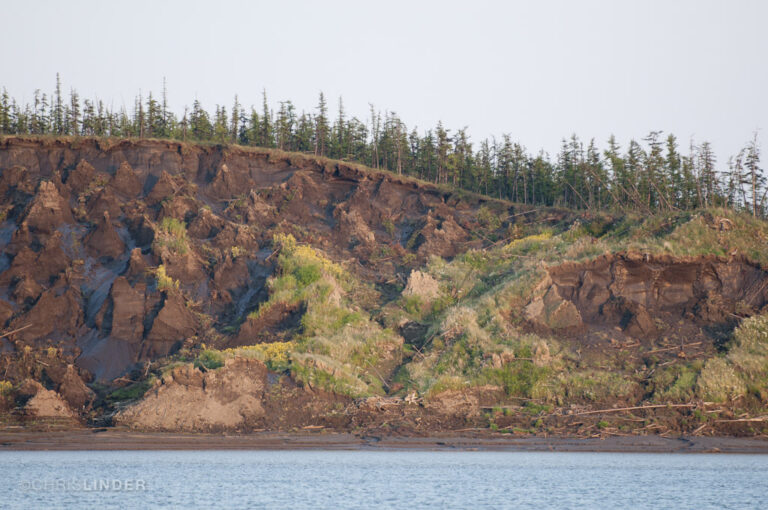
In Alaska, Permafrost Pathways works with Alaska Native communities facing flooding, erosion, and permafrost thaw. Community members and researchers monitor changing conditions, map impacts, and develop information at the scale of homes, roads, and other infrastructure to support adaptation decisions, including protection in place and, where necessary, relocation. The work has also included GIS training so communities can build and use their own maps as conditions change.
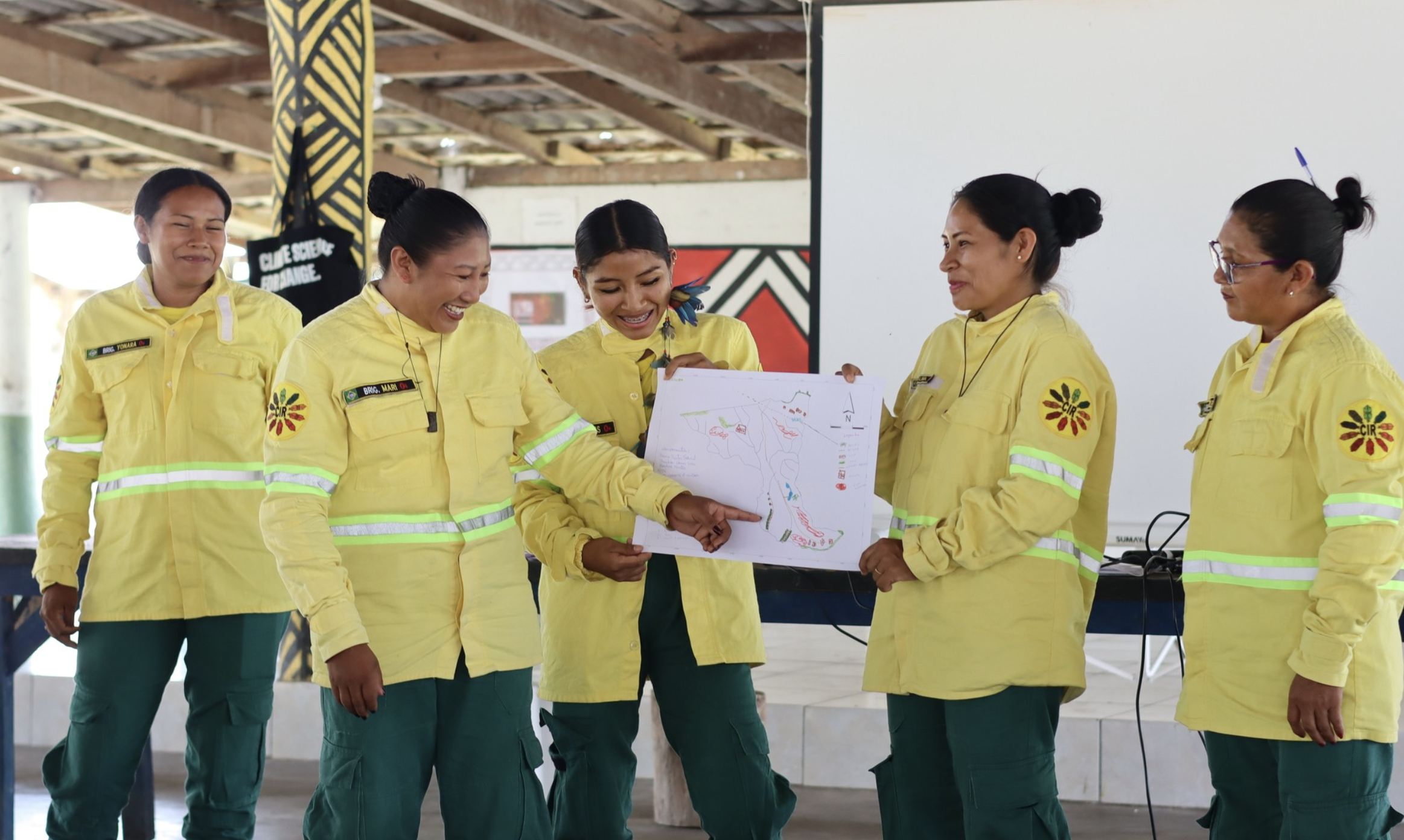
photo by Sara Leal Pereira / IPAM
Turning knowledge into action also means working with the institutions that shape policy, investment, and management decisions.
Woodwell works with policymakers at multiple levels of government to bring climate evidence into policy development and implementation. That has included providing scientific briefings, contributing technical expertise, and working with decision-makers on issues ranging from agriculture and carbon markets to climate risk and resilience. The work is nonpartisan and focused on strengthening decisions with credible science.
Woodwell also works with private-sector partners to apply climate science to real-world needs. Through its long-running partnership with Wellington Management, Woodwell helped develop the Climate Exposure Risk Application (CERA), a mapping tool that evaluates physical climate risks at the asset and portfolio level. The partnership has also produced guidance for corporate disclosure of physical climate risk, showing how scientific expertise and practitioner knowledge can be combined to create tools and approaches that are useful in practice.
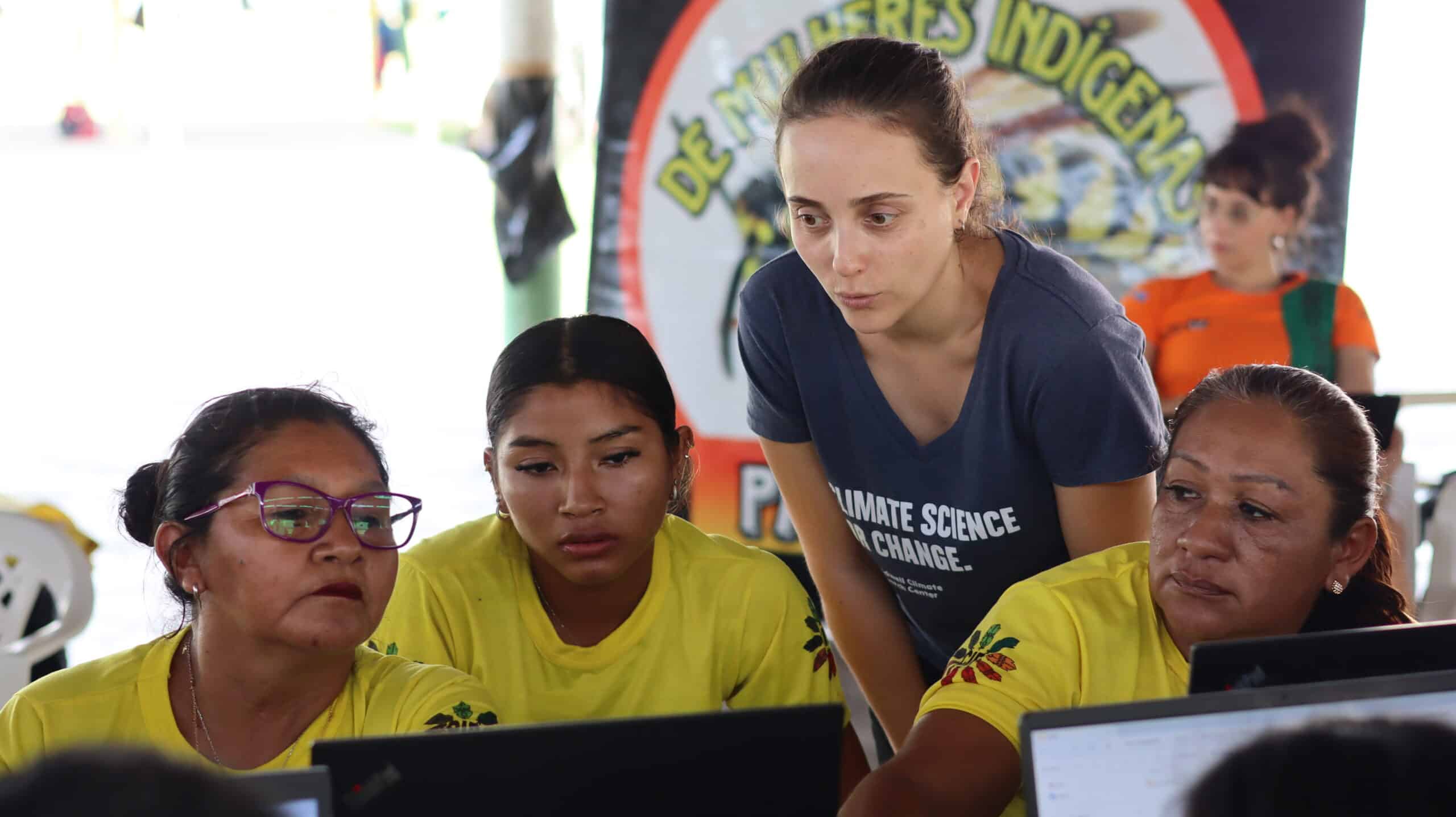
photo by Sara Leal Pereira / IPAM
A strong partnership should leave more than a report. It can build skills, improve access to information, strengthen relationships, and reveal where larger systems need to change.
That feedback can also travel in both directions. Work with communities through Just Access also revealed wider gaps in access to usable climate information and helped spur Woodwell’s push for stronger national climate services. Local experience can identify needs that science alone might miss, while lessons from individual partnerships can help shape broader policy and practice.
Across this work, collaboration takes different forms because the problems and partners are different. The common thread is making climate science more useful—by developing it with the people who understand the context and connecting it directly to the decisions and actions it can inform.