photo by Chris Linder


Reducing emissions requires rapid cuts in fossil fuel use and land-based action to reduce greenhouse gas emissions and remove carbon dioxide from the atmosphere. Woodwell provides the science needed to identify, measure, and strengthen land-based climate solutions so their benefits are accurately understood and can hold up over time.
photo by NASA / ISS Expedition 67
Land is a critical part of climate mitigation. Agriculture, forestry, and other land use account for roughly one-fifth of human-caused greenhouse gas emissions. Land-based action can help in two distinct ways: by preventing greenhouse gases from being released and by removing additional carbon dioxide from the atmosphere.
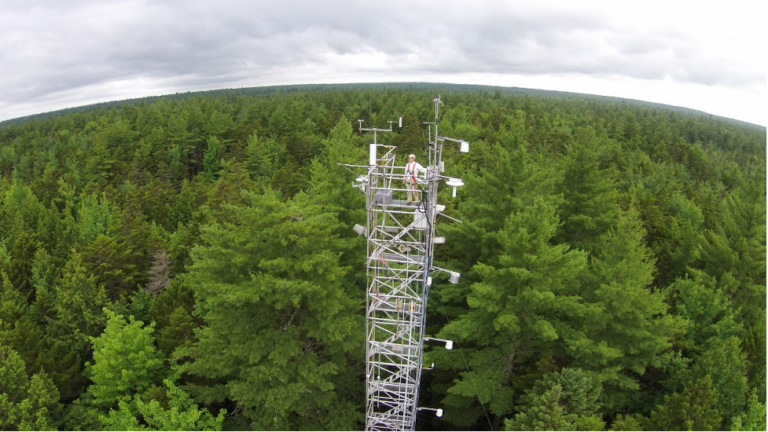
Much of Woodwell’s work focuses on natural climate solutions that put those pathways into practice. Protecting forests, wetlands, and other natural ecosystems that are at risk of loss or degradation can prevent emissions by keeping existing carbon stored. Restoring natural ecosystems can rebuild carbon stocks, while improved management of croplands, grazing lands, and production forests can reduce emissions and, in some cases, increase carbon storage. Our science helps determine where these approaches can deliver meaningful climate benefits and whether those benefits will hold up over time.
photo by Chris Linder
Not every action labeled a climate solution has the same effect on the atmosphere. Credible accounting needs to ask whether a claimed climate benefit would have happened anyway, whether reducing emissions in one place simply shifts them somewhere else, whether stored carbon is likely to remain stored, and whether all relevant greenhouse gases are being counted.
Woodwell brings together different kinds of evidence to answer these questions. Analysis of land use, economics, and human behavior helps us understand what would likely have happened without a particular action and whether reducing emissions in one place may simply shift them somewhere else. Field measurements, satellite data, and carbon-cycle models help show how much carbon is stored or released and how greenhouse gas emissions and removals change over time.
Our scientists track carbon dioxide, methane, and nitrous oxide and work to make sure important sources of emissions are not left out. One example is thawing permafrost. As frozen soils thaw, they can release carbon that has been stored for centuries or longer, yet these emissions are still not fully reflected in the systems used to track greenhouse gases and set climate targets. Woodwell scientists measure and model these emissions to help close that gap and build a more complete picture of how much carbon is entering the atmosphere.
That science supports different kinds of accounting for different purposes. National greenhouse gas inventories and global carbon budgets help show the broader picture of emissions and removals and are used to inform climate targets and track progress. For example, under the Paris Agreement, countries report their national greenhouse gas inventories and information showing their progress toward national climate targets set out in their nationally determined contributions. Meanwhile, carbon-market accounting focuses on specific projects or programs, asking whether their claimed climate benefits are real, measurable, would not otherwise have occurred, and are likely to last.
Across these efforts, the goal is to make sure emissions and removals are counted accurately and climate benefits are neither overstated nor overlooked.

photo by Chris Linder
Woodwell puts that science to work across forests, croplands, grazing lands, wetlands, and fire-prone landscapes.
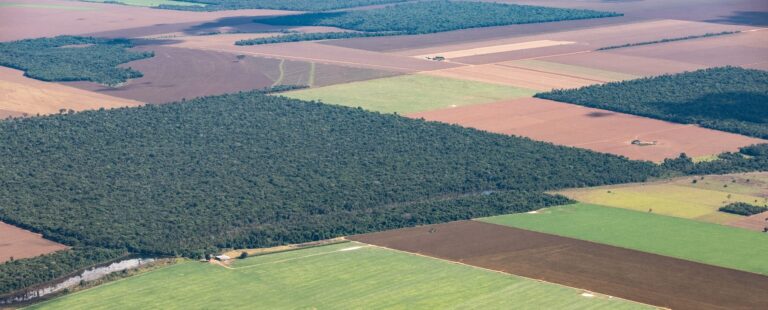
Woodwell identifies where protecting forests from clearing and degradation can avoid greenhouse gas emissions by keeping carbon stored in forests and evaluates how different financial and policy approaches—from direct payments for conserving native vegetation to jurisdictional and international forest-finance programs—can help reduce deforestation. One example is CONSERV, which pays rural producers in Brazil to keep native vegetation standing on land they could legally clear. Woodwell contributes research and analysis to evaluate how the approach works and how it could be scaled.
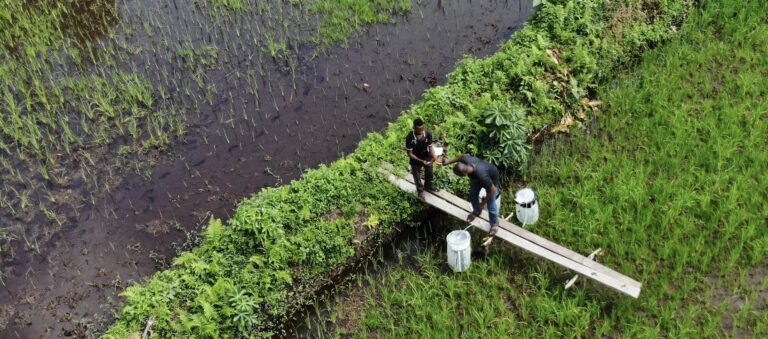
In croplands, Woodwell researchers conduct field experiments to test whether practices such as cover cropping build and retain soil carbon. The aim is to understand when and where these practices deliver the expected climate benefits, rather than assume that they do everywhere.
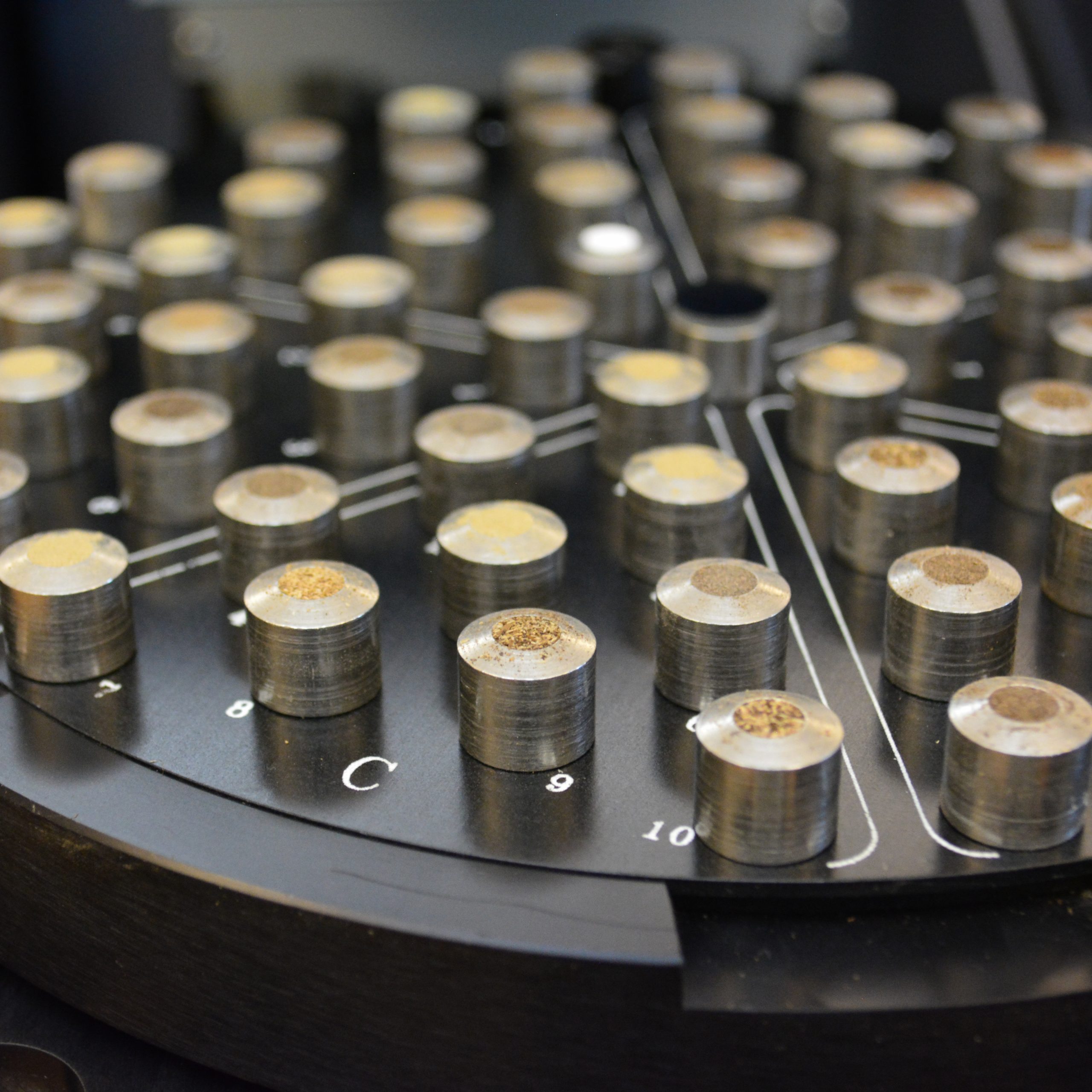
Woodwell builds world-class tools for measuring and monitoring climate benefits. On grazing lands, RangeSTAR combines satellite imagery, ecosystem modeling, and field measurements to track whether landscapes are gaining or losing carbon and how different grazing practices affect how much carbon the land stores over time. Woodwell researchers are also developing faster, lower-cost ways to measure soil carbon and other key soil properties through the Soil Spectroscopy for Global Good initiative.
Woodwell’s work does not end at identifying and measuring promising solutions. We bring that evidence into the management, policy, and financial decisions that determine whether effective approaches are put into practice and expanded.
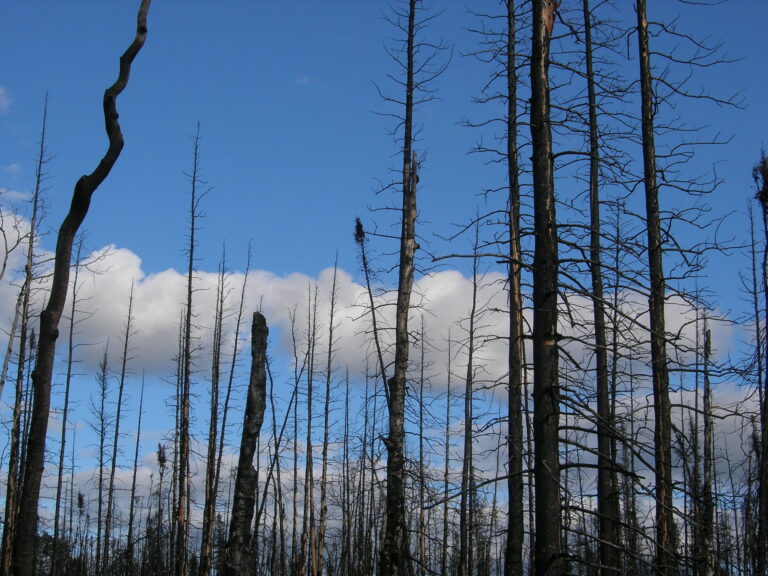
That can mean changing how landscapes are managed. In Alaska’s Yukon Flats National Wildlife Refuge, Woodwell research helped inform a decision to increase fire protection across 1.6 million acres of carbon- and permafrost-rich land. The ongoing pilot is examining whether more active fire management can protect carbon and permafrost, alongside people and property, and reduce climate impacts.
It can also mean shaping the systems that direct climate finance. Woodwell contributes science and analysis to efforts such as jurisdictional REDD+ and the Tropical Forest Forever Facility, helping strengthen how large-scale forest protection is measured, evaluated, and financed.
Across these efforts, the goal is the same: make sure decisions about land, policy, and finance are grounded in climate benefits that can be measured and trusted.
Land-based mitigation cannot replace rapid cuts in fossil fuel emissions. But done well, it will provide a needed buffer during a transition to a low-carbon economy while building healthier and more resilient ecosystems.