photo by Chris Linder


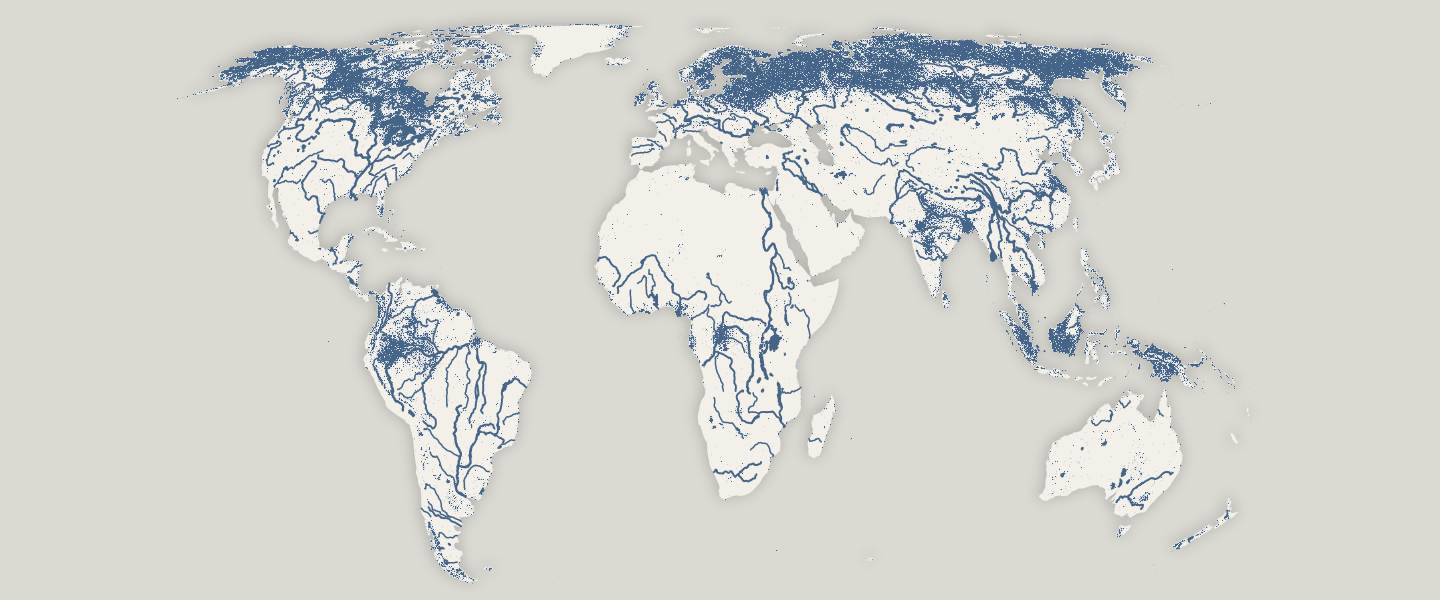
Too much water. Too little. Water arriving at the wrong time, or no longer safe to use. Life depends not just on the presence of water, but on its movement, timing, and quality. As the climate changes, understanding the rivers, lakes, and wetlands that sustain life has never been more important.
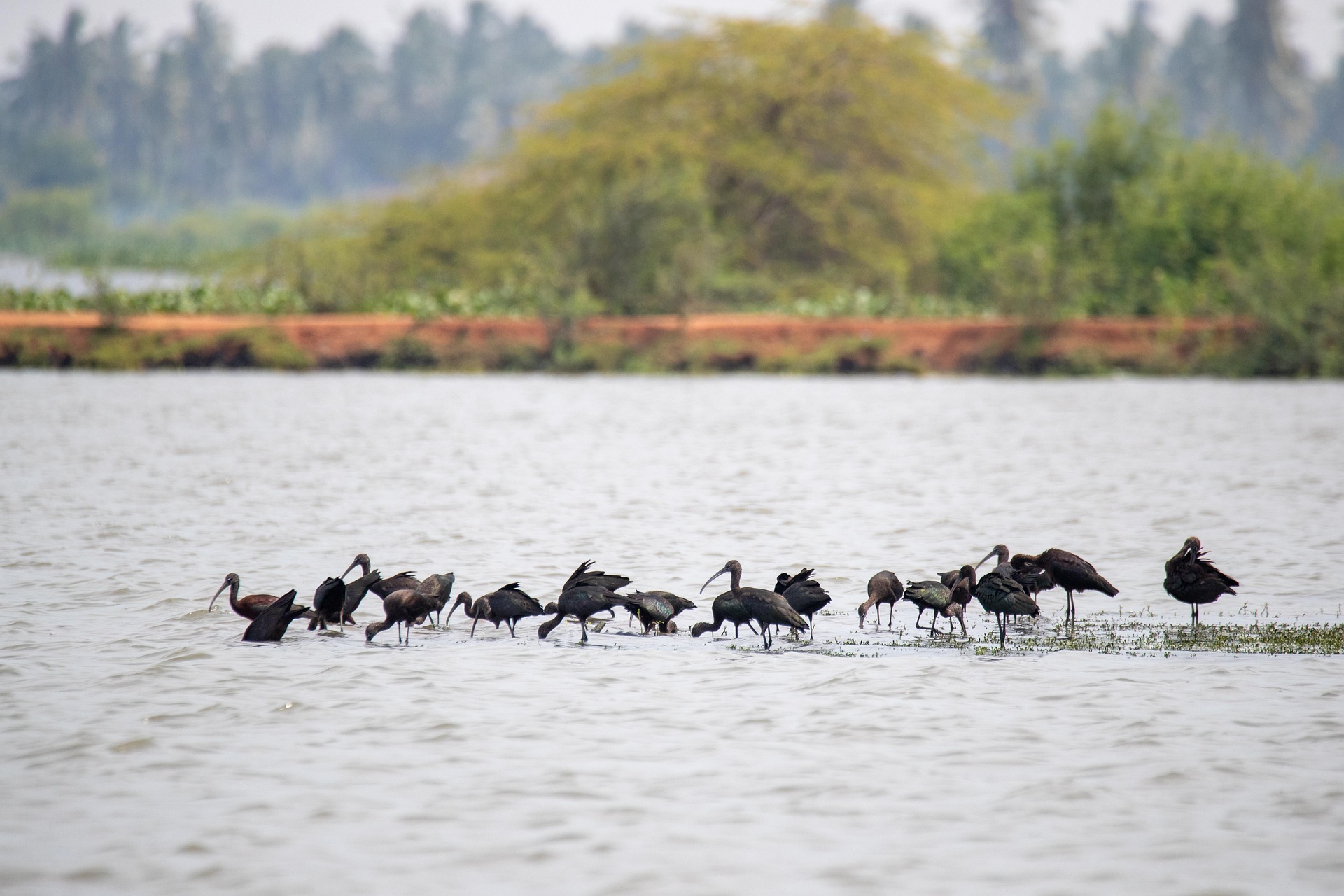
photo by pixabay
What happens in a river, lake, or wetland often begins somewhere else. Water travels across landscapes and beneath our feet, moving through soils, streams, floodplains, and underground pathways. Along the way, it connects places that may seem separate. A change upstream, across the landscape, or beneath the surface can ripple through these connections, affecting water, habitats, and life far from where it began.
photo by Chris Linder
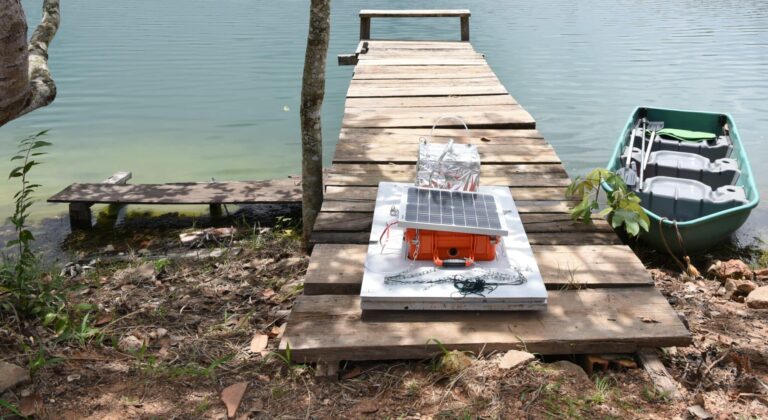
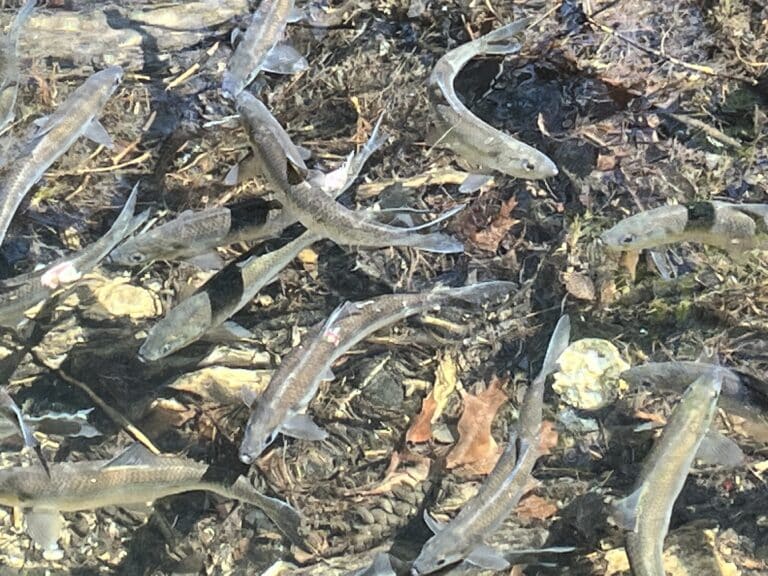
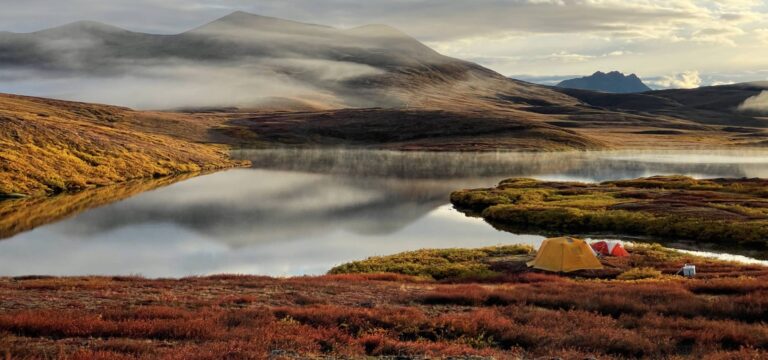
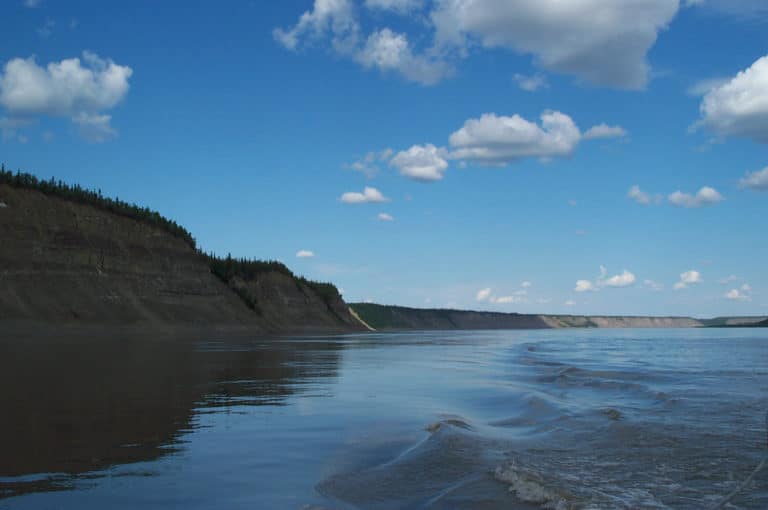
The water we drink may have come from a river, a lake, or deep underground. These are all sources of freshwater. But freshwater environments are far from alike. From rushing streams to deep, still lakes, differences in water flow, temperature, oxygen, and nutrients shape the plants and animals that live there.
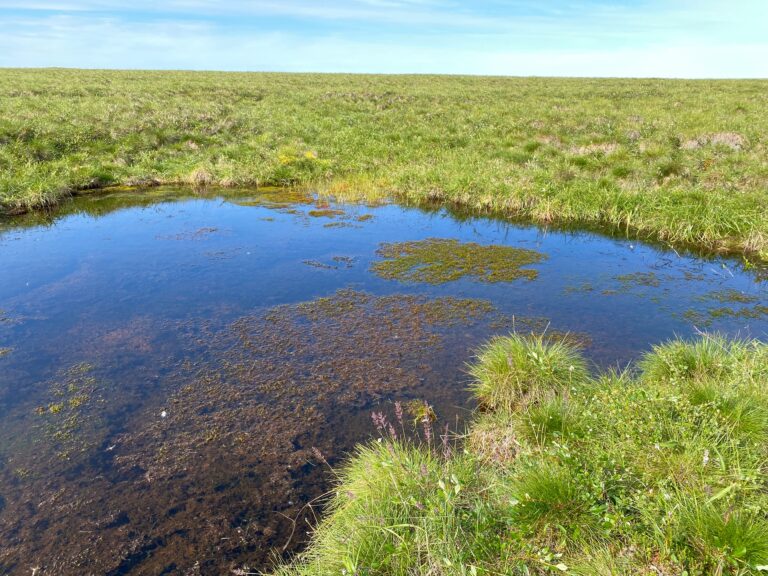
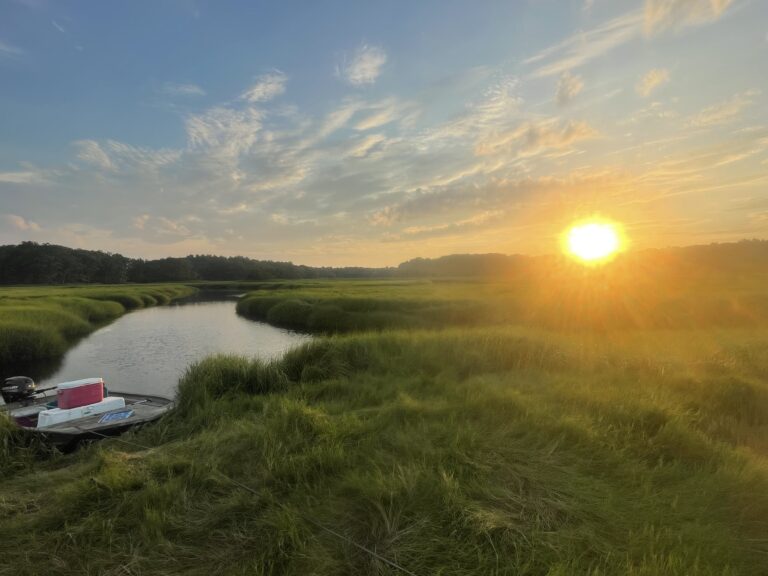
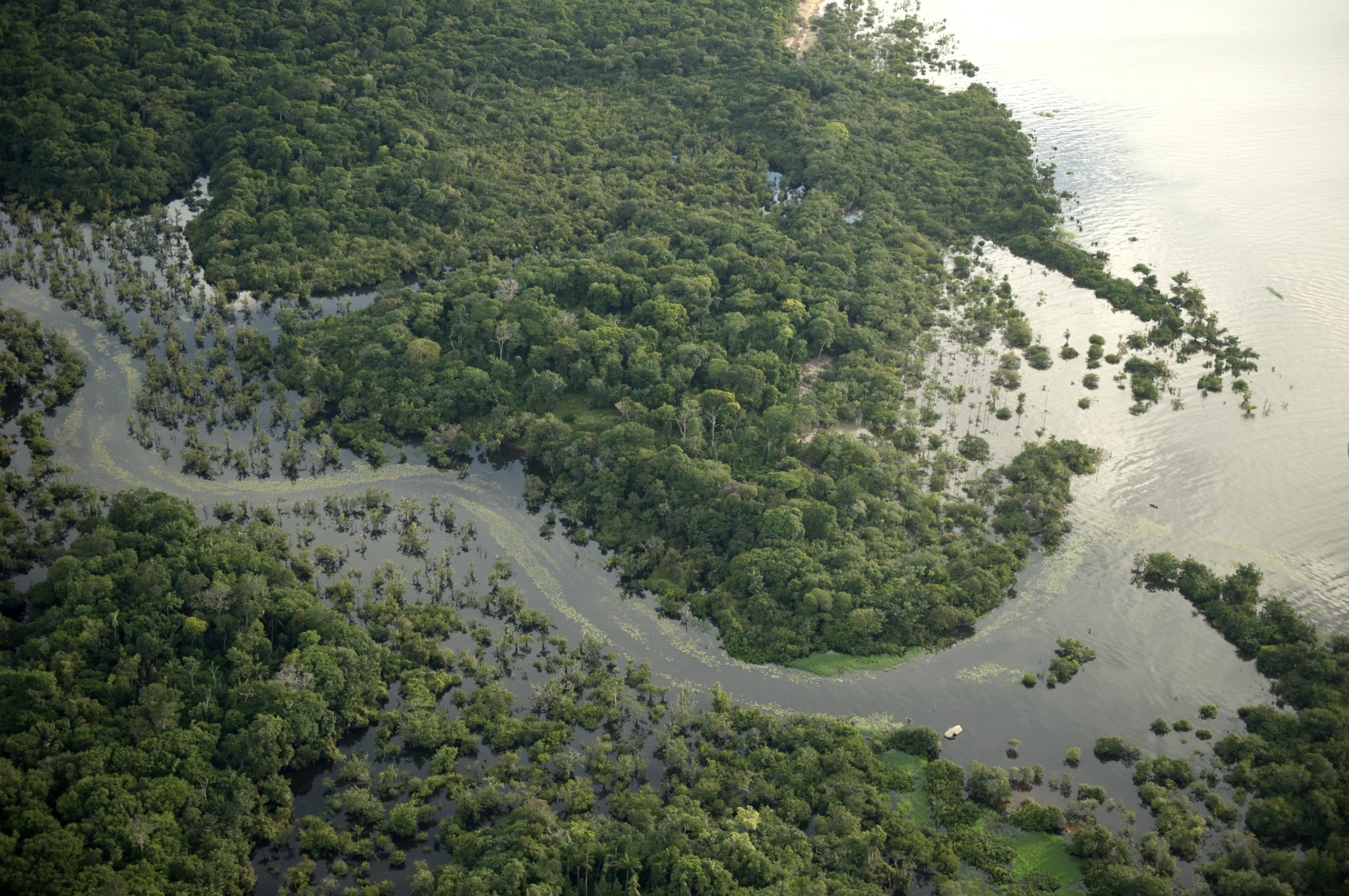
Wetlands are ecosystems where water shapes the land itself. When water covers or saturates the ground for long enough, it creates distinctive soil conditions and supports plants and wildlife adapted to wet environments. Some wetlands remain wet year-round, while others flood seasonally and may appear dry for months. They include marshes, swamps, bogs, and fens, as well as coastal salt marshes and mangroves. Many wetlands contain freshwater, but others are brackish or salty.

Freshwater habitats cover less than 1% of Earth's surface, yet support roughly 10% of all known species. Their importance extends well beyond the life they support. Rivers, lakes, and groundwater underpin safe drinking water, sanitation, and food production—foundations of human health and survival.
Wetlands also play vital roles in regulating water and climate. Some temporarily store floodwater, helping reduce flooding downstream. Others retain sediments and excess nutrients that might otherwise reach rivers and lakes. Peatlands, a type of wetland, can hold vast amounts of carbon accumulated over centuries or even millennia. These functions make wetlands important for water quality, flood protection, and climate regulation.
Yet these ecosystems are under growing pressure. Since 1970, more than one in five of the world’s wetlands have been lost. Nearly one in four freshwater animals studied worldwide, is threatened with extinction. Pollution, dams, land-use changes, and water withdrawals disrupt these systems, while climate change adds new pressures. Their decline threatens not only biodiversity, but also the water, food, and livelihoods that communities depend on.
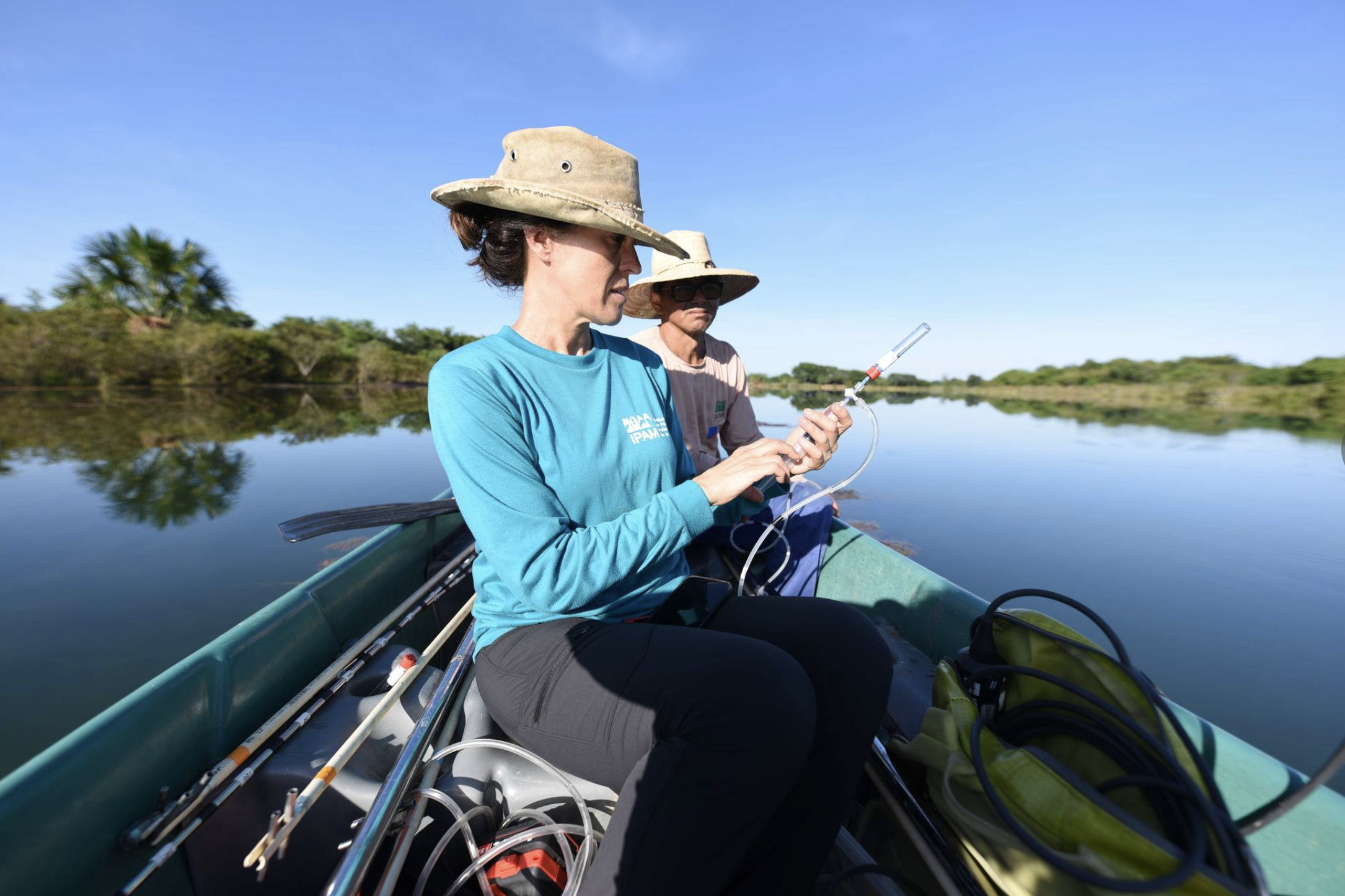
photo by Mitch Korolev
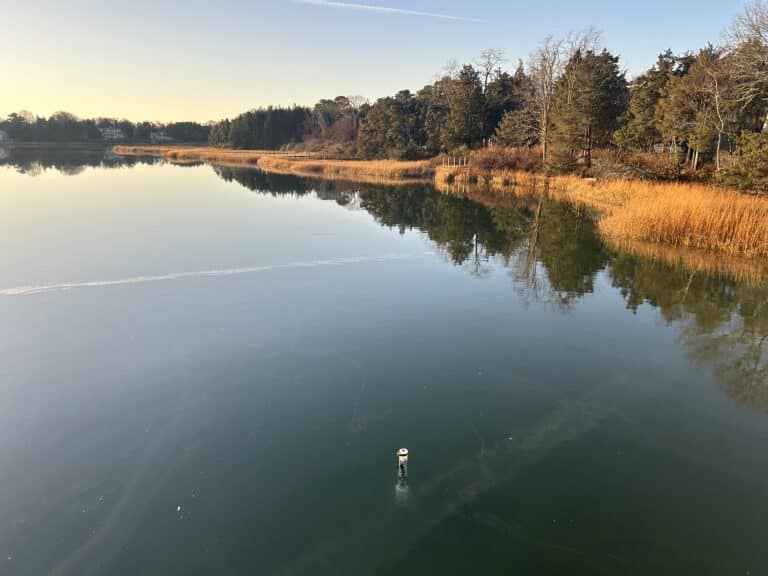
Woodwell studies how climate change and land use affect freshwater and wetland ecosystems. Our scientists track changes in water flow, temperature, nutrients, carbon, and aquatic life to understand what’s changing, why,and where the risks are greatest.
But the effects of changing conditions aren’t the same everywhere. They depend on the ecosystem, the surrounding landscape, and how water moves through it. By studying freshwater and wetlands holistically, Woodwell can identify risks throughout watersheds and help inform solutions that protect water quality, biodiversity, and the people who rely on these ecosystems.