



The danger goes beyond how hot it’s getting.
A thermometer tells us how hot it is, but not the full extent of the risks that heat brings. How intense the heat is, how long it lasts, and how humid the air is all matter. So do the conditions in which people live and work. From human health to agriculture, ecosystems, and essential infrastructure, the consequences depend not only on the heat itself, but on who and what is exposed and how vulnerable they are. Understanding these connections is critical to anticipating where risks are greatest and preparing for a hotter world.
EXTREME HEAT
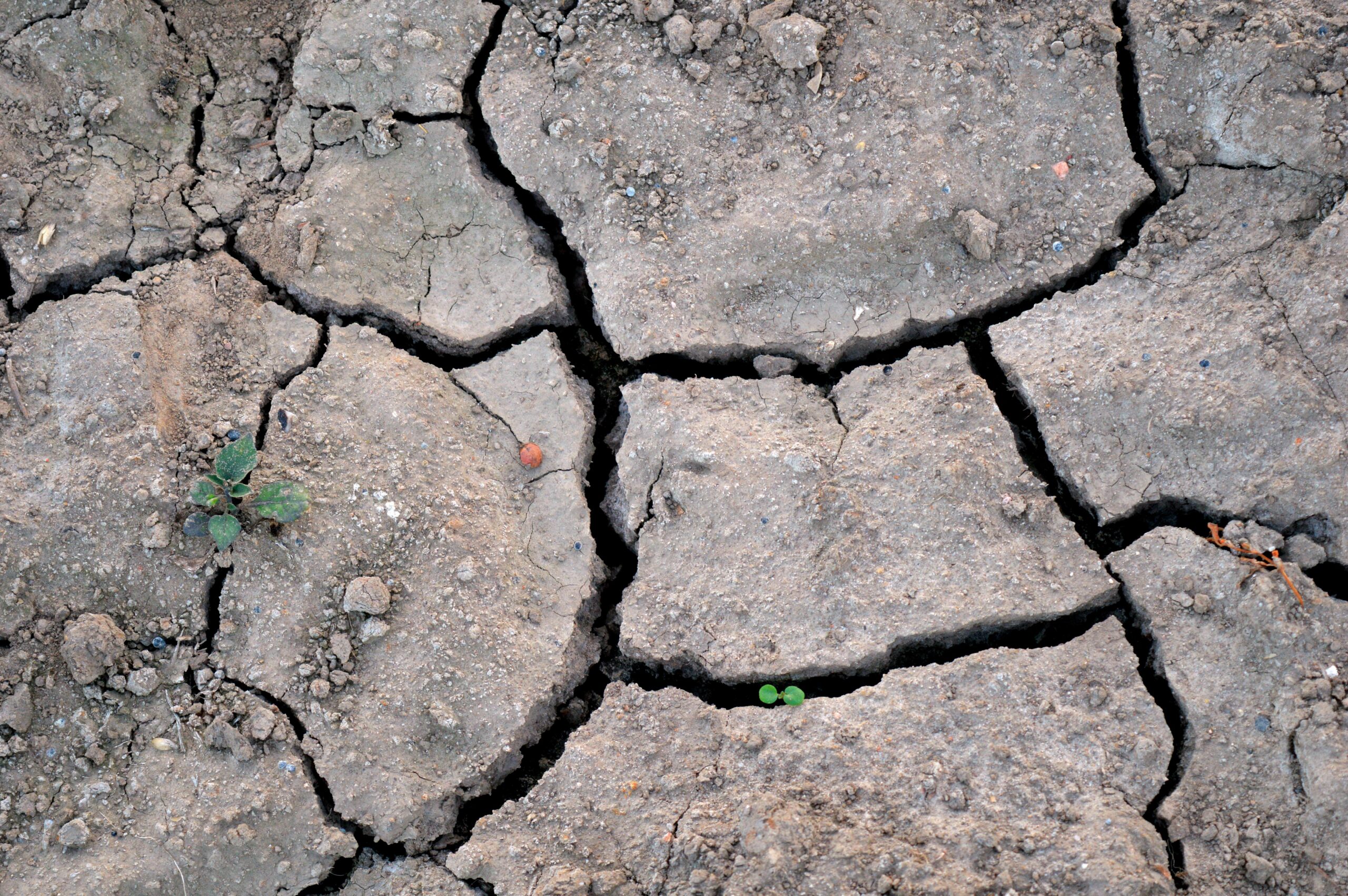
Extreme heat is affecting billions of people worldwide, and climate change is making it more frequent and intense. Extreme heat contributed to an estimated 546,000 deaths each year worldwide, on average, from 2012 to 2021.
Woodwell investigates where extreme heat risks are growing, how they interact with other climate threats, and what these changes mean for people, ecosystems, and infrastructure. Our research helps communities understand their vulnerabilities, anticipate future risks, and help them prepare.
How extreme heat affects our health.
When the body cannot cool itself fast enough, heat exhaustion can progress to life-threatening heatstroke. High humidity makes the danger worse by slowing the evaporation of sweat, one of the body's main ways of cooling down. Heat also puts extra strain on the heart and kidneys and can worsen existing health problems.
How Extreme Heat Affects Our Work
Heat also changes how much work people can safely do. Outdoor and manual workers face greater risks of heat illness and injury, and extreme temperatures can force people to slow down, take more breaks, or stop working. In 2024, heat exposure led to an estimated 640 billion potential work hours lost worldwide, associated with about US$1.09 trillion in potential income losses.
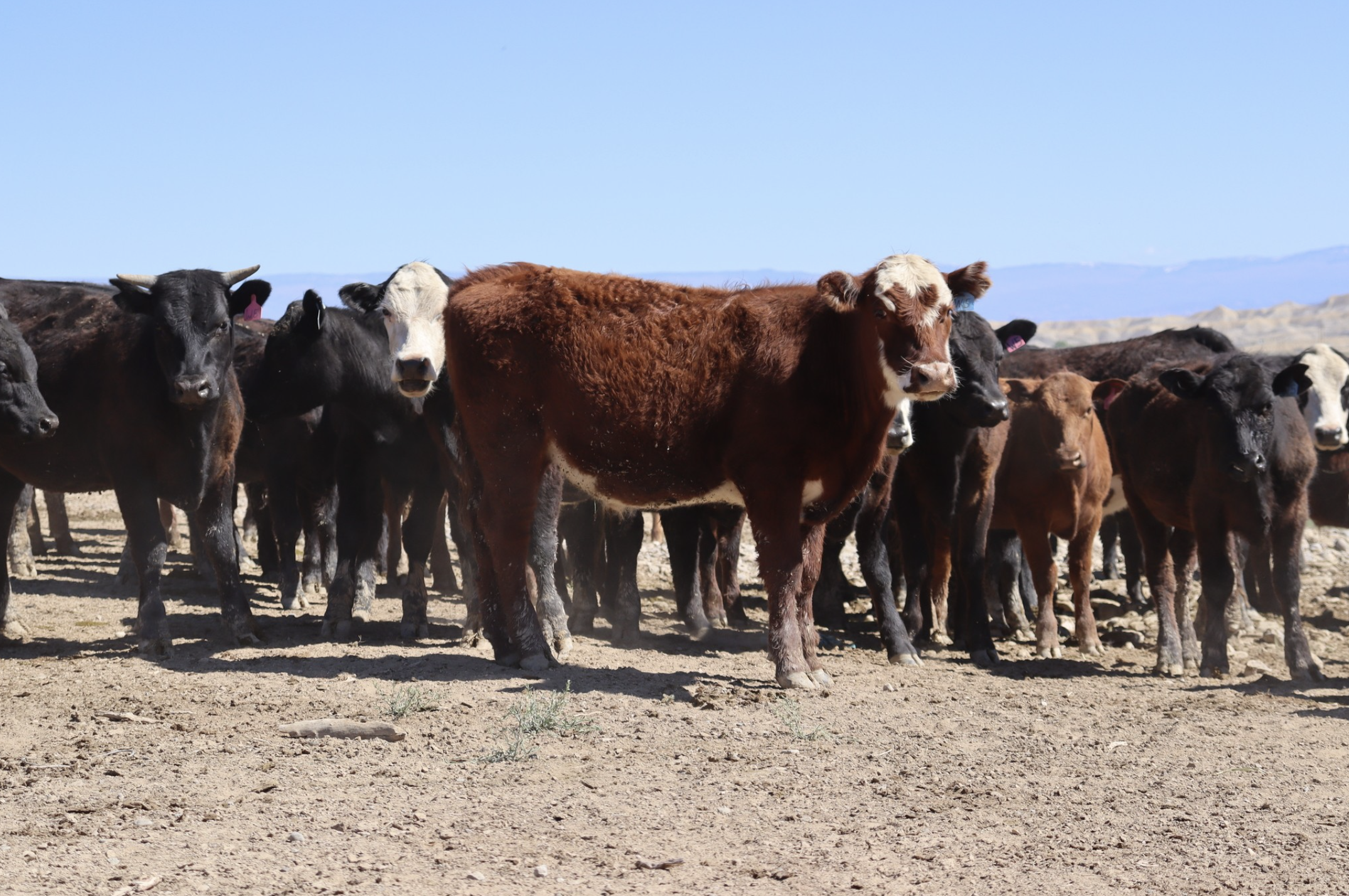
photo by Sarah Ruiz
The Impact On Agriculture and Ecosystems.
High temperatures can damage crops, especially during sensitive stages of growth, stress livestock, and reduce agricultural production. Extreme heat also makes farm work more dangerous, threatening the livelihoods of more than 1.23 billion agricultultural workers each year.
Extreme heat also takes a toll on natural ecosystems. It can slow plant growth and, particularly when combined with drought, dry out vegetation. These conditions can increase wildfire risk. While heat alone does not cause fires, hotter, drier conditions can make vegetation more flammable and help fires spread. Globally, the frequency of the most extreme wildfire events more than doubled between 2003 and 2023.
The Impact on Communities
Extreme heat also puts pressure on infrastructure and essential services. As temperatures rise, demand for electricity increases, while extreme heat can reduce the efficiency and capacity of parts of the power system. Power outages during extreme heat can disrupt cooling, health care, transportation, and other essential services, putting communities at greater risk.
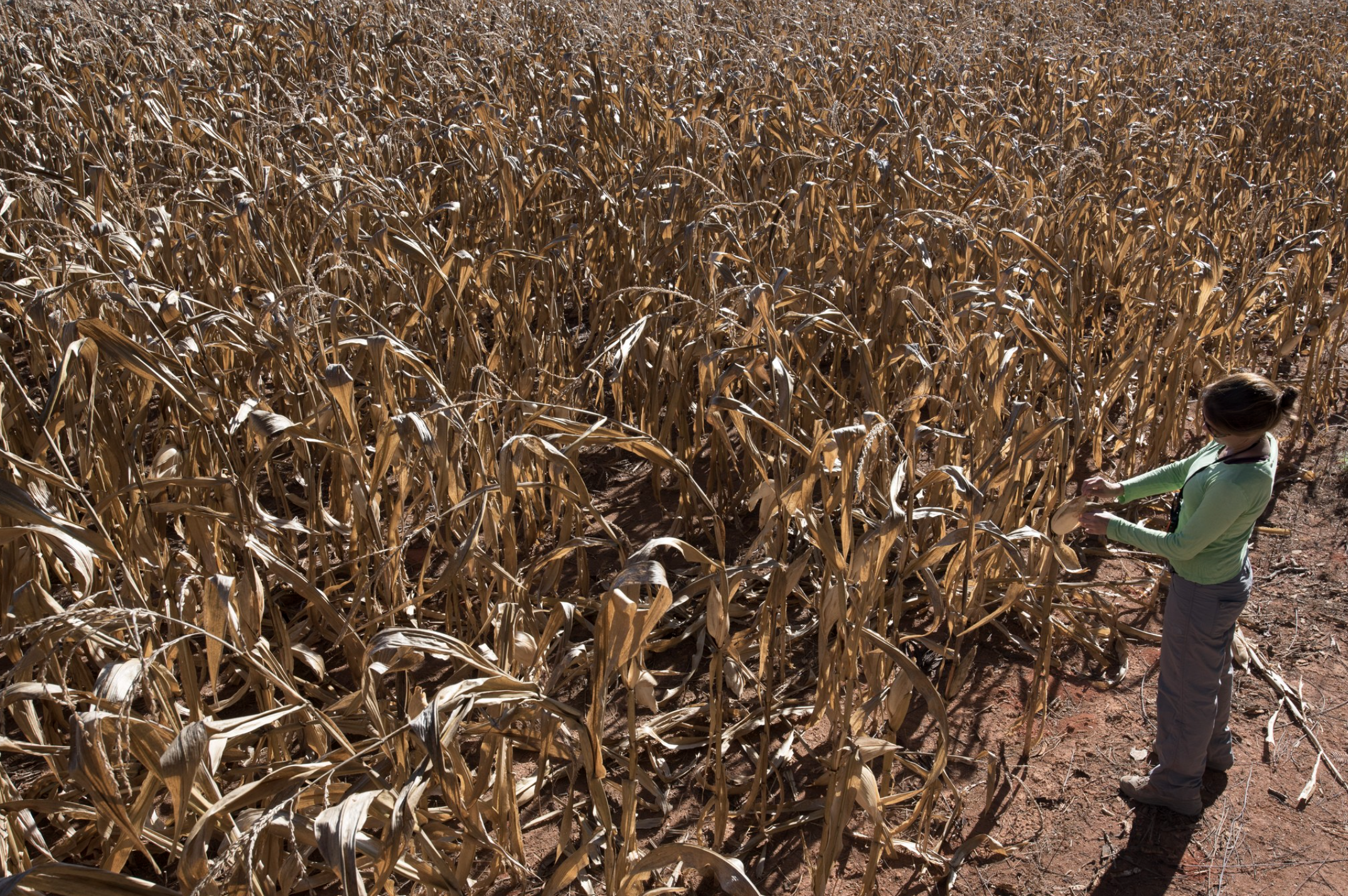
photo by Chris Linder
What Woodwell studies.
Woodwell studies where extreme heat and related climate risks are growing. Our scientists investigate the connections between heat, soil, agriculture, wildfire, ecosystems, and their impact on people, communities and infrastructure.
Putting Our Science To Work.
Woodwell then collaborates with communities and policymakers to identify vulnerabilities, anticipate growing threats, and make informed decisions about how to prepare for extreme heat and its wider impacts.
Stories
Policy Papers
Projects
-
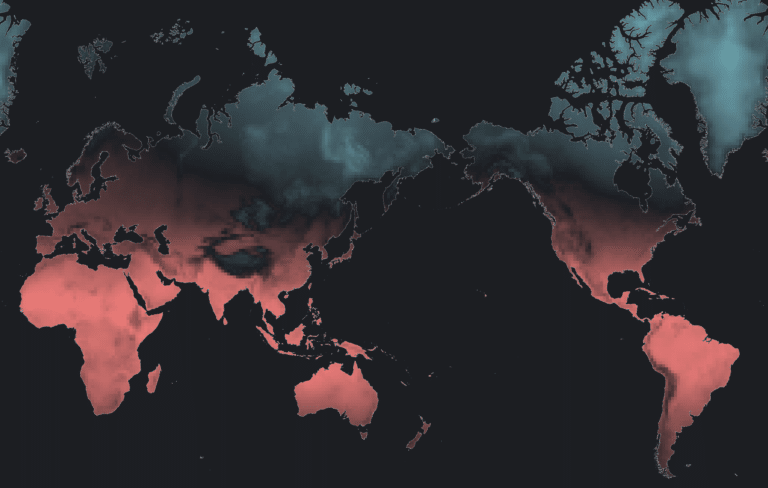
Climate Risk Viewer
View Project: Climate Risk Viewer -

Extreme Weather and Climate Change
View Project: Extreme Weather and Climate Change
Stay up to date on the latest science. Subscribe to our monthly newsletter.
By submitting this form, you are consenting to receive emails from Woodwell Climate Research Center. You can revoke your consent to receive emails at any time by using the SafeUnsubscribe® link, found at the bottom of every email.