
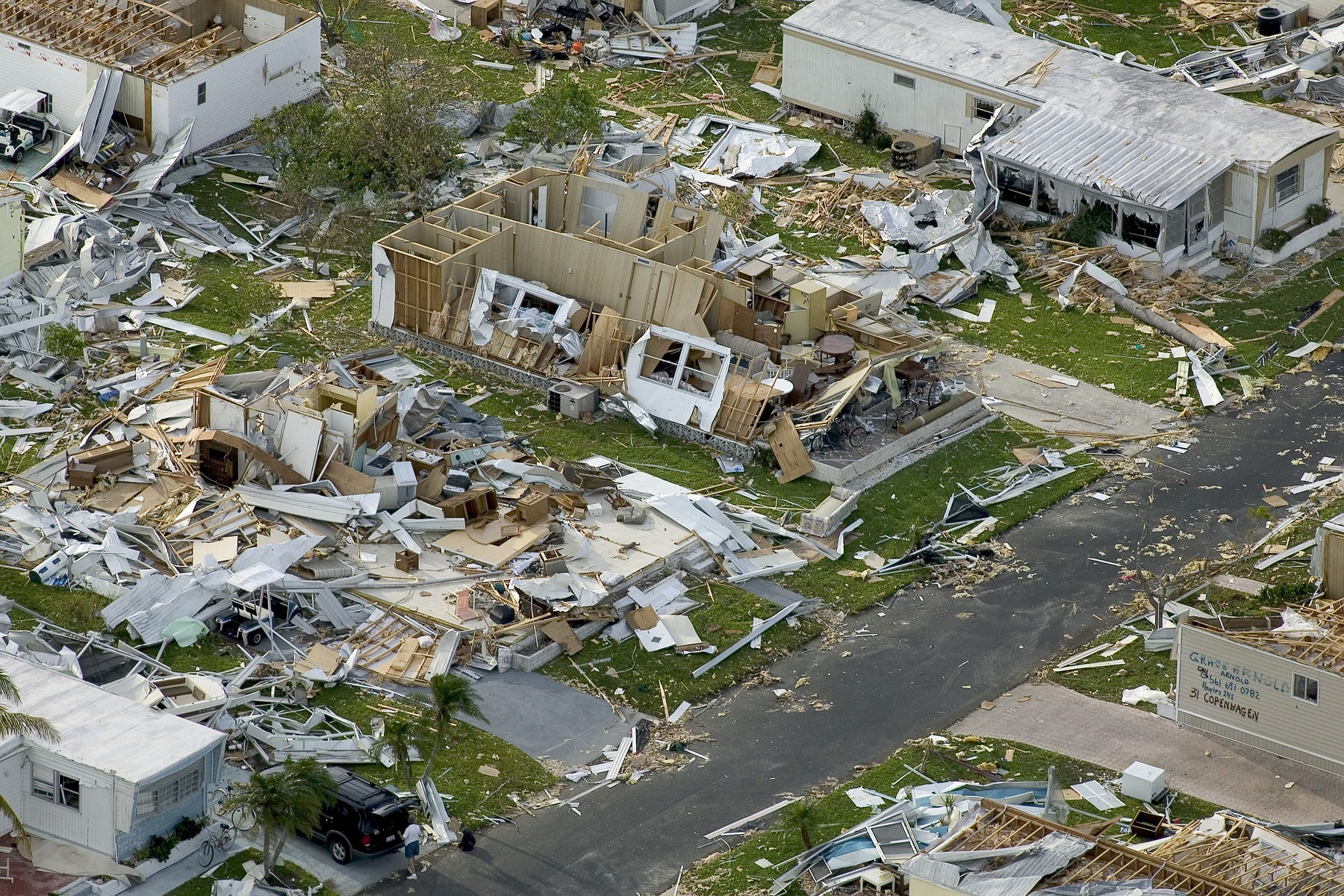
photo by Andrea Booher | FEMA Photo Library


Climate change is already taking a financial toll. From rising insurance premiums and lost income to growing costs for businesses and governments, its effects are reaching into our wallets and putting pressure on entire economies.
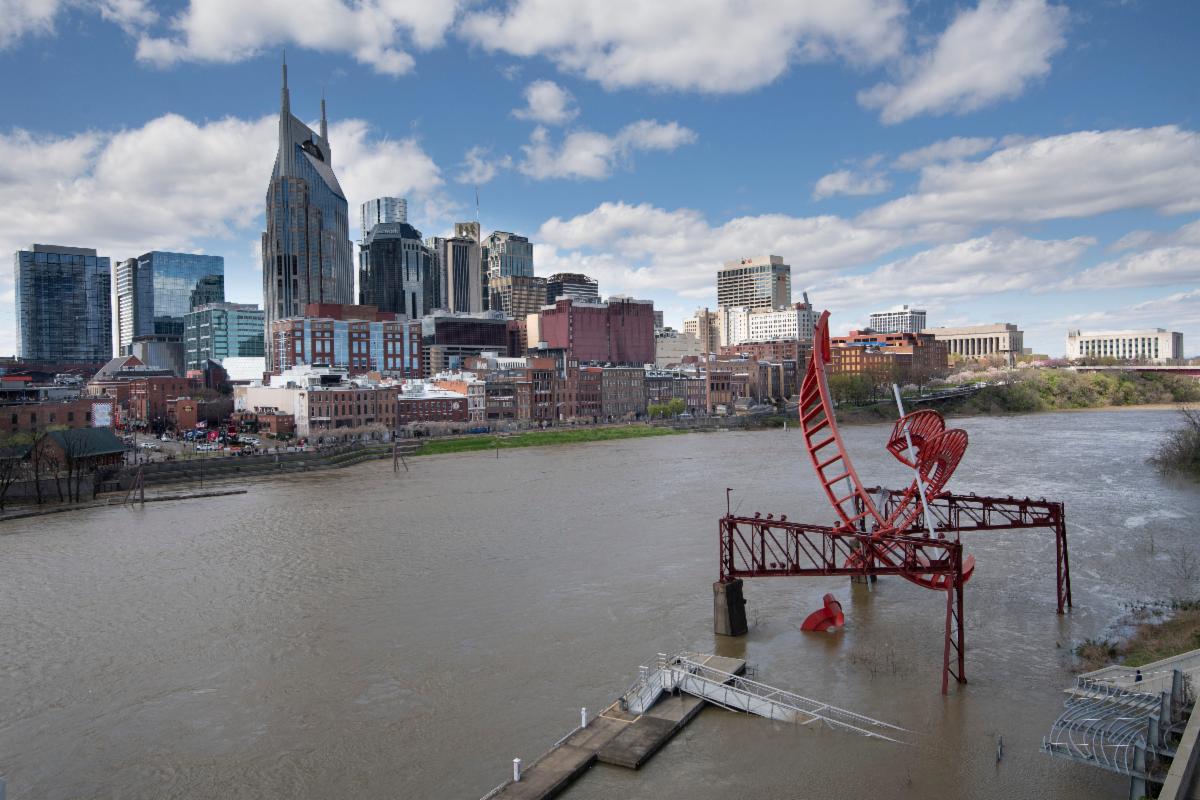
photo by George Walker IV / The Tennessean
Climate impacts have ripple effects. A damaged home or road may be the first visible loss, but the financial consequences rarely stop there. Property values can fall, businesses can lose revenue, supply chains can be disrupted, and governments may need to spend more on recovery while collecting less in taxes.
Because homes, businesses, governments, and global markets are deeply connected, climate disasters can affect people and places far beyond where the damage occurred.
photo by Andrea Booher | FEMA Photo Library
In 2025, natural disasters caused an estimated $224 billion in economic losses worldwide. Insurance covered about $108 billion, leaving more than half uninsured. Weather-related disasters accounted for 92% of these losses.
Not all these losses can be attributed to climate change, but it is making some extreme weather events more frequent or intense, increasing financial risks.
And you pay for it.
For many families, a home is their biggest financial asset. Woodwell has highlighted a growing concern: as extreme-weather risks increase, home insurance can become more expensive—and in some high-risk areas, harder to obtain.
The consequences go beyond higher premiums. Rising insurance costs can also affect property values. One U.S. study estimated that higher insurance premiums reduced home-price growth by more than $40,000 in the areas most exposed to natural disasters.
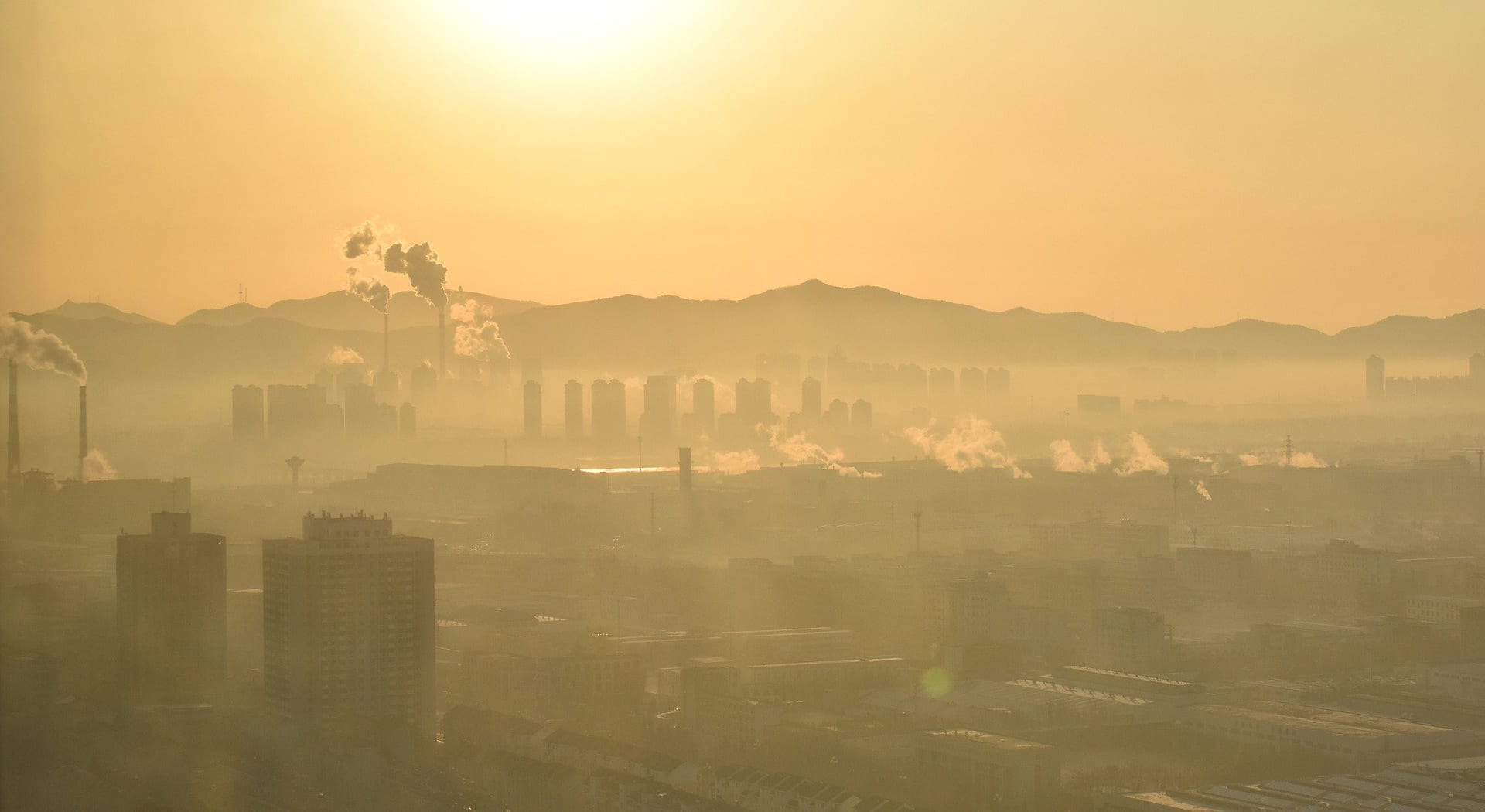
photo by pixabay
Modern economies are deeply interconnected. When extreme heat slows workers or production in one region, businesses thousands of miles away can feel the effects. Economic losses caused by extreme heat can result in downstream effects through global supply chains. In other words, disruption in one place can raise costs, delay goods, and affect businesses far away—even where the heat itself is never felt.
The cost of climate change hits everyone.
When disasters hit, government budgets are affected, too. At the same time that more public money is spent on emergency response, rebuilding, healthcare, and recovery, damage to homes, businesses, and local economies can reduce tax revenue.
This can put public budgets under pressure, leaving less money for essential services, forcing difficult choices about taxes and spending, and sometimes making borrowing more expensive. The financial burden can ultimately affect schools, roads, healthcare, and other services people rely on every day.
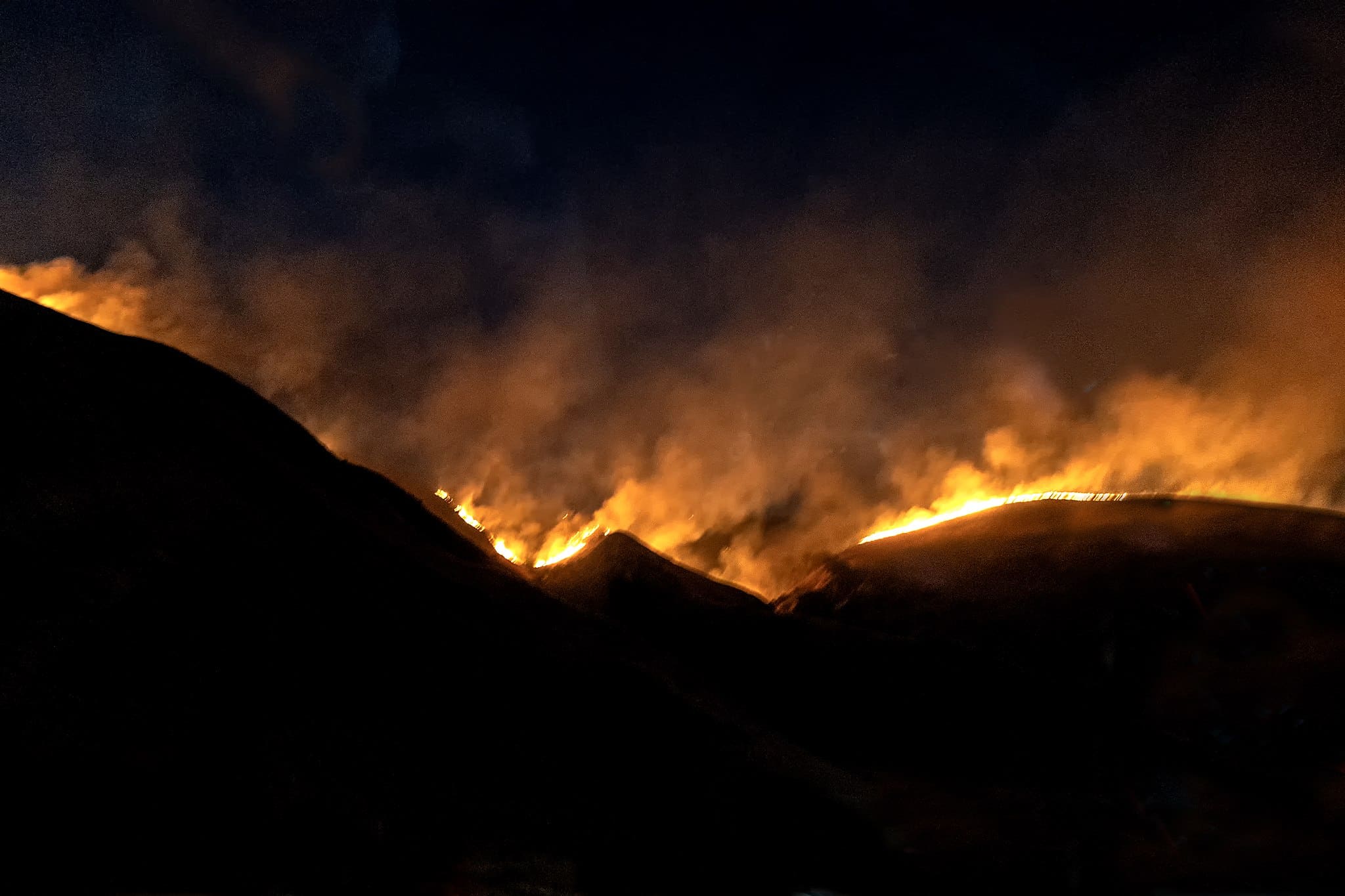
photo by Russ Allison Loar
In 2025, weather-related disasters accounted for 92% of the roughly $224 billion in global losses from natural disasters. Not all of those losses can be attributed to climate change, but human-caused warming is making some types of extreme weather more frequent or intense. For businesses, extreme weather can mean damaged assets, interrupted operations, supply-chain disruptions, and rising costs.
And the financial pressure is expected to grow. For 1,200 of the world’s largest publicly traded companies, annual costs from physical climate risks are projected to reach about $885 billion in 20230s and 1.2 trillion in the 2050s without adaptation.
Understanding where those risks are building—and acting before they become losses—is increasingly important for protecting operations, investments, and long-term resilience.
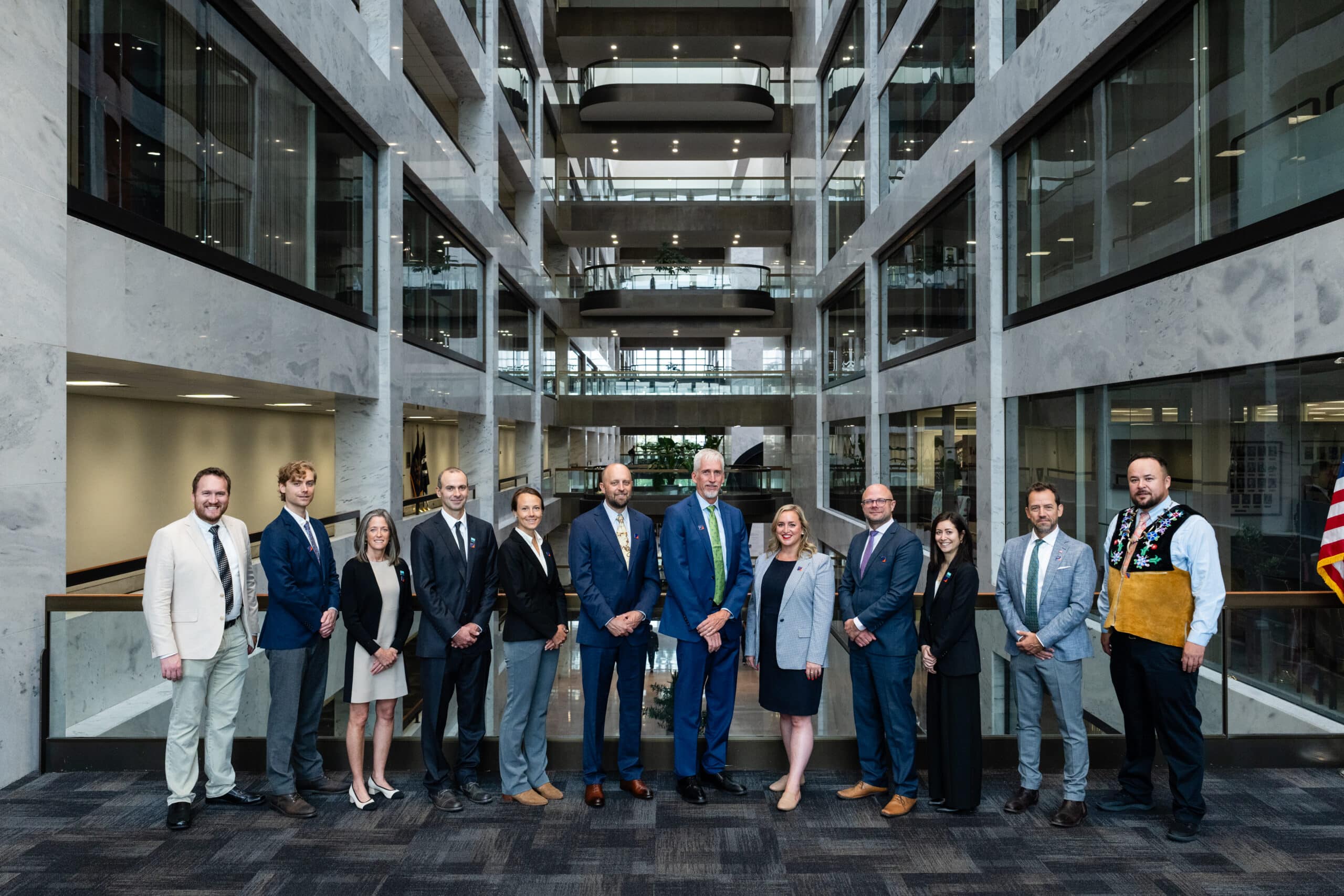
photo by Eric Lee
Woodwell studies how climate hazards affect property, infrastructure, and economic activity, and how those impacts can translate into financial losses. By examining what is exposed and how vulnerable it is, our research helps reveal economic risks that might otherwise go unrecognized.
Translating Science Into Solutions
We work with communities, businesses, investors, and policymakers to bring this knowledge into insurance policy, investment choices, and adaptation planning. This helps decision-makers weigh their options, prepare for future costs, and identify opportunities to reduce financial risks.