photo by Pixabay


Rising seas and heavier rainfall are changing where and how often flooding occurs. In many places, water is reaching areas that rarely flooded before, putting more homes, livelihoods, and essential services at risk.
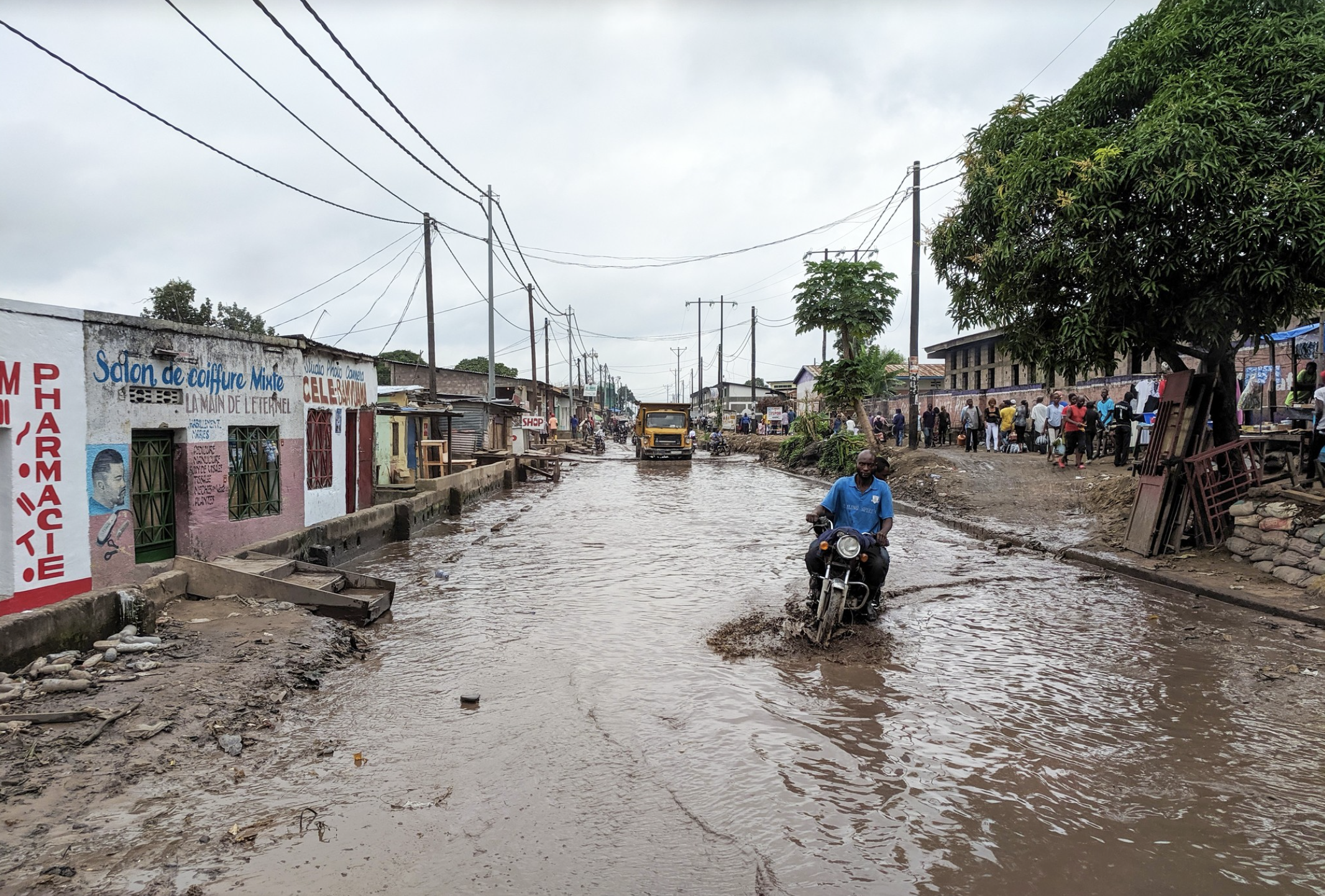
photo by Nolan Kitts
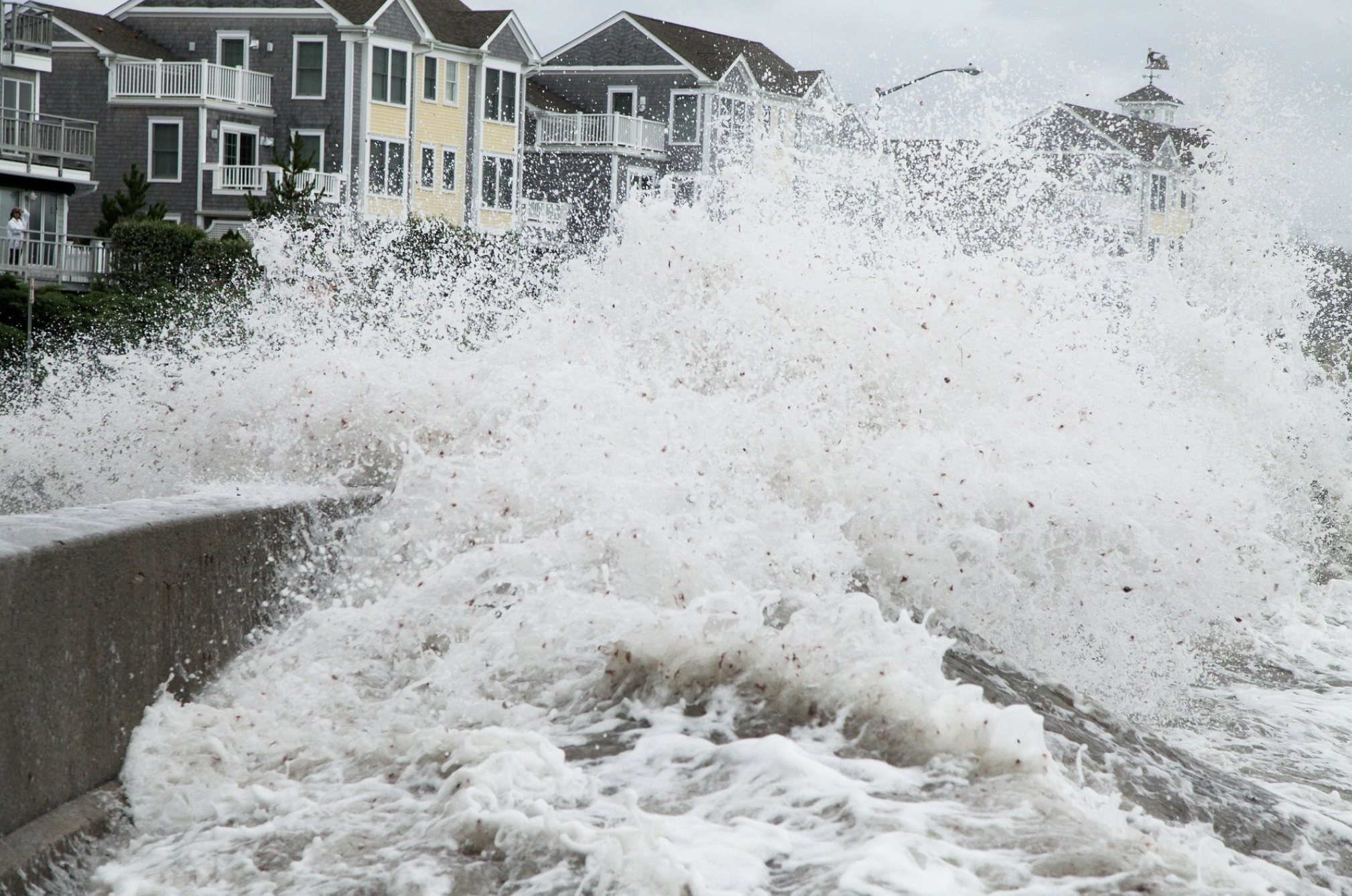
Climate change is reshaping flood risks in different ways. Along coastlines, rising seas mean that high tides can flood streets even without a storm, while storm surges can push water farther inland.
A warmer atmosphere also holds more moisture, contributing to heavier downpours. When too much rain falls at once, drainage systems can be overwhelmed, and rivers can overflow, flooding streets and communities, even far from the coast.
photo by Pixabay
Coastal flooding is becoming much more common. Through Woodwell’s Just Access initiative, a climate risk assessment for Chelsea, Massachusetts, found that a storm surge that historically had about a 1-in-100 chance of occurring in any given year could happen at least once a year by around 2080. This is part of a much wider trend. A 2026 global study found that human-caused sea level rise has made historically rare extreme coastal water levels about four times more likely since 1900.
Rising seas also make storms more damaging. During Hurricane Sandy in 2012, researchers estimated that human-caused sea level rise added about $8.1 billion to damages across New York, New Jersey, and Connecticut, bringing floodwater to areas where roughly 71,000 additional people lived.
Flooding doesn’t stop at the coast.
Heavy rainfall can overwhelm streets and drainage systems, cause rivers to overflow, and put inland communities at greater risk.
In eastern Kentucky, Woodwell projects that a rainfall event with about a 1-in-100 chance of occurring in any given year today could become a 1-in-10 event in most counties by the late century. Flooding from such intense rainfall could also be about 2.3 feet deeper on average covering more land.
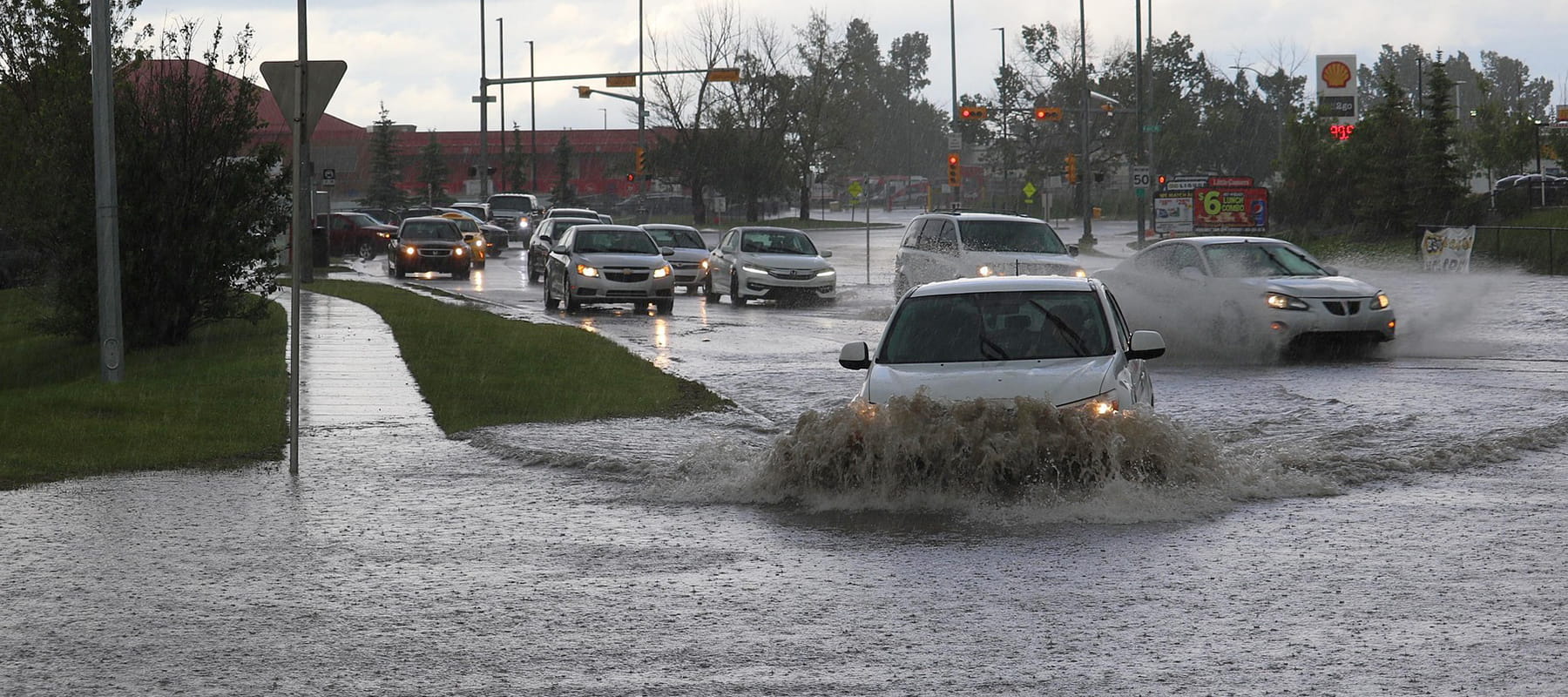
Your home doesn't have to flood for your life to be disrupted. Flooded roads can isolate entire communities, cutting people off from work, schools, health care, and other essential services. A study along the U.S. coast found that the number of people at risk of isolation from flooded roads was 30–90% higher than the number at risk of direct flooding. In some places, people could become isolated decades before their homes are flooded.
Growing flood risk can also increase flood insurance costs, adding financial pressure on homeowners even before disaster strikes.
Flooding can impact your health.
Floodwaters may recede, but the consequences can last much longer. Floods can leave behind contaminated water, damaged homes, and mold, creating health risks and financial strain that persist long after the water is gone. A 2025 study found that flooding was associated with a 26% higher overall risk of hospitalization for injuries, infections, and heart and breathing problems, with effects lasting up to seven months.
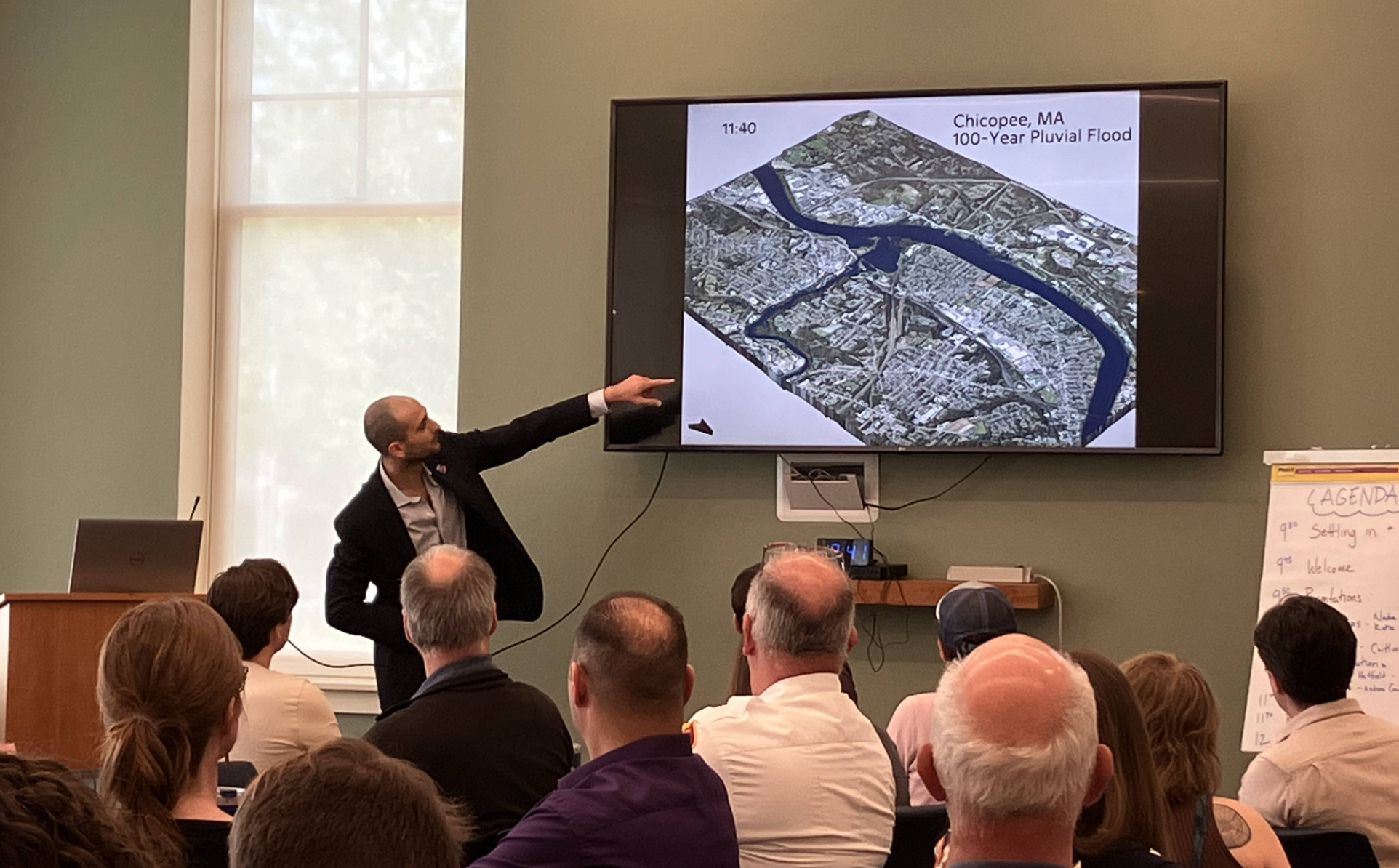
photo by Natalie Baillargeon
Woodwell scientists study how rising seas, heavier rainfall, and local conditions are changing flood risks. Through climate modeling and detailed flood mapping, we examine where flooding could occur, how severe it may become, and which communities and infrastructure are most vulnerable.
Putting flood science to work.
Working with communities and decision-makers, we turn this research into flood risk assessments, maps, and information that support planning and preparedness. Our findings help guide infrastructure investments, inform policies, and identify opportunities to reduce future damage and protect people, property, and essential services.