photo by pixabay


Climate change can uproot families, disrupt livelihoods, and put entire communities at risk. And not everyone has the same ability to respond. Whether people can stay, rebuild, or relocate often depends on the resources and support available to them.
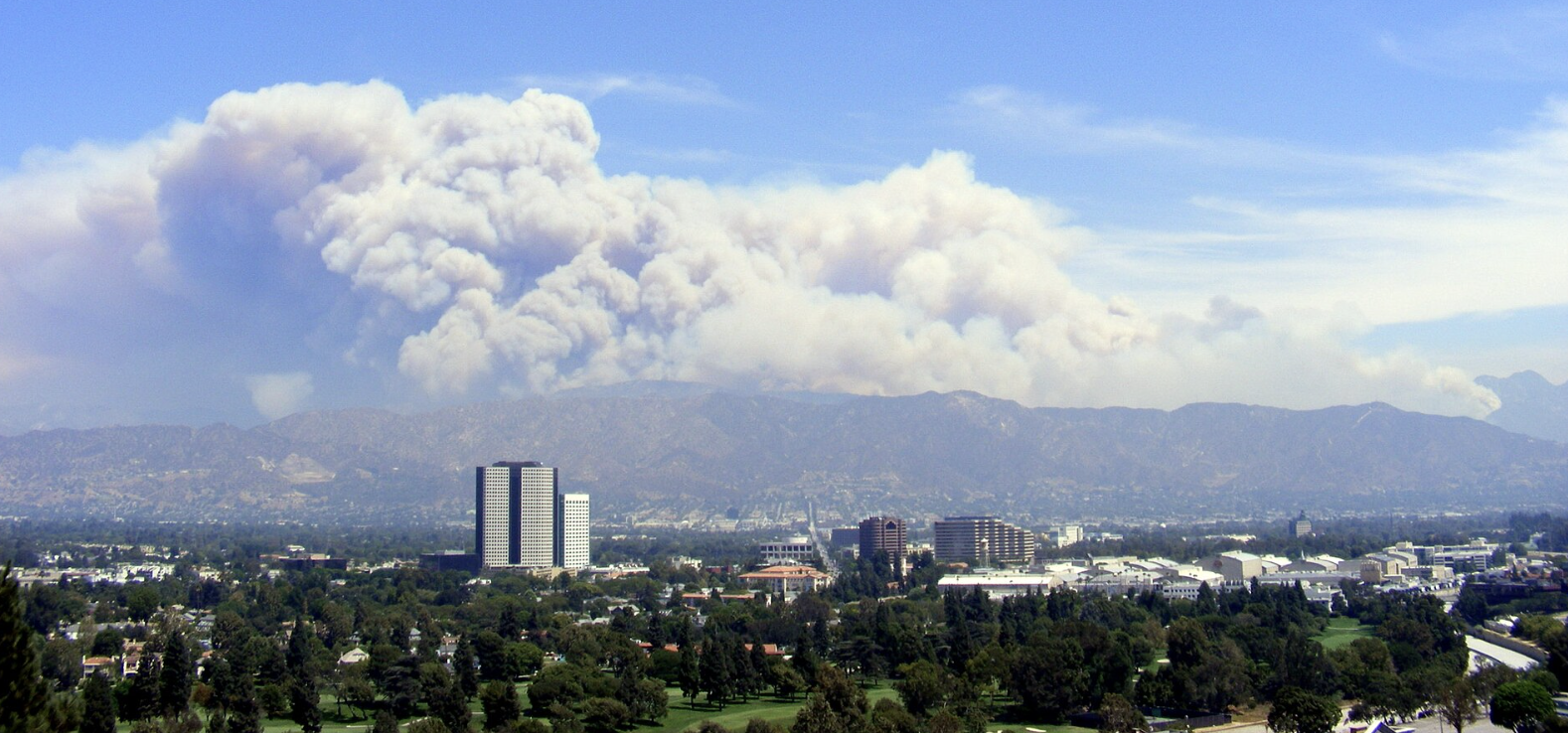
photo by Mathieu Marquer
Climate change is already moving people. Sometimes movement is sudden, when floods, storms, or fires force people from home. Sometimes it builds over years, as land, livelihoods, and essential resources become less reliable. Climate is usually one of several reasons people move. Those with more limited resources may be hit harder, and may also have fewer options to move or recover.
photo by pixabay
In 2024, disasters triggered 11 million displacements in the United States alone—nearly a quarter of the 45.8 million recorded worldwide. Most were linked to major hurricanes that forced mass evacuations. Even in countries with extensive infrastructure and emergency services, disasters can uproot people on an enormous scale.
Inequity can affect recovery.
Leaving danger is one challenge. Returning home and rebuilding is another. Whether people can recover, relocate, or start over elsewhere depends on their financial means, access to housing, and government support. For those with fewer resources, the consequences of a disaster can last long after the immediate danger has passed.
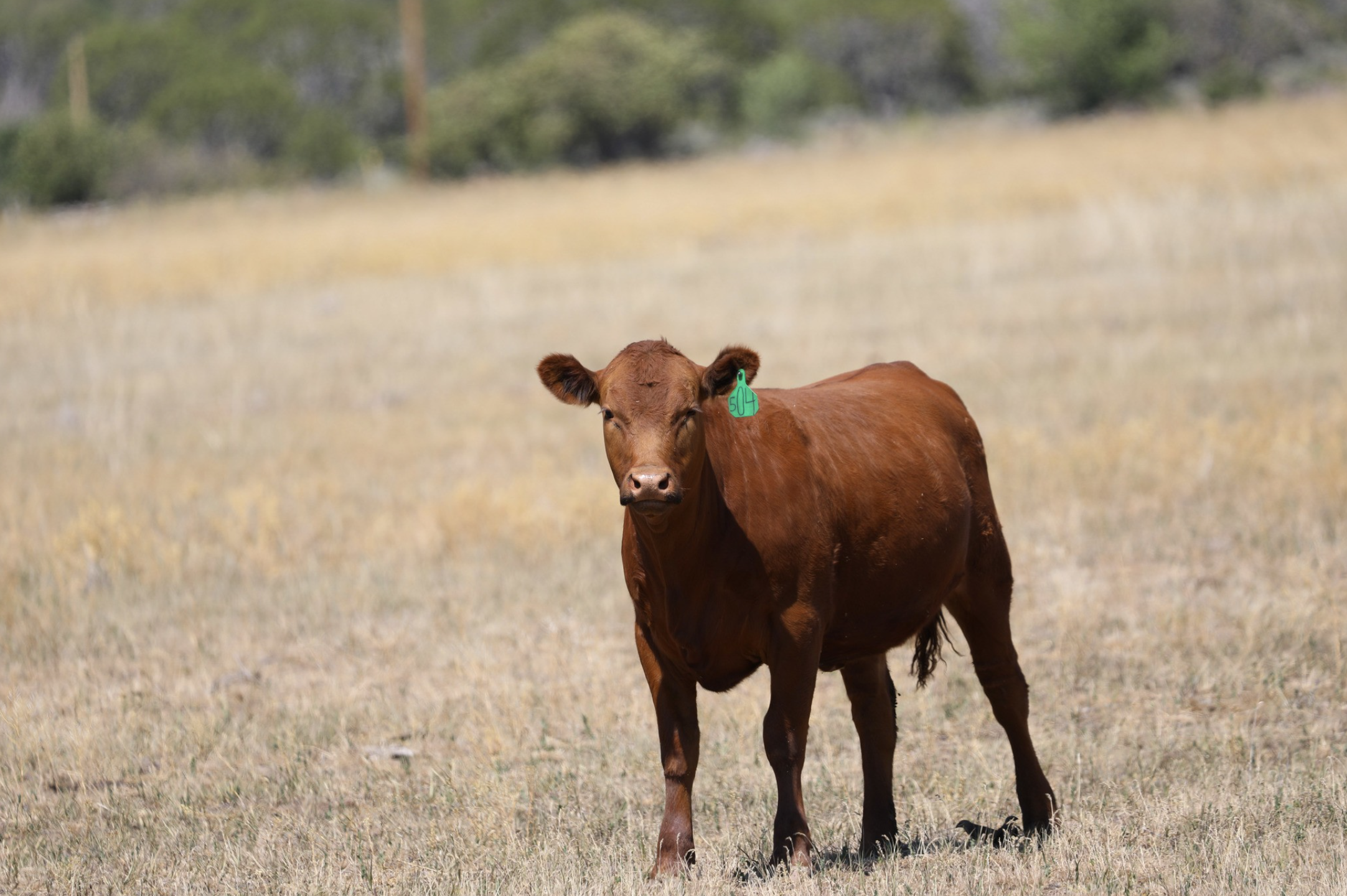
photo by Dave Nagel
When drought, water shortages, and changing environmental conditions make farming, grazing, fishing, and other livelihoods harder to sustain, moving can become one way people adapt.
In Somalia, research found that more than three-quarters of people recorded as moving for environmental reasons between 2015 and 2021 came from areas facing drought, food insecurity, and water shortages for farming. These pressures are rarely the only reason people move, but they can make staying increasingly difficult.
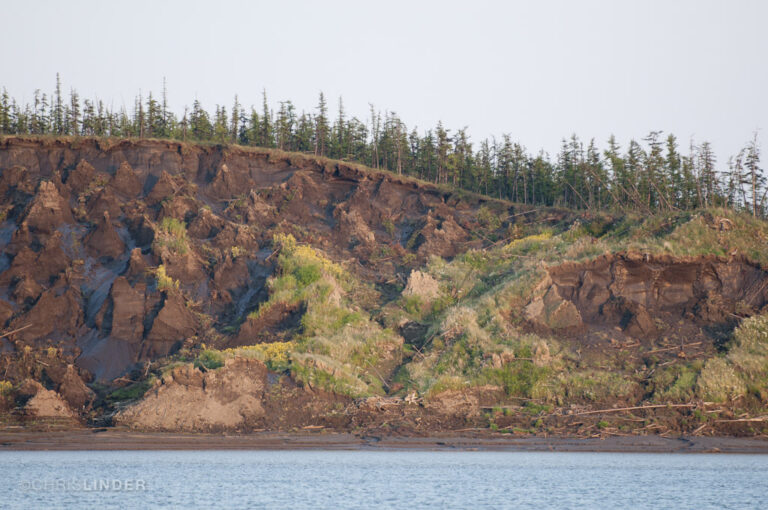
In Alaska, a 2019 assessment identified 144 rural communities facing risks of infrastructure damage from flooding, erosion, or permafrost thaw. Many are Alaska Native villages with deep ties to the land. Some communities face difficult choices about protecting their homes, moving away from the most vulnerable areas, or relocating altogether. These decisions are theirs to make, but relocation is costly, slow, and difficult to fund and includes social and cultural impacts.
Migration is a global problem.
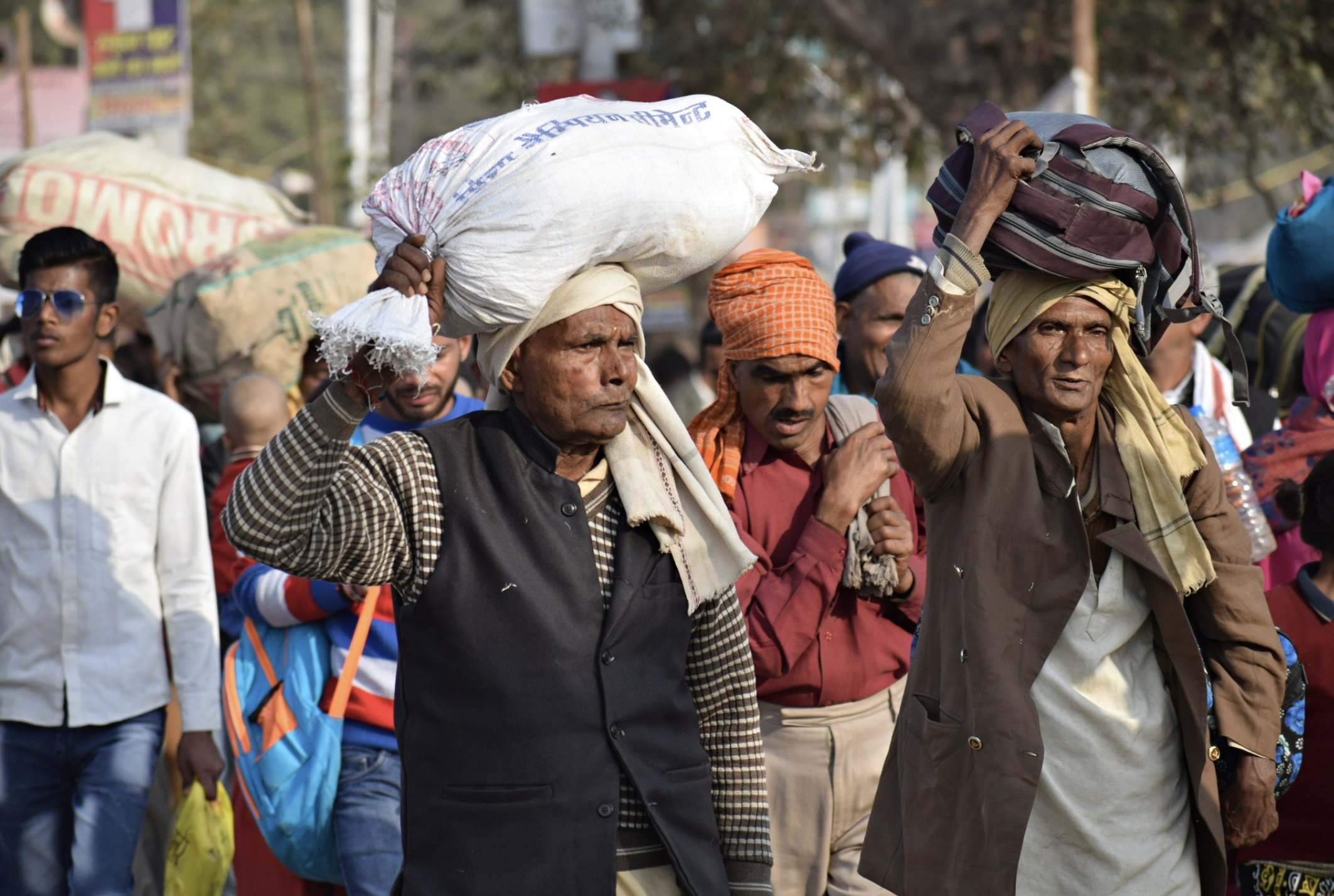
The potential scale of movement is enormous. The World Bank estimates that without stronger action on climate change and development, as many as 216 million people across six world regions could move within their own countries by 2050. While most climate-related migration observed today happens within national borders, when people do cross borders, they most often move to neighboring countries.
Large population shifts can significantly change demand for housing, jobs, infrastructure, and public services. Managing these changes can present challenges not only for families and communities, but also for cities and governments, and may require cooperation between countries.
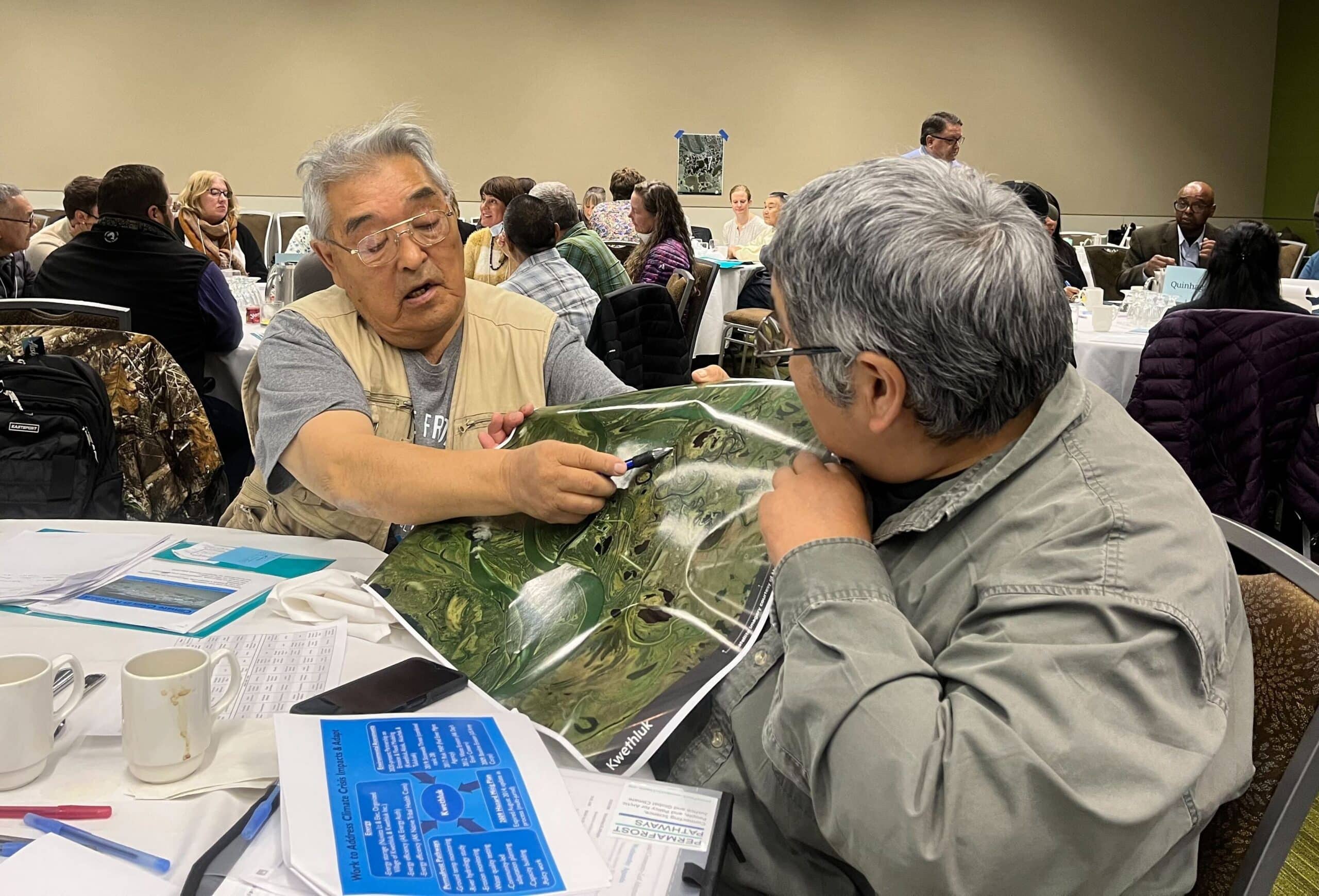
photo by Greg Fiske
Woodwell studies how climate change affects livelihoods, access to food and water, infrastructure, and the stability of communities and regions. Our research examines how these pressures interact with existing social and economic conditions, contribute to displacement, and potentially deepen tensions and instability.
We work with communities and decision-makers to inform adaptation and resilience planning, from community-led decisions about protecting homes or relocating, to national climate risk assessments and security policy. As climate change alters where people can safely live and make a living, the question is not only who moves, but whether affected communities have the rights, resources, and support to shape what happens next.
Who decides what comes next matters.
As climate change alters where people can safely live and make a living, the question is not simply who moves. Affected communities also need the resources, rights, and support to decide what happens next.
For some people, the challenge is the opposite: they may need to leave but lack the resources or support to do so, leaving them exposed to ongoing or worsening risks.