photo by Chris Linder


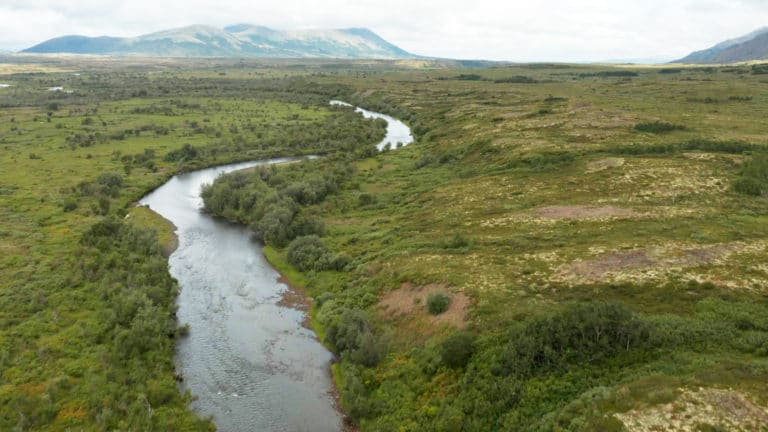
A forest does not exist in a vacuum. Its functions affect local and regional water cycles and climate systems. A river carries the imprint of the land through which it flows. Native vegetation can affect carbon storage, rainfall, water availability, biodiversity, and food production simultaneously. Because land, water, and living systems are interconnected, managing one part of a landscape can create benefits—or tradeoffs—somewhere else.
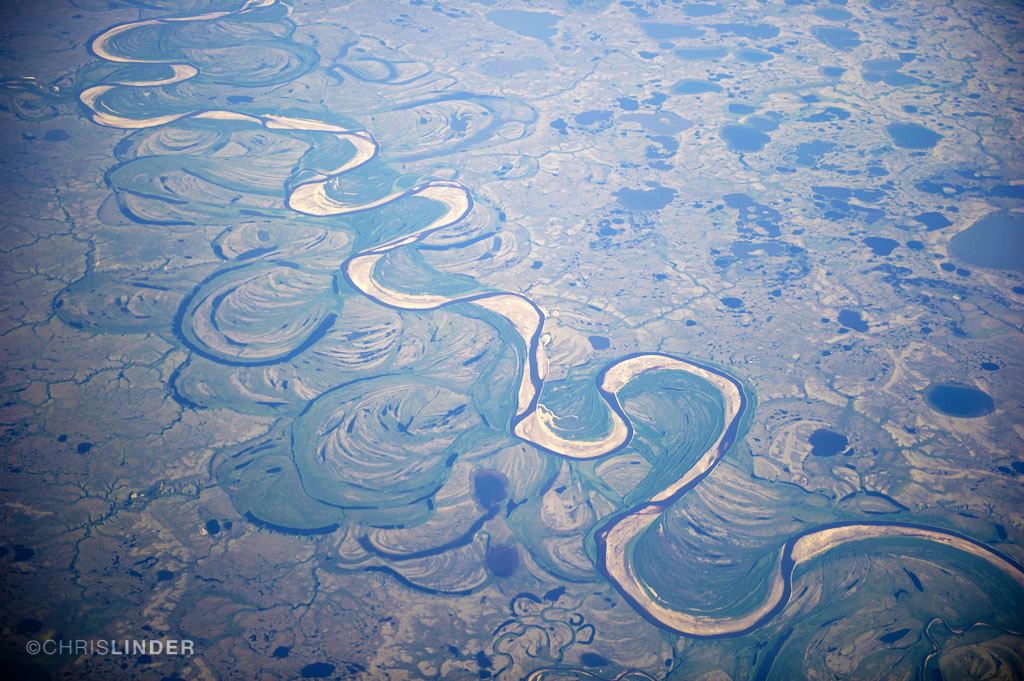
photo by Chris Linder
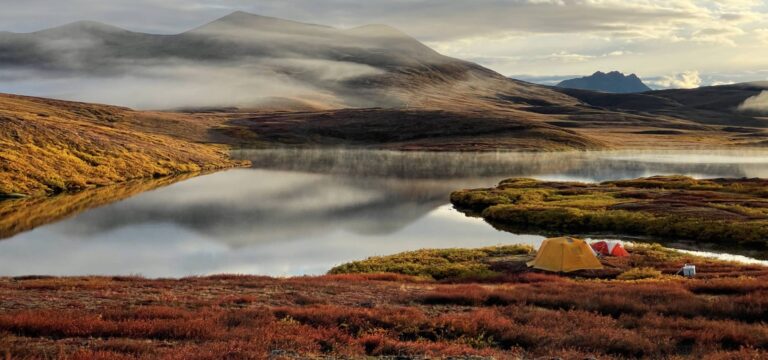
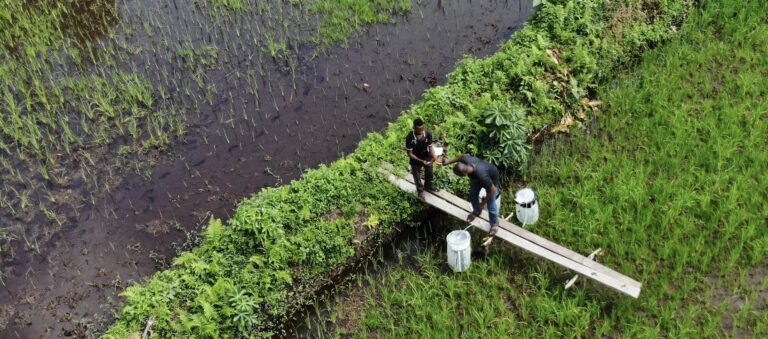
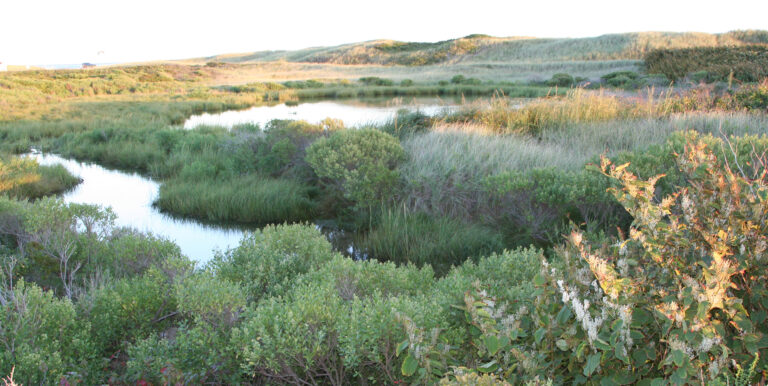
Woodwell studies these connections so they can be factored into real-world decisions. Across tropical forests, rivers and wetlands, croplands and rangelands, and Arctic and boreal ecosystems, our science helps reveal where protection matters most, where restoration is possible, and how land and water can be managed for lasting benefits.
Understanding how ecosystems function, respond to change, and recover from disturbance is essential to making informed choices.
photo by Chris Linder
All three are needed, but they are not interchangeable.
High-integrity ecosystems store carbon, support biodiversity, help regulate water cycles, and provide other benefits that are challenging, slow, and maybe impossible to restore once lost. That is why protecting these ecosystems—like mature and old-growth forests—is not interchangeable with restoring them later.
Degraded landscapes can regain important functions, but restoration can take decades or longer and can be set back by fire, climate change, or mismanagement. On working lands, farmers and ranchers face another challenge: maintaining production while protecting the health of the soils, water, and air that production depends on.
Woodwell evaluates what potential management approaches can deliver in practice. Do forests recover as expected following fire? Can regenerative agricultural practices maintain yields while improving soil health? Are the social, economic, and/or climate benefits associated with any management strategy real and durable?
Identifying solutions supported by science—rather than only documenting problems—is central to our work.
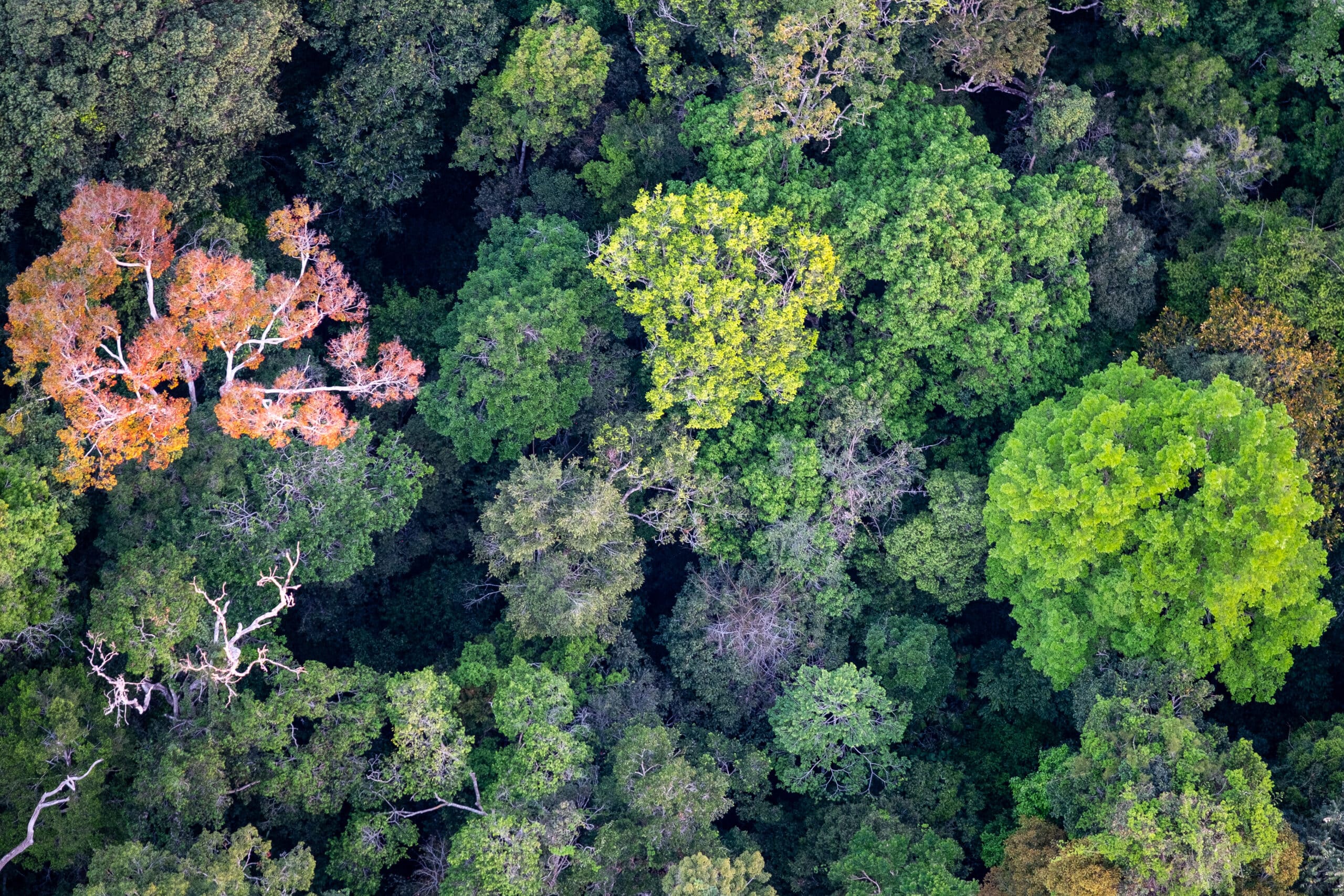
photo by Paulo Brando
Some of Woodwell's most meaningful insights come from observing a landscape long enough to understand how it responds to change.
At field sites across tropical, Arctic, and temperate ecosystems, decades of research provide a rare window into how these ecosystems have been altered over time.
At Tanguro Field Station in Brazil, field research is paired with satellite observations and modeling to track the impacts of farming and fire on soils, water, biodiversity, and climate.
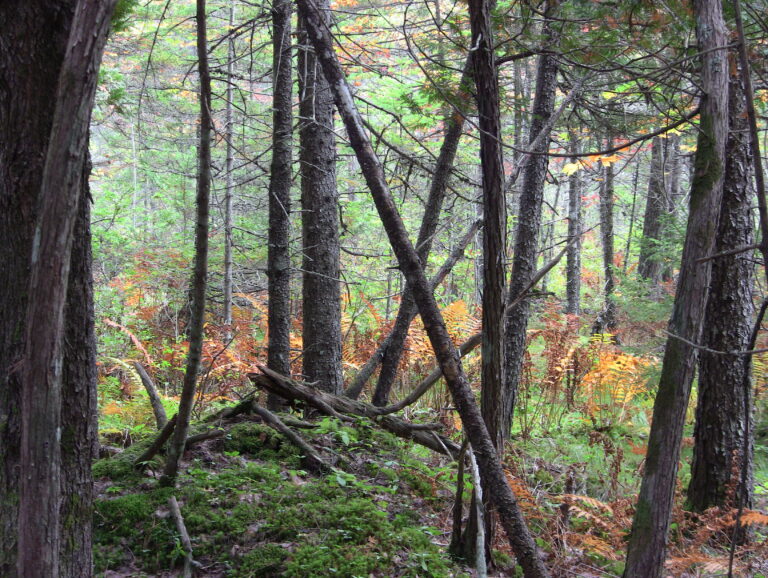
At Howland Research Forest in Maine, long-term measurements of vegetation, soils, temperature, moisture, and carbon exchange help researchers understand how a mature spruce–hemlock forest takes up and stores carbon, and assess how its carbon balance responds to climate variability and change.
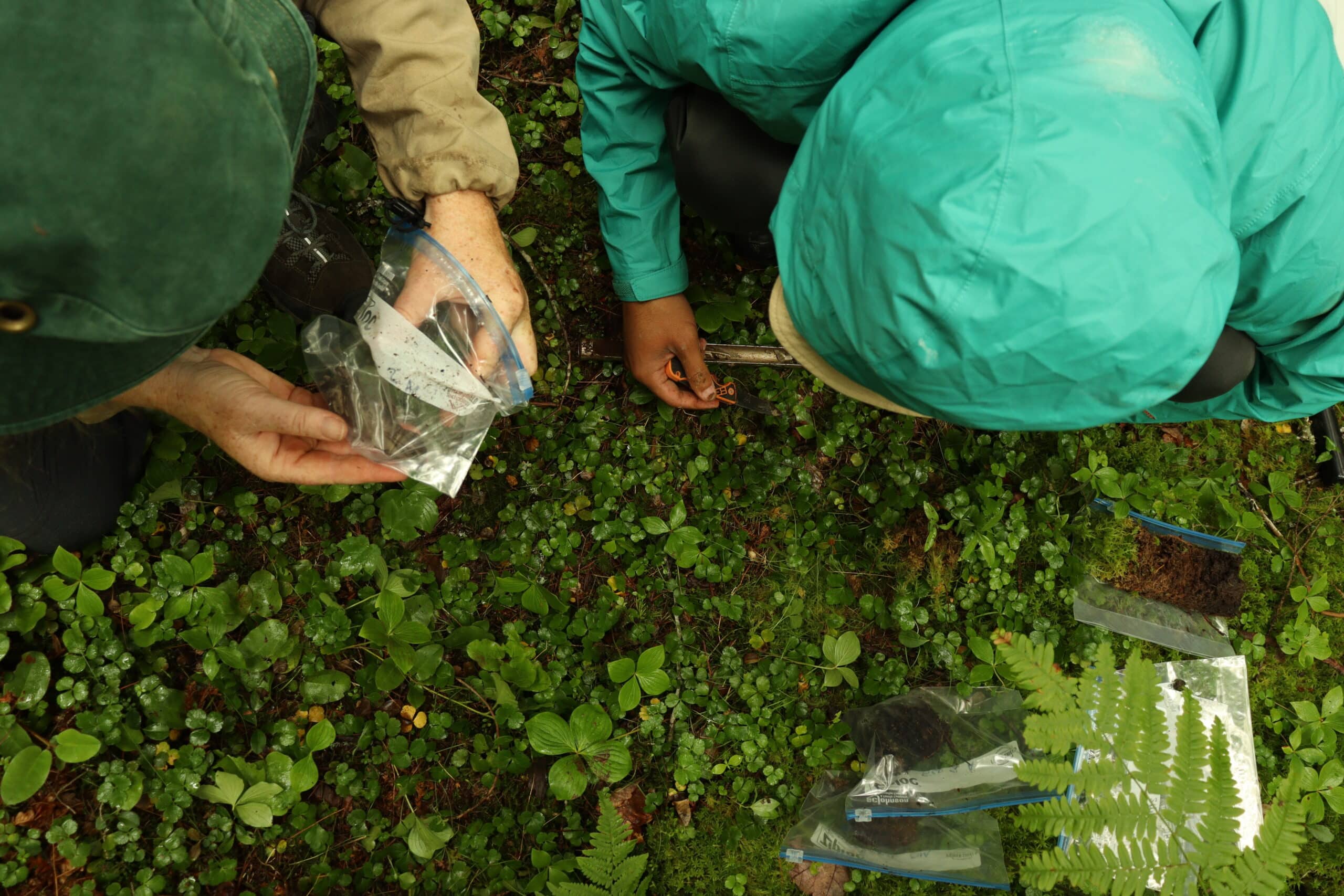
photo by Jonathan Kopeliovich
Other Woodwell work seeks to understand the interrelationship of all the elements within a specific ecosystem.
Our EVOME Institute project studies how species and their environments interact across Arctic streams, tundra, and boreal forests, and how those connections shape ecosystem resilience as the climate warms.
This work is part of Woodwell’s wider effort to understand how natural systems respond to pressure, what helps them endure, and where action can help sustain or recover their ecological functions.
Bringing that understanding into real-world decisions is how Woodwell turns long-term science into impact.