
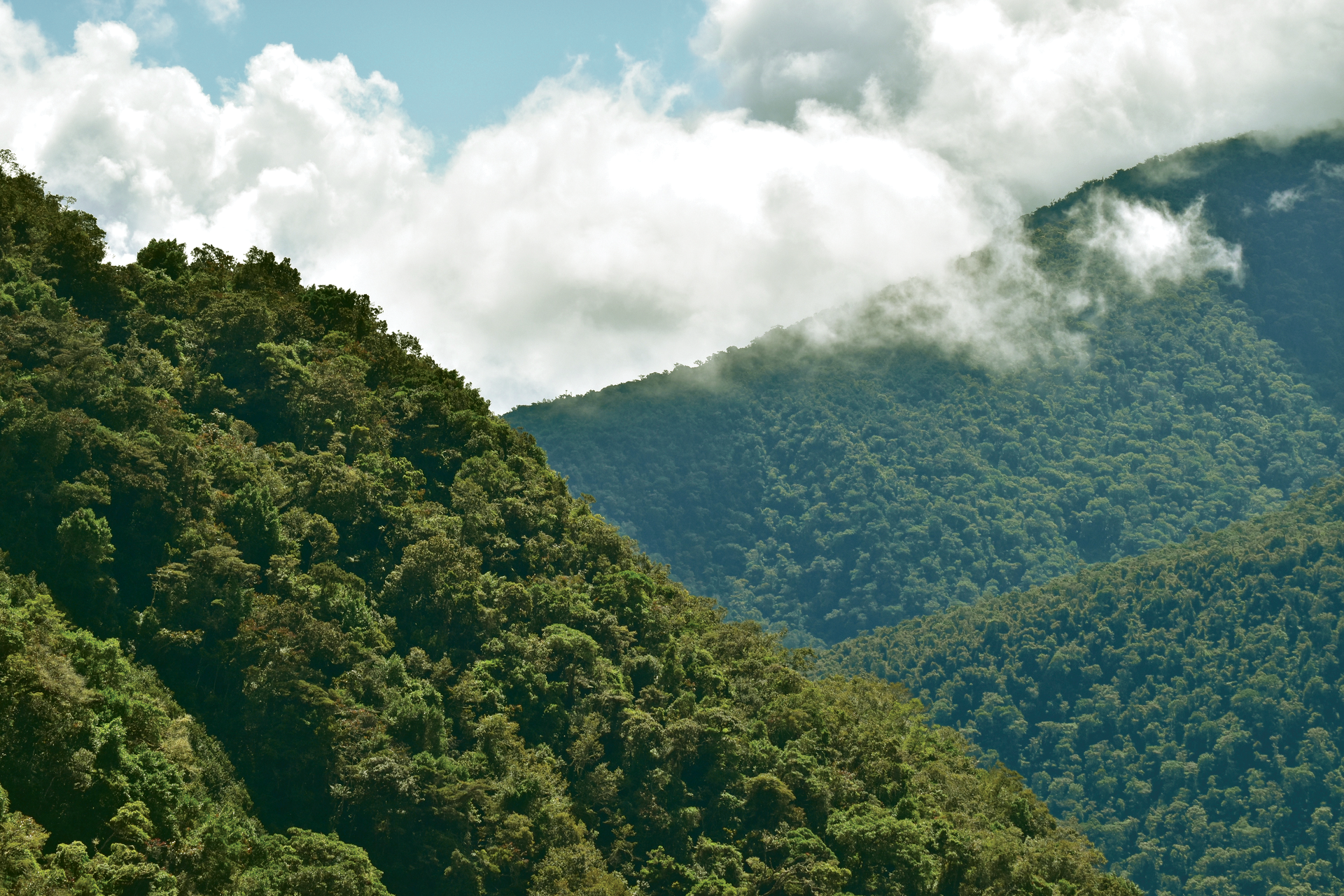
photo by Zander Nassikas


Forests store vast amounts of carbon, helping regulate Earth's climate. They also cool the land, shape rainfall, protect water supplies, and sustain biodiversity and livelihoods. When forests are lost or degraded, we lose far more than trees.
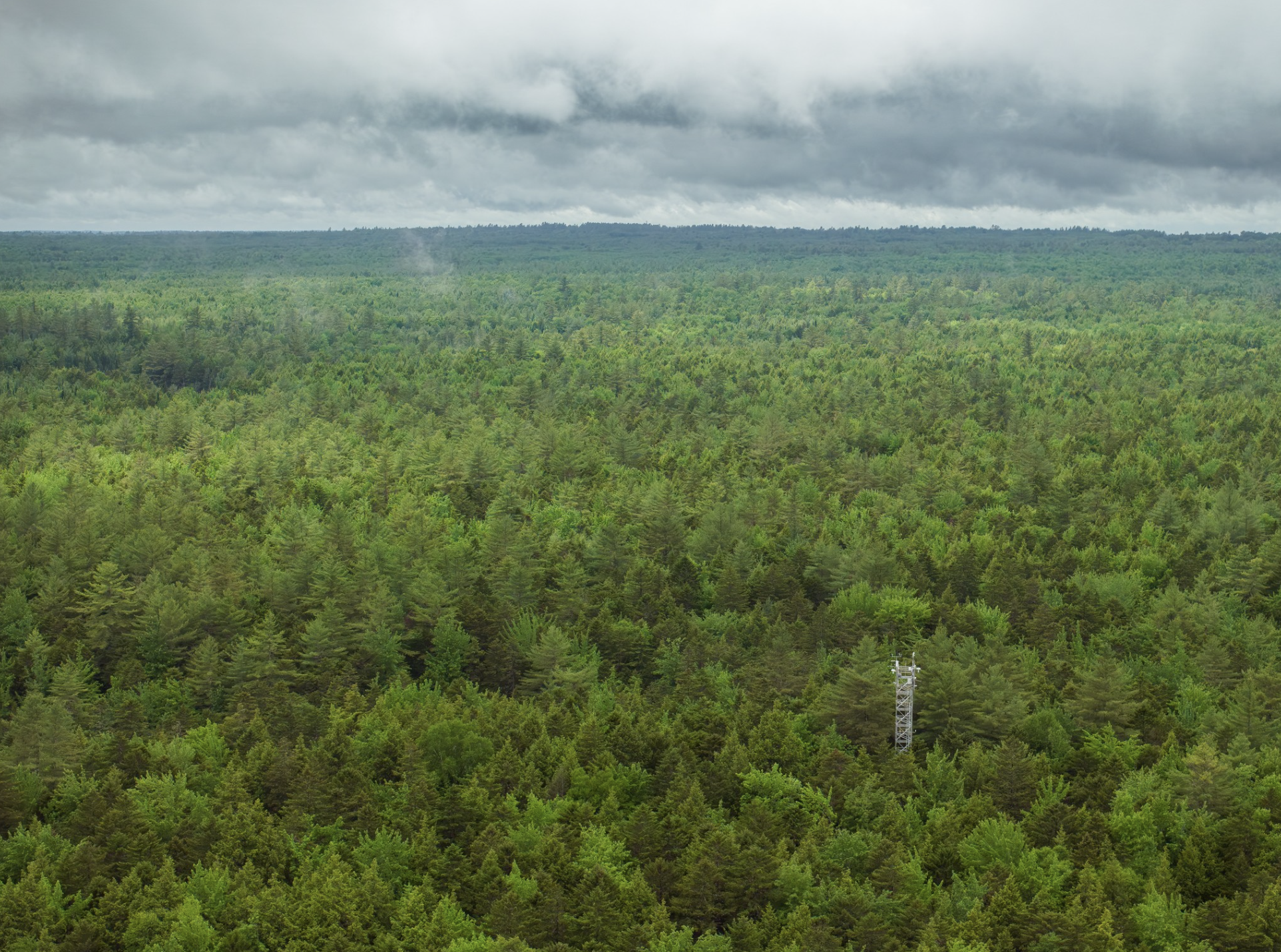
photo by Charlie Nutting
Step into a forest, and you enter a world of invisible connections. Beneath your feet, within the trees, and throughout the canopy, countless forms of life interact in ways we rarely see. Water, nutrients, and energy move through this intricate web, linking organisms to one another and to their environment. These relationships shape how forests grow, adapt, and renew themselves, revealing a living system far more complex than what meets the eye.
photo by Zander Nassikas
A forest is an ecosystem defined by the presence of trees, but it includes much more than what grows above ground. From the canopy of treetops to the smaller plants beneath them, the forest floor, and the soil below, forests provide habitats for countless forms of life. Trees, animals, fungi, and microorganisms interact with water, sunlight, nutrients, and each other to sustain this living system.
Forests are constantly changing. Trees grow, compete for resources, and eventually die, making room for new life. Fungi help plants absorb nutrients, while microorganisms break down organic matter, recycling nutrients that support new growth. Fires, storms, and insect outbreaks also shape how forests develop and regenerate.
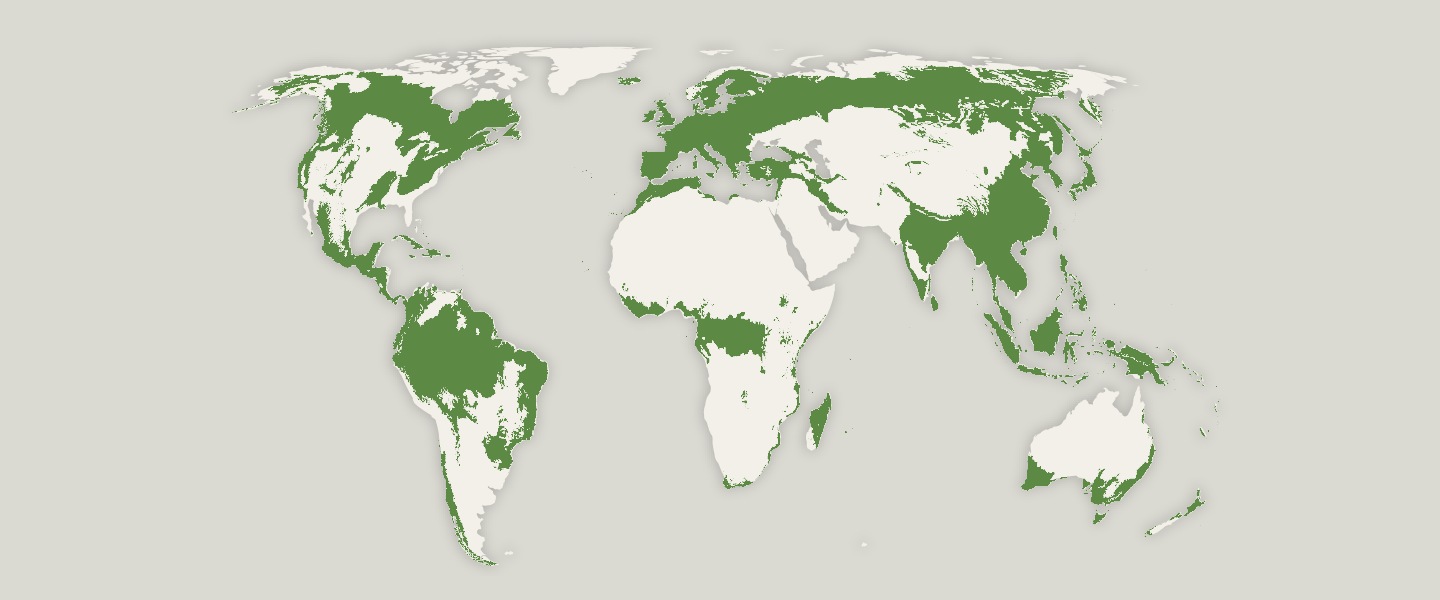
Not all forests look alike. Tropical forests thrive in warm climates and include some of Earth’s richest biodiversity. Temperate forests experience distinct seasonal changes, while boreal forests stretch across northern regions with long, cold winters. Forests also differ in their histories. Primary forests retain largely undisturbed natural processes, while old-growth forests have developed distinctive ecological characteristics over long periods. Others are managed or recovering from disturbance. Each has its own structure, species, and ecological history.

photo by Mitch Korolev
Forests help make Earth livable. They absorb carbon dioxide from the atmosphere and store vast amounts of carbon in trees, deadwood, and soils, helping slow climate change. But their influence goes far beyond carbon. As water moves from the soil through trees and into the atmosphere, forests help cool the land and influence rainfall patterns far beyond their boundaries. They protect soils, provide habitat for countless species, and sustain food systems, livelihoods, and cultural relationships with the land.
Yet the very systems we depend on are under growing pressure. Forests naturally change through fire, storms, insects, and cycles of growth and renewal. But deforestation, fragmentation, rising temperatures, and drought can disrupt these processes in compounding ways: hotter, drier conditions can increase tree mortality and wildfire risk, while also reducing damaged forests’ ability to recover.
When forests are severely degraded or lost, stored carbon can be released, their ability to absorb additional carbon dioxide may decline, and their wider benefits can weaken. Changes in local temperatures, rainfall, water availability, and biodiversity can affect farms, communities, and livelihoods far beyond the forest itself.
Despite this, forests are still often valued more for what can be taken from them than for everything they provide while standing. Woodwell is working to change that.
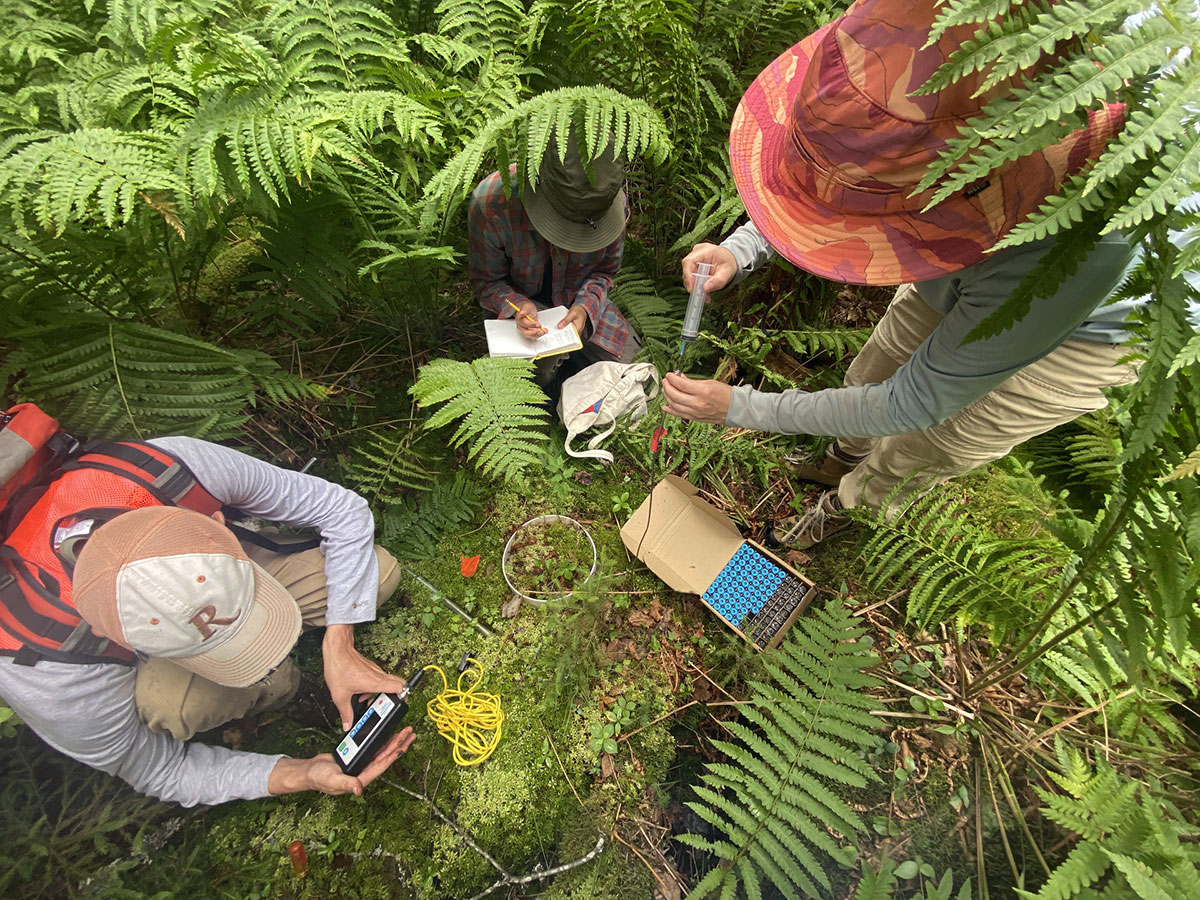
photo by Marly Bartkus
Woodwell puts forest science to work, helping keep forests standing, strengthen those under pressure, and restore those already damaged.
Across tropical, temperate, and boreal forests, our scientists ask connected questions: How are forests changing? What is driving those changes? What is at risk? And how can science inform better decisions about their future?
Keeping forests standing is central to our work. Established forests hold carbon, support biodiversity, and sustain ecological relationships that can take decades or centuries to develop. Planting trees cannot immediately replace these functions. Our research helps identify where protection is most critical, how management can strengthen forests under pressure, and where restoration can rebuild lost ecological functions.
Woodwell measures how forests exchange carbon dioxide and other greenhouse gases with the atmosphere, investigates their influence on water and climate, and tracks the effects of fire, drought, deforestation, and other pressures. Our scientists combine long-term field observations and experiments with satellite data, mapping, and models to understand changes within individual forests and across entire landscapes.
Working with Indigenous Peoples, local communities, researchers, and other partners, we translate this science into monitoring systems, early-warning information, decision tools, and policy analysis. These resources help governments, communities, and other decision-makers recognize the full value of standing forests and make informed choices about their protection, management, and restoration.
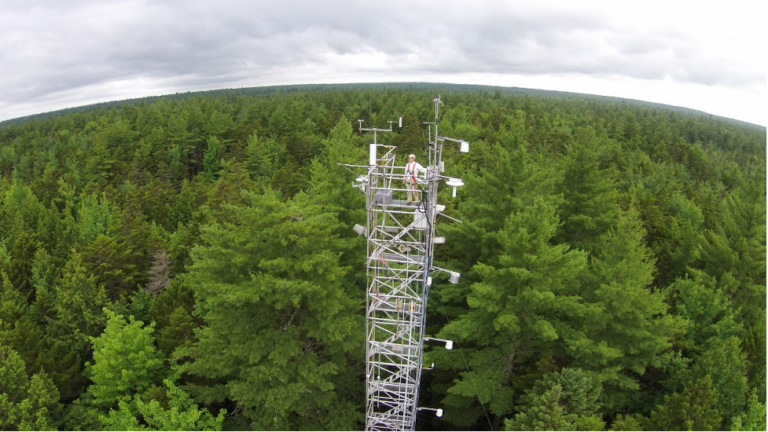
Harnessing the power of methane-consuming microbes
View Project: Flipping the switch on the growing methane problem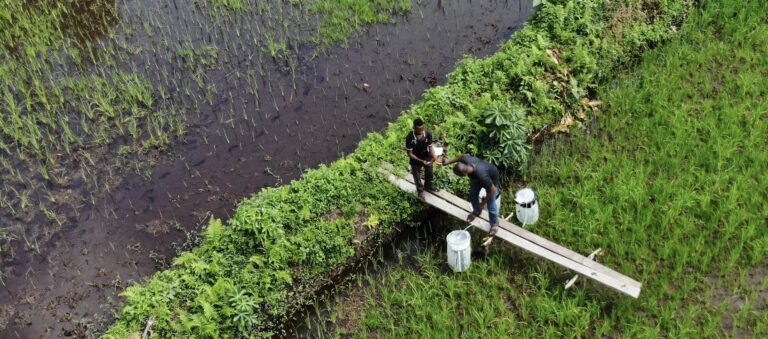
Sustainable landscape management for people and nature in the Democratic Republic of Congo
View Project: Projet Équateur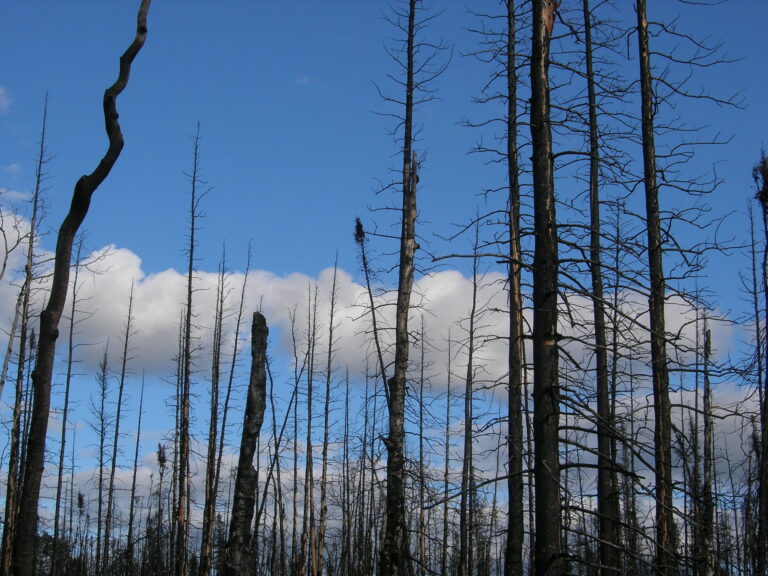
Understanding intensifying boreal fire regimes and their role in driving climate change
View Project: Changing Boreal Fire Regimes
Understanding the biophysical drivers of methane source and sink transitions in a northern forest in Maine.
View Project: Methane Cycling in Northern Forests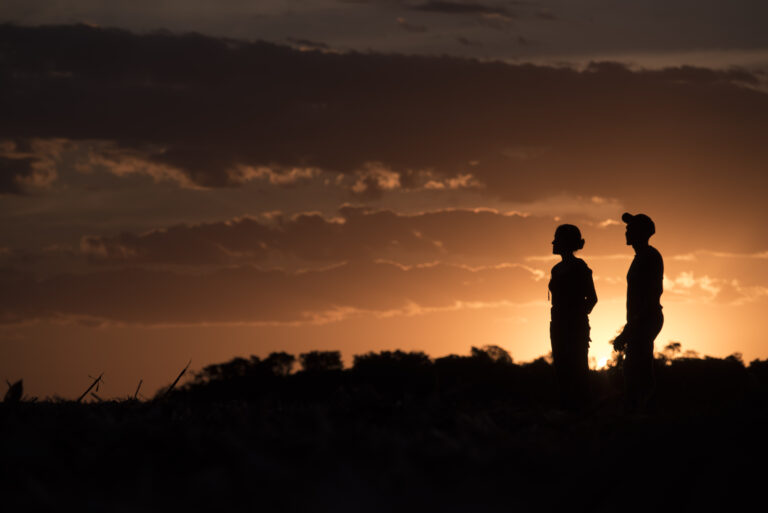
Probing tropical ecosystem dynamics at the world’s largest agricultural frontier
View Project: Woodwell Climate @ Tanguro Field Station