
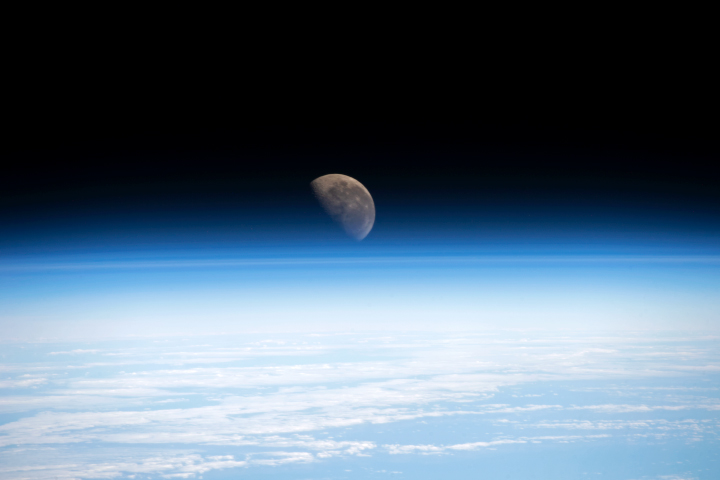
photo by NASA / ISS Expedition 67


The fundamentals of climate change, how we know it’s happening, and what it means for life on our planet.
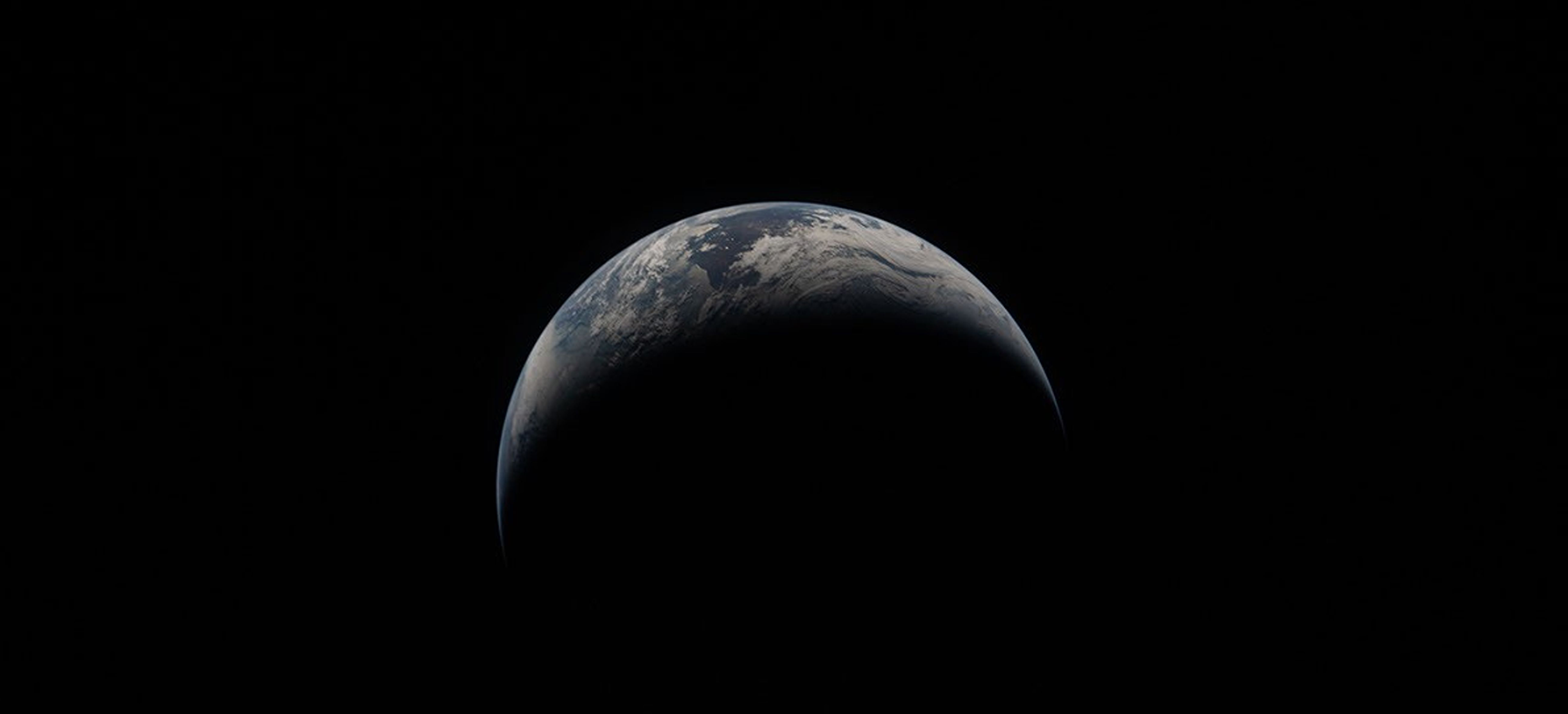
photo by NASA
Weather describes what happens from day to day. Climate describes the patterns we see over decades. For roughly 12,000 years, the Earth’s climate was relatively stable, creating the conditions in which human civilizations developed. Today, human activity is warming the planet at a rate and to temperatures humans have never experienced before. Knowing what’s driving that change is the first step toward figuring out what we can do about it.
photo by NASA / ISS Expedition 67
The greenhouse effect is a natural process that keeps Earth warm enough for life. Greenhouse gases like carbon dioxide and methane trap some of the heat that would otherwise escape into space.
The problem is that burning fossil fuels, deforestation, and other human activities have increased the level of heat-trapping gases by more than half and are continuing to add more, strengthening the greenhouse effect and causing the planet to warm faster.
By 2024, atmospheric carbon dioxide was about 52% higher than before industrialization.
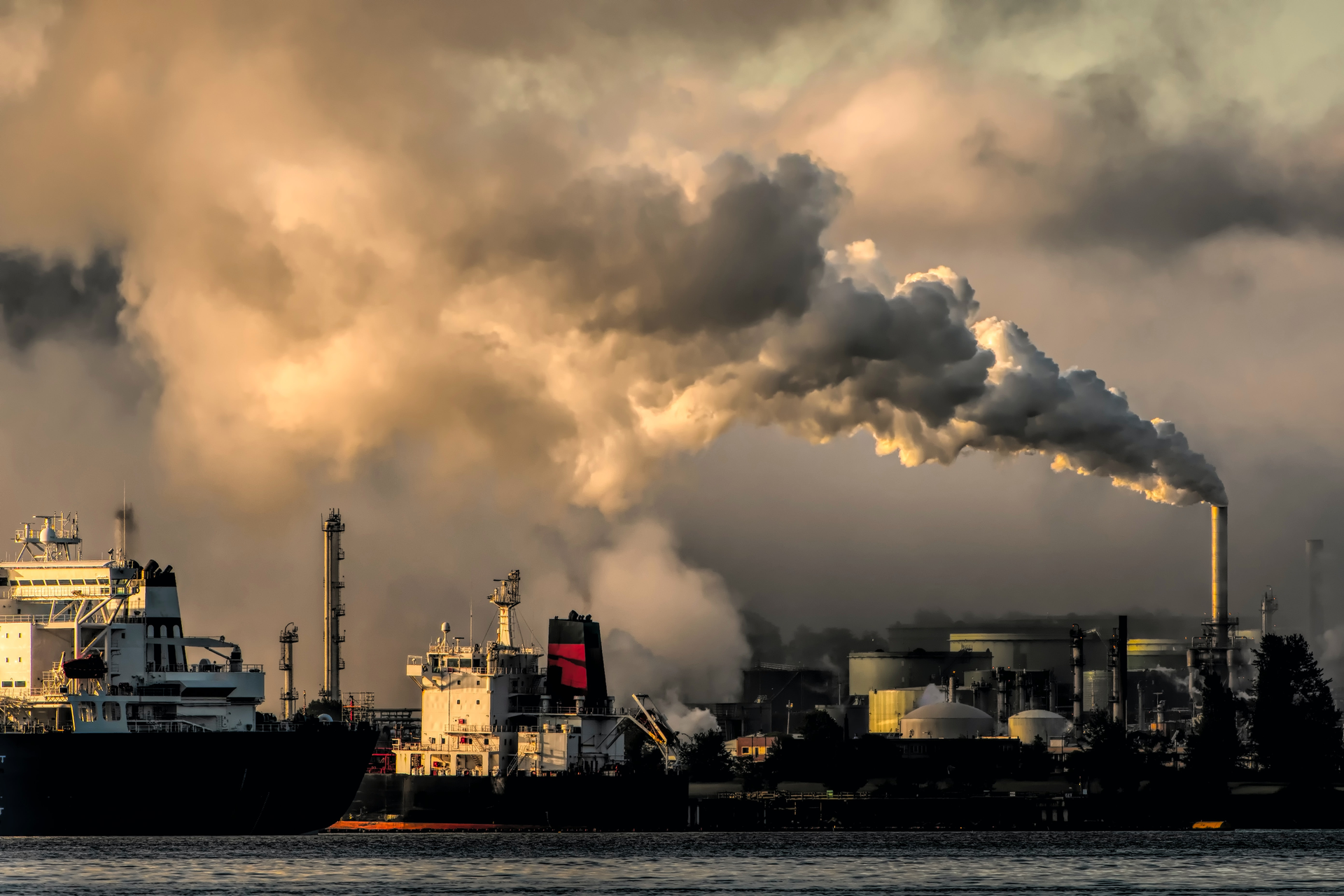
Photo by Unsplash / Chris LeBoutillier
The average global surface temperature over the last ten years was about 2.3°F (1.3°C) warmer than the average 150 years ago. Scientists have tested many possible explanations for the warming we observe. Natural factors, such as changes in the sun and volcanic activity cannot explain the rapid rise in global temperatures.
So how do we know humans are responsible? The evidence comes from several directions.
We know that greenhouse gases trap heat, and we can identify chemical fingerprints showing that much of the additional carbon dioxide in the atmosphere comes from burning fossil fuels.
Climate models provide another important test: when scientists simulate the climate using only natural influences, they cannot reproduce the warming we have observed. But when human influences are included, the models reproduce the overall warming trend.
Together, these lines of evidence have led the Intergovernmental Panel on Climate Change (IPCC), the international body that assesses climate science, to conclude unequivocally that human influence has warmed the atmosphere, ocean, and land.
The average global surface temperature from 2016–2025 was about 2.3°F (1.3°C) warmer than the 1850–1900 average.
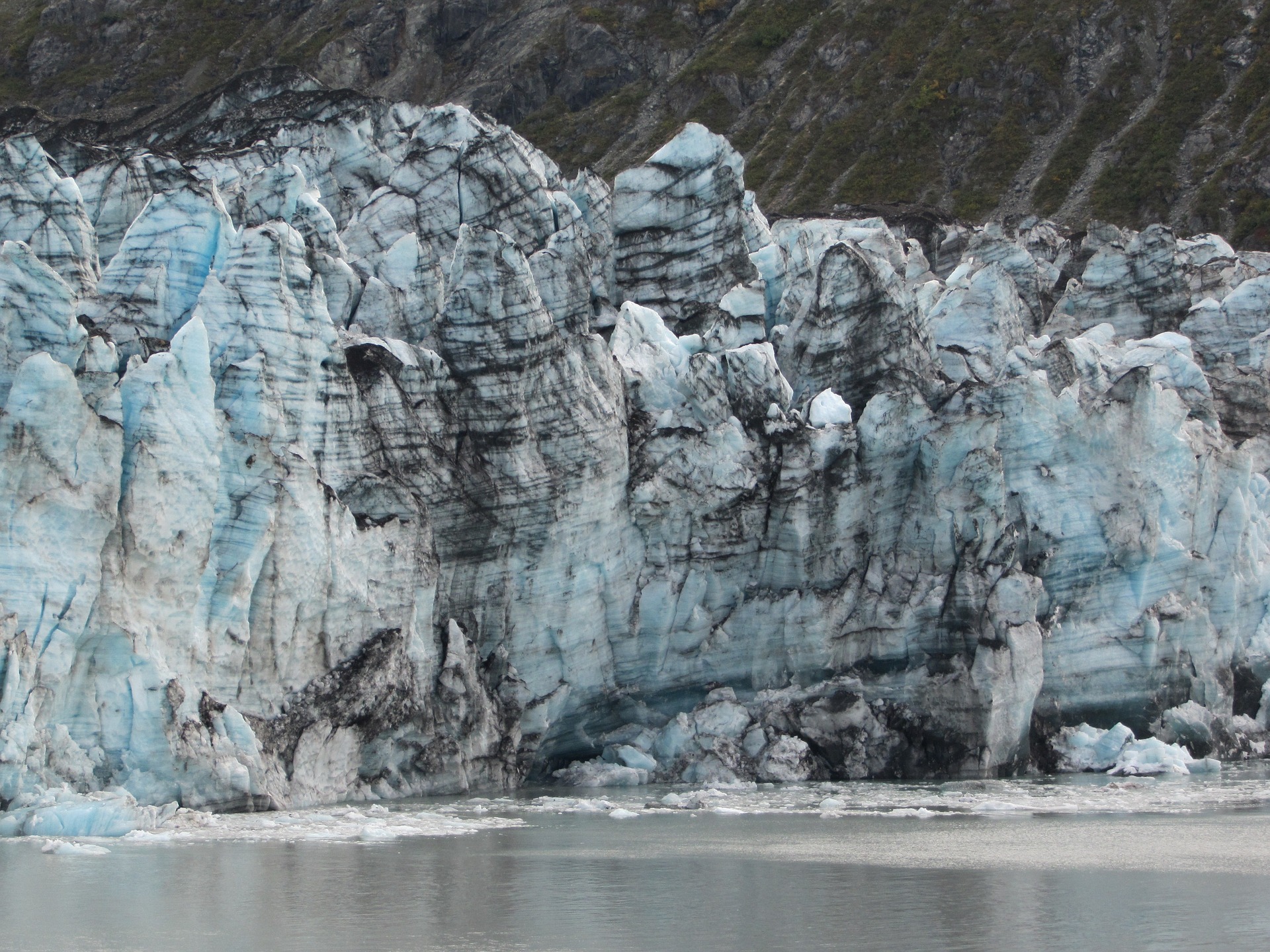
photo by Pixabay
Addressing climate change requires two approaches: mitigation and adaptation. One tackles the causes of climate change, while the other helps us prepare for its impacts. Both are essential.
Mitigation means limiting future warming by reducing greenhouse gas emissions, particularly from fossil fuels and agriculture. Nature also plays an important role. Forests, wetlands, peatlands, and grasslands store carbon in their vegetation and soils. When these ecosystems are destroyed or degraded, some of that carbon can be released into the atmosphere. Protecting them helps prevent these emissions, while restoring degraded ecosystems can also increase the amount of carbon they absorb and store.
Adaptation means preparing for climate changes already underway and reducing the harm they cause. This can include preparing for extreme heat and flooding, managing water during droughts, or adapting agriculture to changing conditions. Nature can help here, too. Wetlands can reduce flooding, coastal ecosystems can protect against erosion and storms, and healthy soils and vegetation can help regulate water flow.
Woodwell contributes to both by advancing the science needed to understand climate risks, evaluate potential solutions, and inform decisions that reduce emissions while helping people and ecosystems adapt.
Mitigation limits future warming. Adaptation helps us cope with its impacts. We need both.