photo by Dave Nagel


Agricultural lands are more than places where we grow food and raise livestock. Above and below ground, these living landscapes host biodiversity, store carbon, regulate water, and help build resilience to climate extremes. Their health shapes not only our ability to produce food, but also the well-being of communities and ecosystems around the world.
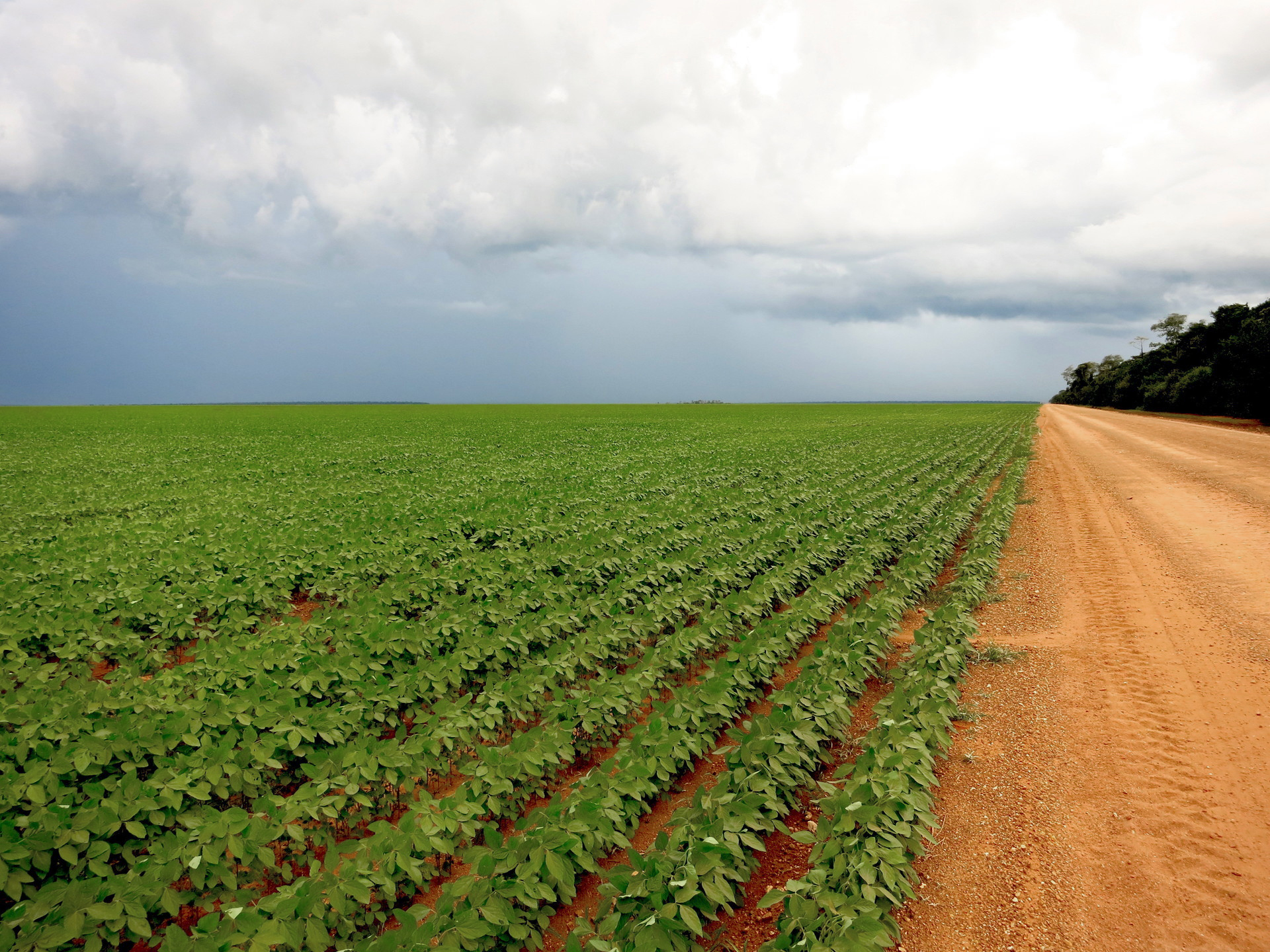
photo by Paul LeFebvre
Behind every meal is a landscape shaped by nature and people. These living, working lands bring together soil, water, plants, animals, climate, and human decision-makers. Farmers, ranchers, and pastoralists work within these systems every day, drawing on experience and knowledge built over generations.
Agriculture both depends on the health of the land and actively shapes it. How these lands are managed influences their productivity, their resilience to a changing climate, and the well-being of the lives that depend on them.
photo by Dave Nagel
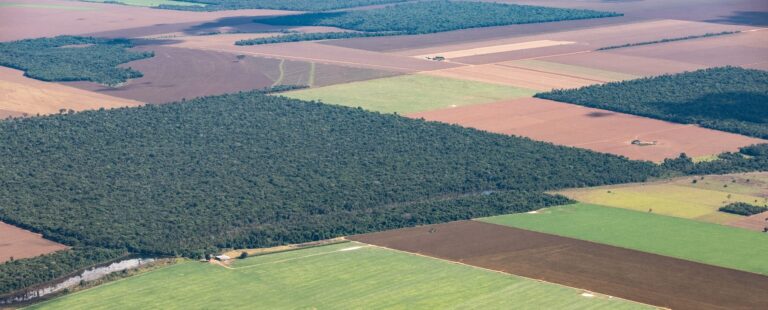
Agricultural lands are diverse – from fields of grain and orchards to open pastures and vast rangelands. These are the places where people grow crops, raise livestock, and produce the food we eat, the feed that supports livestock, the fibers we use, and other products we depend on.
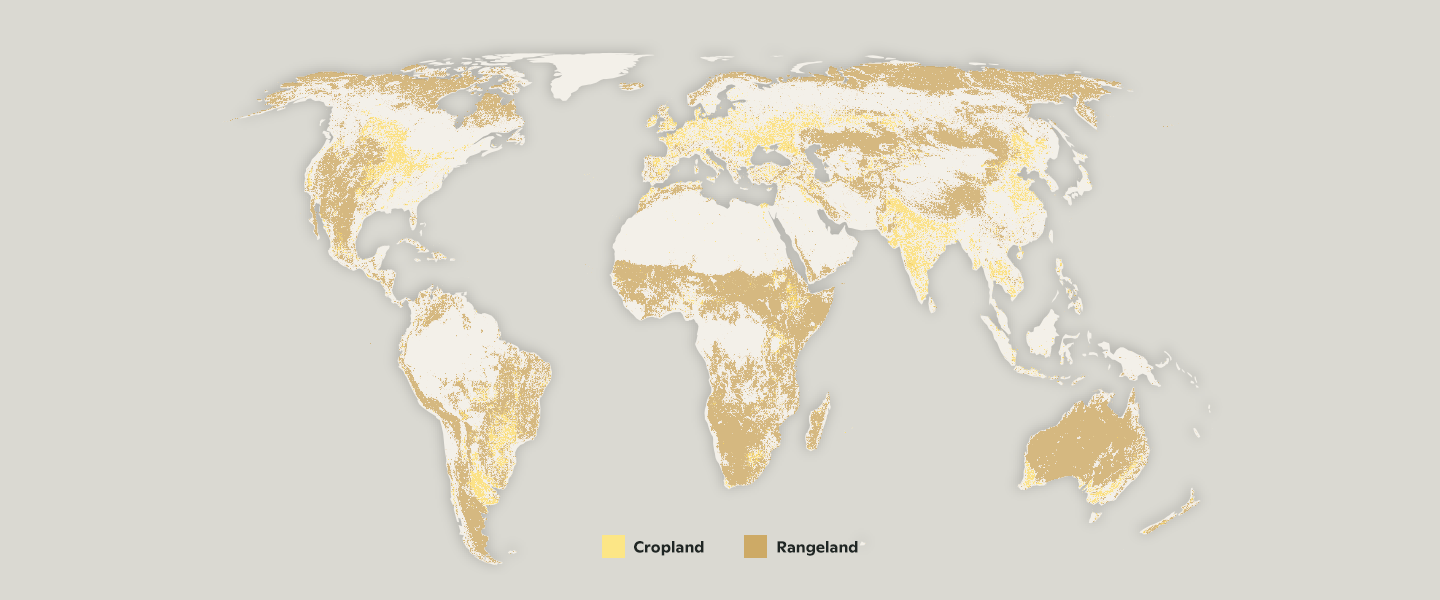
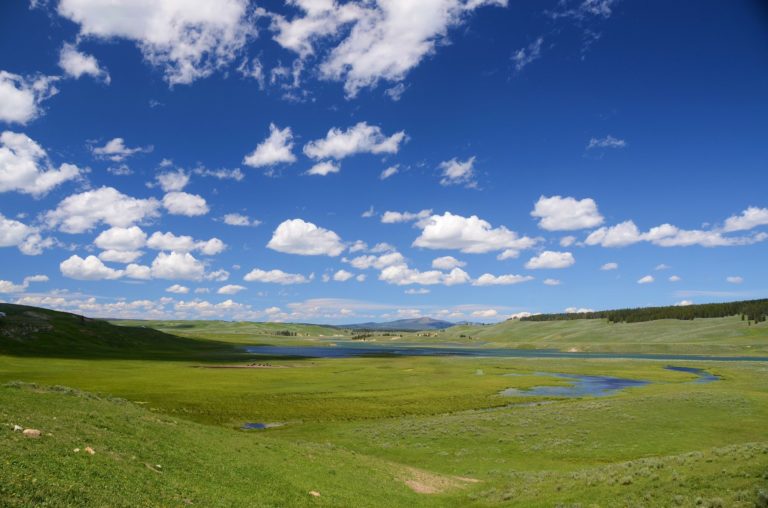
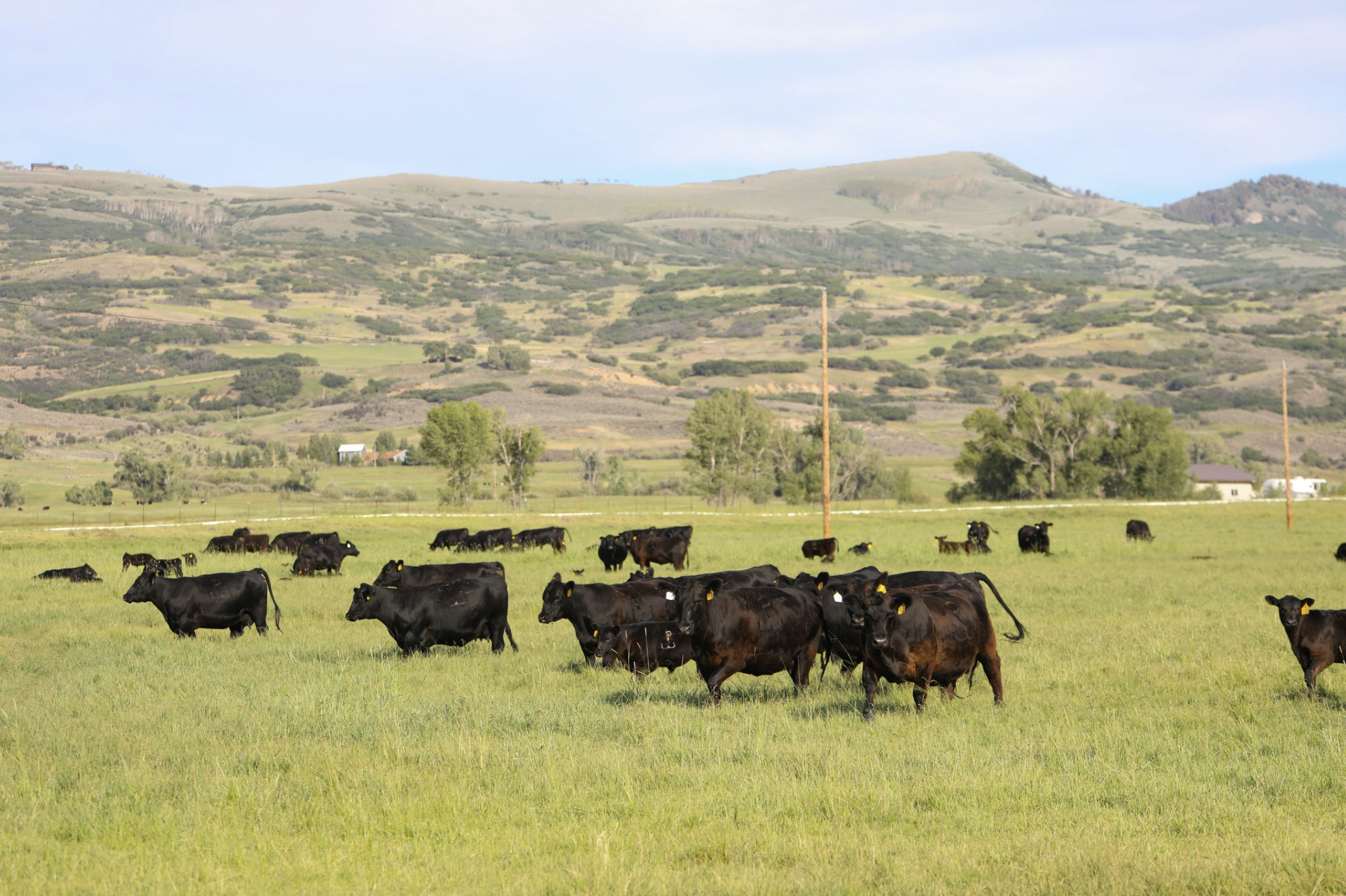
But not all agricultural landscapes are alike. Croplands are cultivated to grow crops, while grazing lands include managed pastures and rangelands, where livestock feed on grasses and other vegetation. Rangelands can take many forms, from grasslands and savannas to shrublands, and often support wildlife and other uses alongside grazing.
Whether cultivated, grazed, or managed for multiple purposes, these landscapes reflect the interaction between natural conditions and human activities. Soil, vegetation, water, and living organisms shape what these landscapes can produce and how well they can sustain that production over time.

photo by Paulo Brando
Nearly half of the world's habitable land is used for agriculture. At that scale, what happens across these landscapes shapes far more than food production. It influences our climate, water, biodiversity, and the well-being of communities around the world.
Agriculture depends on natural systems while also changing them. Healthy soils and vegetation help sustain food production, store carbon, regulate water, and support biodiversity. Yet farming and grazing can also release greenhouse gases, degrade soils, and put pressure on surrounding ecosystems. Climate change adds to these challenges, as rising temperatures, drought, and shifting rainfall put food security and livelihoods at risk.
Agricultural lands do not exist in isolation. Forests and other natural ecosystems help regulate the water and local climate conditions agriculture depends on. In turn, sustaining healthy, productive agricultural lands can reduce pressure to clear more natural areas. Protecting both is essential to long-term food security and climate resilience.
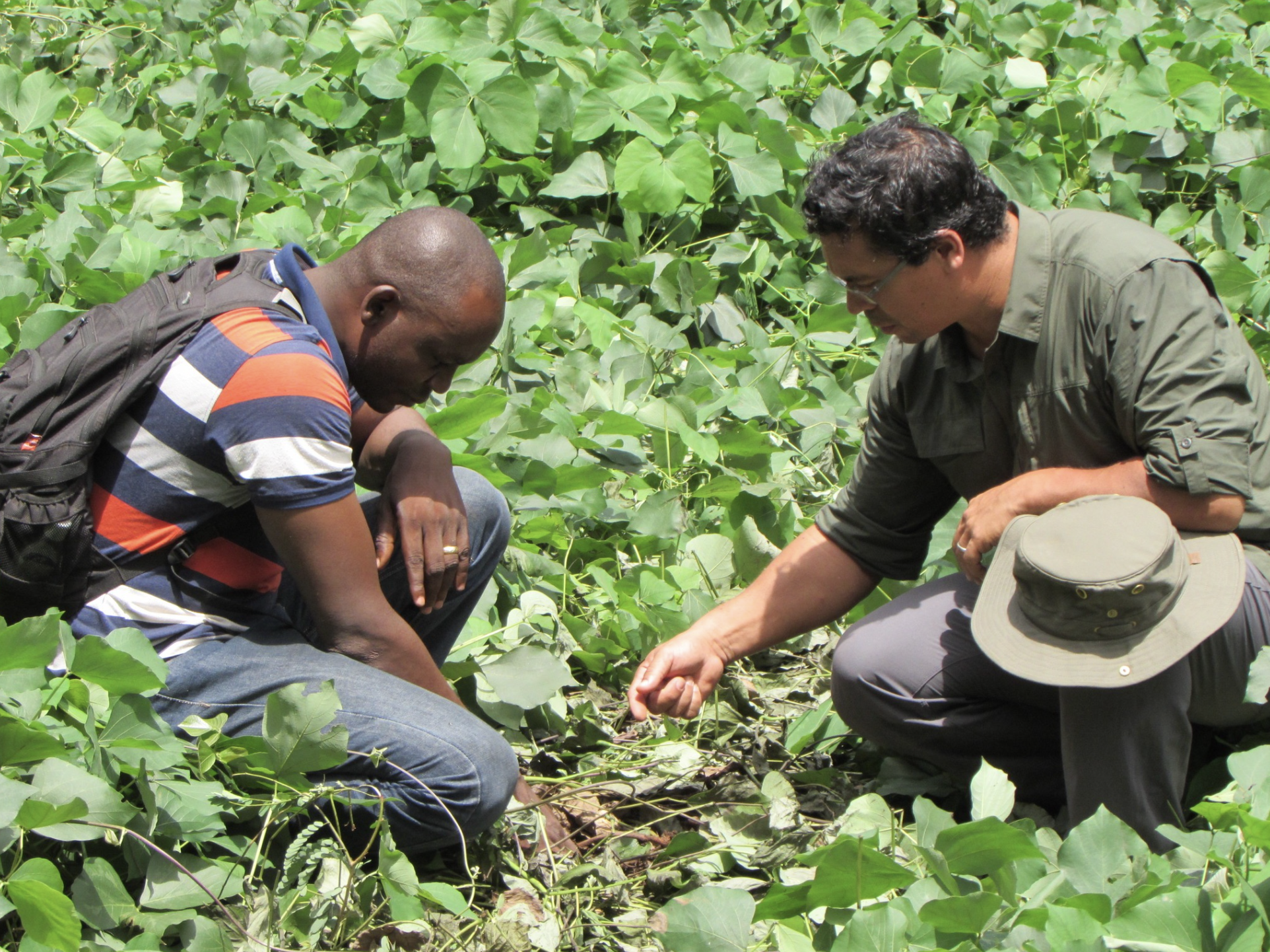
photo by Nolan Kitts
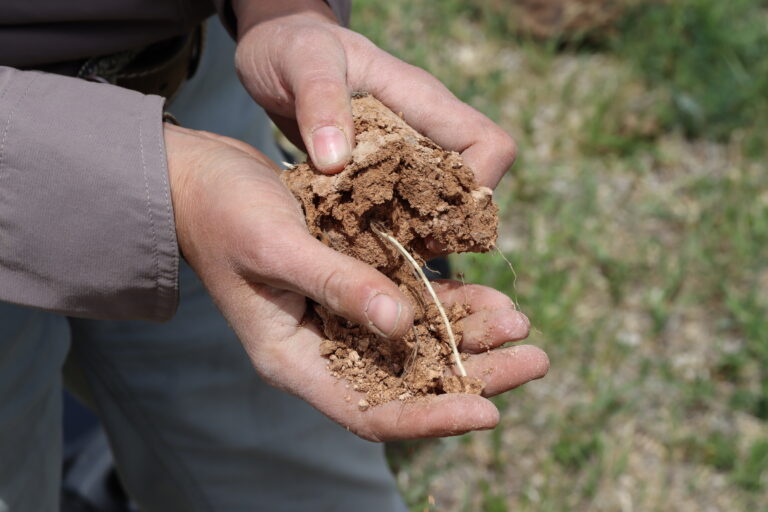
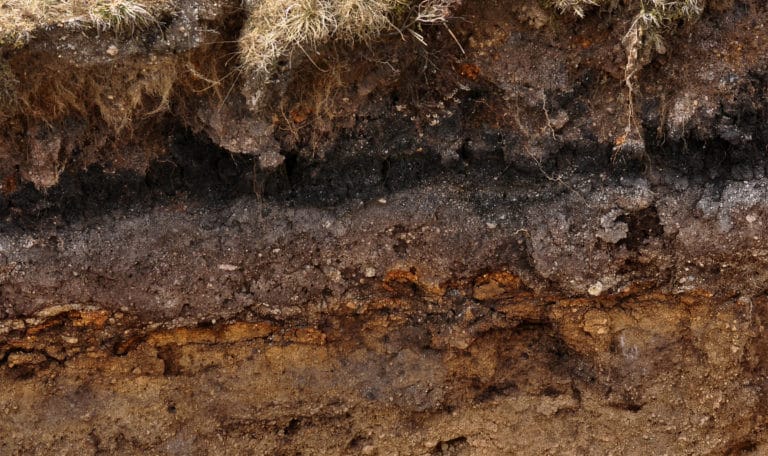
To uncover what shapes the health and productivity of agricultural lands, Woodwell looks both beneath the soil surface and far beyond the edge of a field.
Across croplands and grazing lands, our scientists study how climate, natural systems, and human decisions interact. We investigate how soils and vegetation store and release carbon, how farming and grazing practices affect water, biodiversity, and greenhouse gas emissions, and how rising temperatures, drought, and changing rainfall are reshaping food production.
Our scientists combine field research and soil sampling with laboratory analysis, satellite observations, and computer models to understand these changes from individual farms and ranches to regional and global scales. This includes developing faster, more affordable ways to measure soil properties, developing proprietary tools like RangeSTAR to track rangeland productivity and carbon dynamics, and investigating resilient, ecologically-sound agriculture approaches through projects like GALO in Brazil.
By measuring changes and evaluating outcomes, Woodwell helps determine which approaches are effective, under what conditions, and what trade-offs they involve. This evidence informs land management, policy, and finance decisions that support productive, resilient agricultural lands while reducing their climate and environmental impacts.