


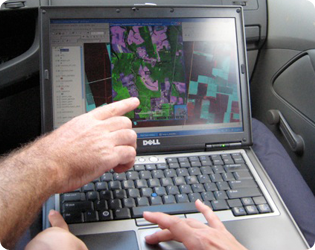
The risk landscape is changing.
Climate change is reshaping the conditions businesses and institutions depend on. Historical patterns remain useful, but they may no longer tell the full story of what comes next. The challenge is no longer simply knowing that the climate is changing. It is understanding what those changes mean for the places, assets, systems, and decisions that matter.
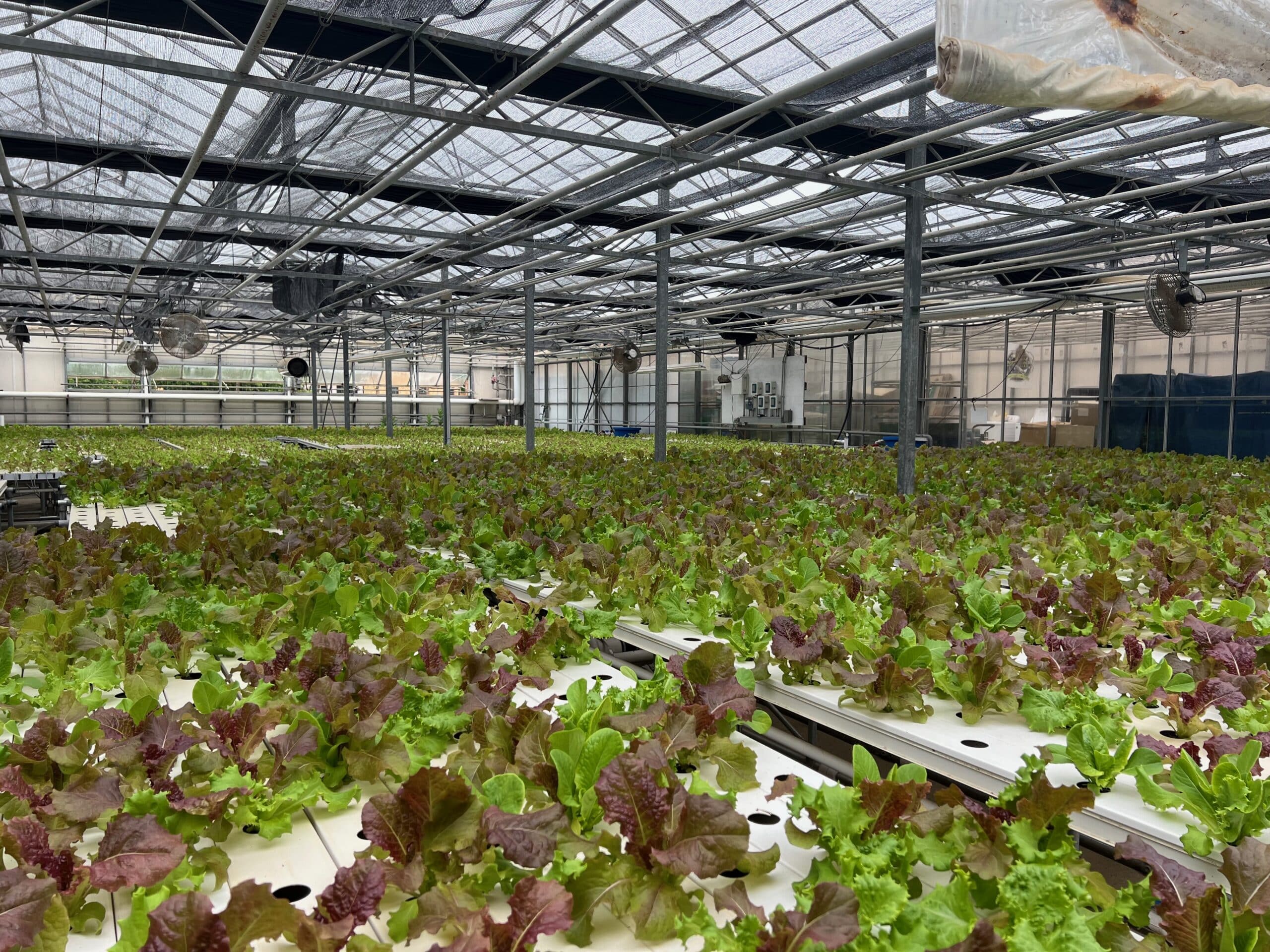
photo by Corrie Martin
BUSINESS & INSTITUTIONAL RISK CONSULTATION
A flood, drought, or heat wave can do more than damage property. It can interrupt production, strain supply chains, affect workers, and create financial consequences far beyond the immediate event. For businesses and institutions, the challenge is understanding how vulnerable they are before those risks become costly realities.
Woodwell works directly with businesses and institutions to anticipate vulnerability and investment risk.
Find Out More
From climate hazard to real-world risk.
A climate hazard like extreme heat or flooding is only part of the picture. Risk also depends on what is exposed, how vulnerable it is, and how conditions may change over time.
Woodwell connects changes in temperature, rainfall, drought, wildfire, storms, and other climate conditions to their real-world implications for businesses and institutions.
Depending on the question, that can mean looking closely at a single asset or landscape, comparing risks across a portfolio, or examining patterns across a sector or region.
The goal is to understand not only what is changing, but what those changes mean in practice.
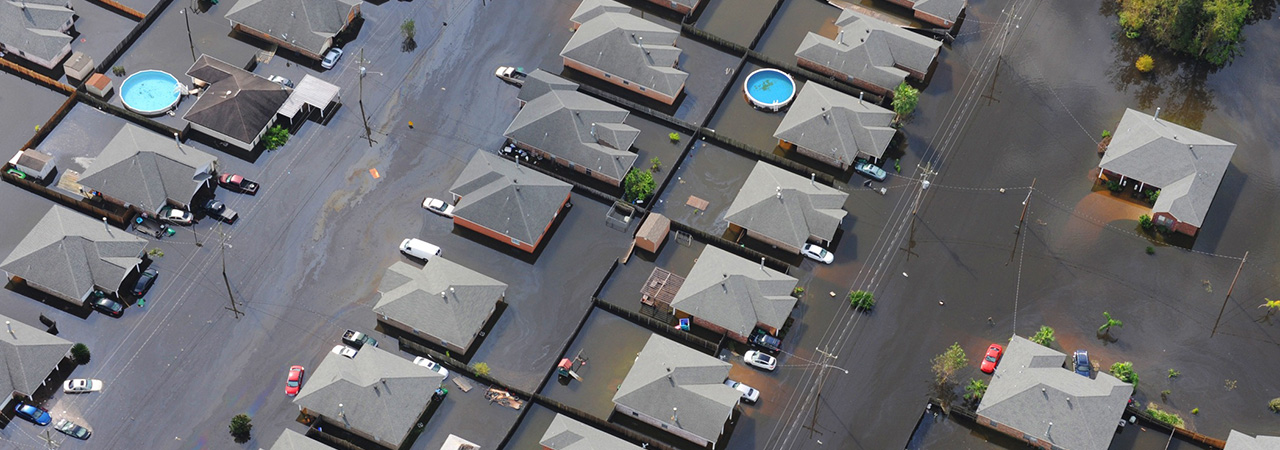
Making risk easier to see.
Different hazards can affect the same place in different ways, unfold over different timescales, and carry different consequences. Woodwell helps businesses reduce uncertainty in both their immediate and long-term risks, and informs investment, operations, resilience, insurance, land and resource management, and strategic planning.
In practice, that can mean putting a dollar value on future storm losses to help evaluate insurance, comparing climate risks across current and prospective agricultural properties, or assessing how water scarcity, crop losses, extreme heat, and flooding could influence development, adaptation needs, labor capacity, and food production at the scale of an entire country.
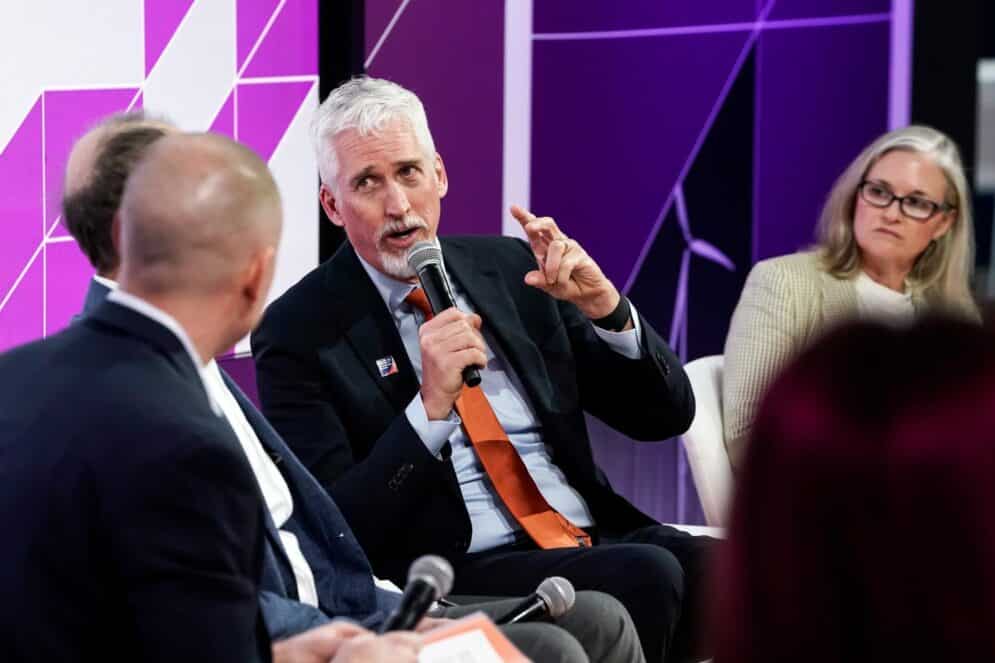
photo by Louis DeLuca / CERAWeek
Business risk preparedness in action.
Climate science does not replace the judgment of decision-makers. It gives them a stronger basis for making informed choices. This is one way Woodwell puts science to work: bringing climate knowledge into investment, operational, risk-management, and long-term planning decisions.
.
Learn more about how Woodwell works with businesses and institutions to understand climate risk and apply climate science to real-world questions. Climate risk assessment.
Stories
Projects
-
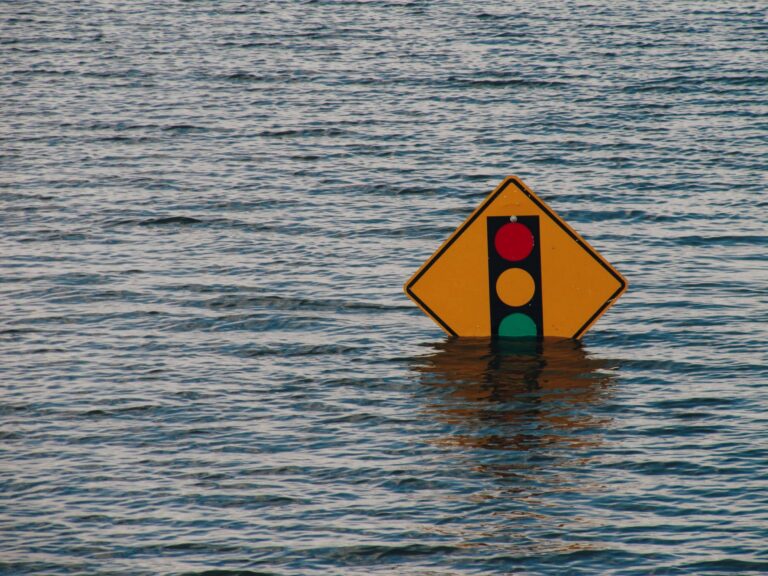
Woodwell Climate Risk
View Project: Woodwell Climate Risk
Business Fellows
Business Fellows -
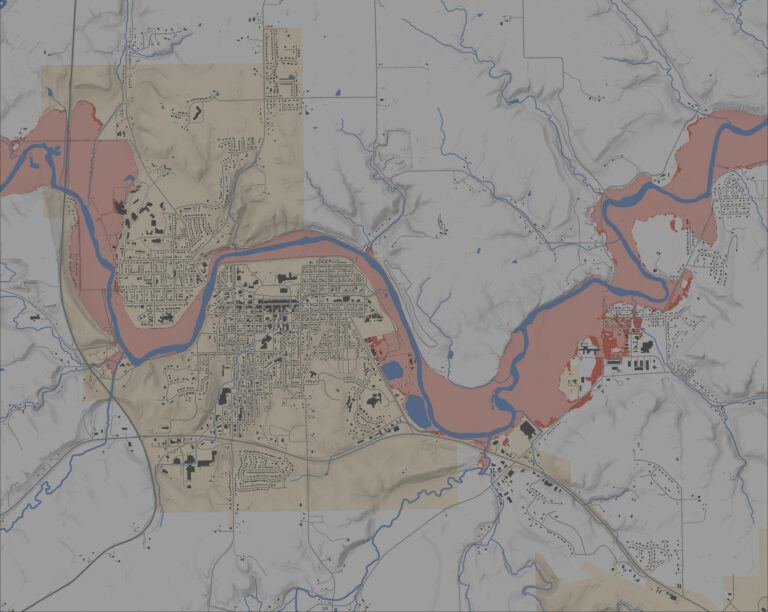
Woodwell & Wellington
View Project: Woodwell & Wellington
Stay up to date on the latest science. Subscribe to our monthly newsletter.
By submitting this form, you are consenting to receive emails from Woodwell Climate Research Center. You can revoke your consent to receive emails at any time by using the SafeUnsubscribe® link, found at the bottom of every email.