

Summer 2026: Fund for Climate Solutions awards four new grants
The funding supports building policy engagement skills, improving fire preparedness, and updating carbon budgets


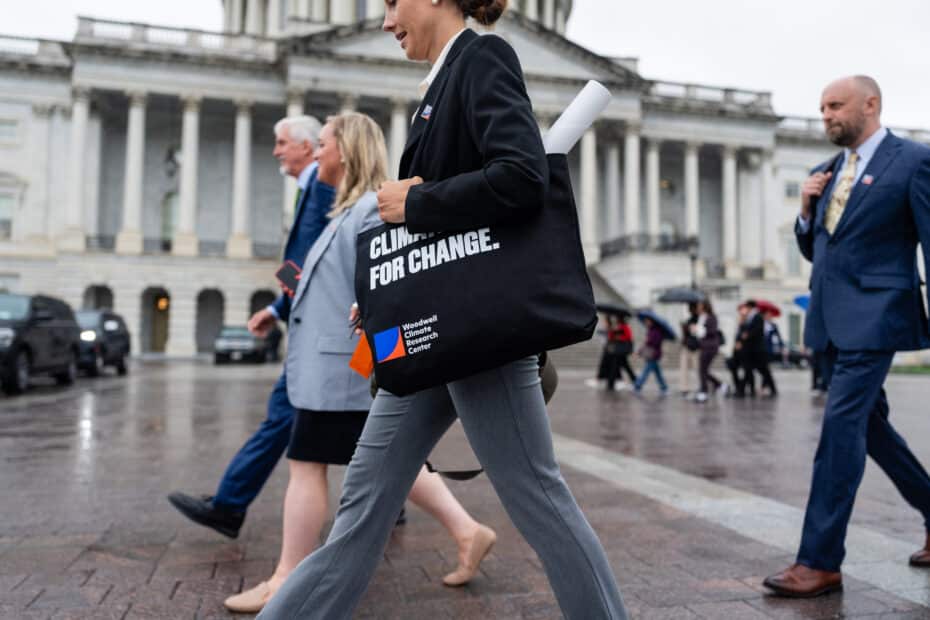
Woodwell experts during 2025 Washington D.C. Fly-in
photo by Eric Lee
Thanks to the generosity of the Woodwell donor community, the second round of 2026 Fund for Climate Solutions (FCS) awardees has been announced. The FCS supports innovative, solutions-oriented climate science through a competitive, cross-disciplinary process. With more than $10 million raised to date, donor support has already fueled 88 research grants and leveraged millions of dollars in additional research grants since the program’s launch in 2018.
This most recent round of grants is supporting Woodwell experts in building policy engagement skills, improving land managers’ preparedness for future fire seasons, and updating carbon budgets based on the newest science.
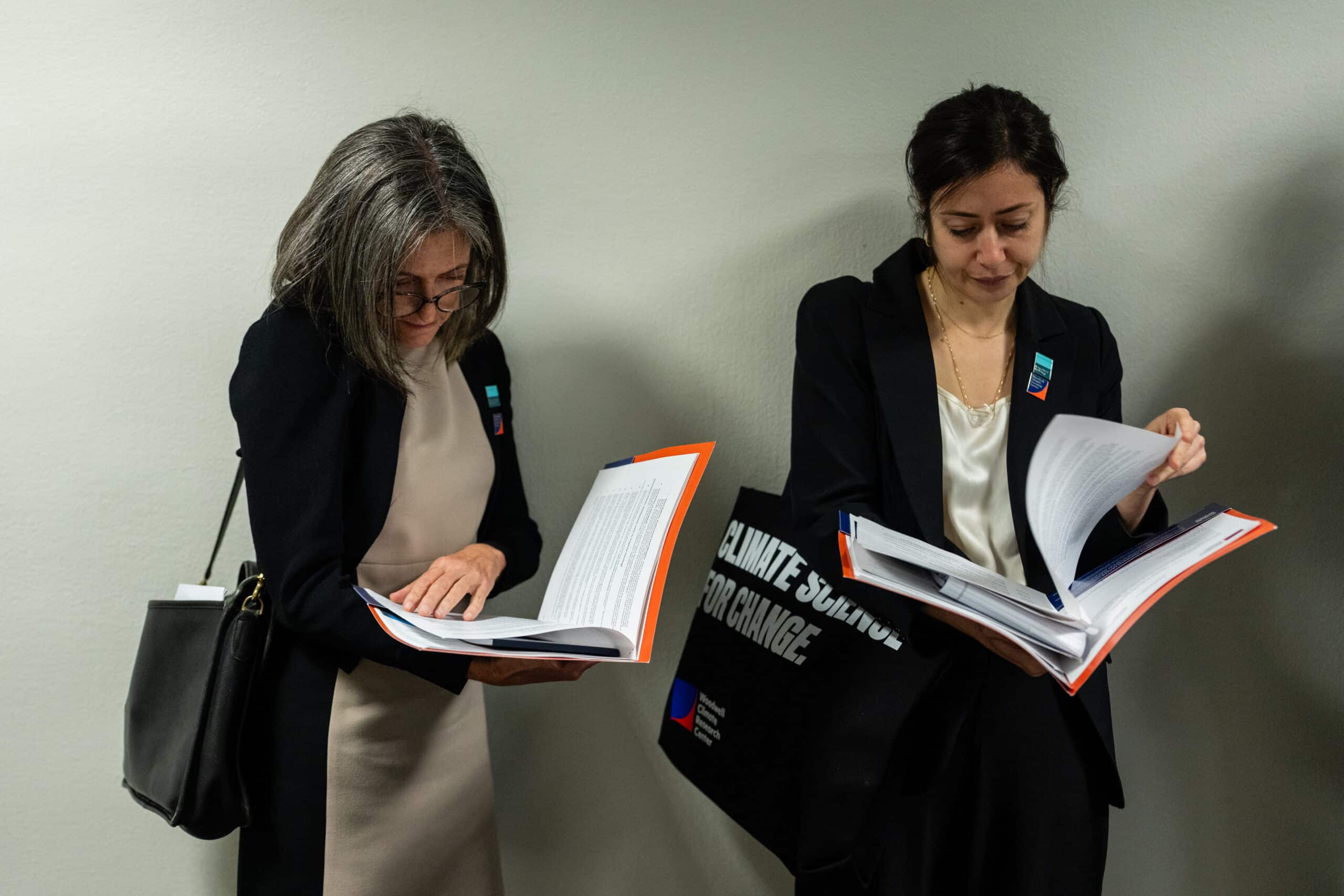
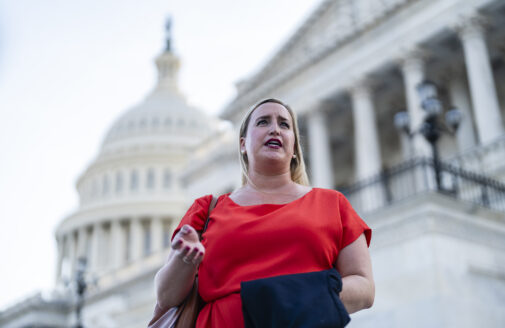
Woodwell experts prep for briefing with congressional staff.
photo by Eric Lee.
Woodwell Policy Fellowship: A Pilot Program to Advance the Internal Science to Policy Pipeline
Lead: Laura Uttley
Since the Center’s founding by Dr. George Woodwell, our leadership, scientists, and researchers have engaged with local, state, federal, and international policymakers to facilitate the development of science-based policy solutions. This project will develop an internal Policy Fellowship pilot program to amplify Woodwell Climate’s science in decision-making and better position our scientists and researchers for engagement and advocacy opportunities. A cohort of five to ten science staff will collaborate with the Policy and Government Relations team through attending monthly webinars on federal and international processes, developing policy briefs relevant to their work, and participating in either COP32 or Woodwell’s 2027 DC fly-in. This Policy Fellowship will leverage the diverse backgrounds and experiences of Woodwell Climate scientists to ensure robust climate science is complemented with compelling narratives and public policy applications.
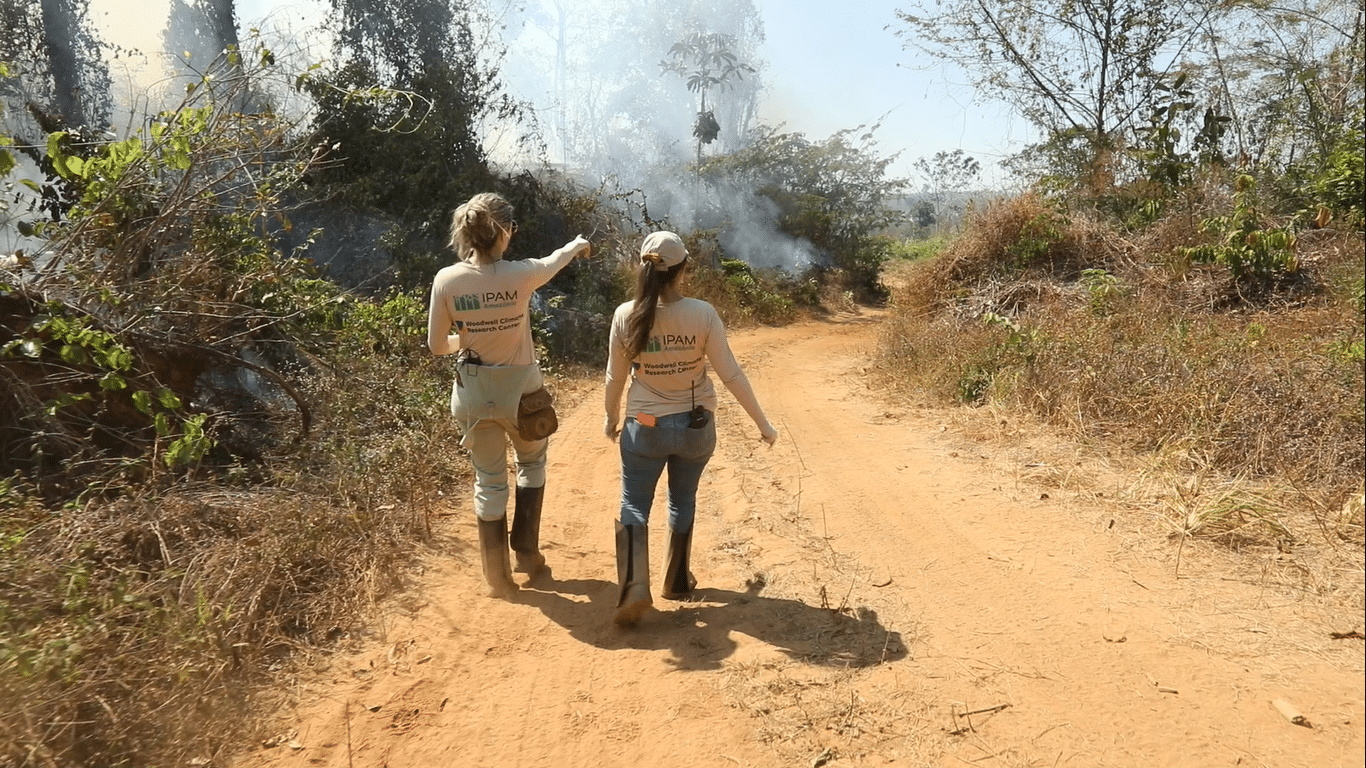
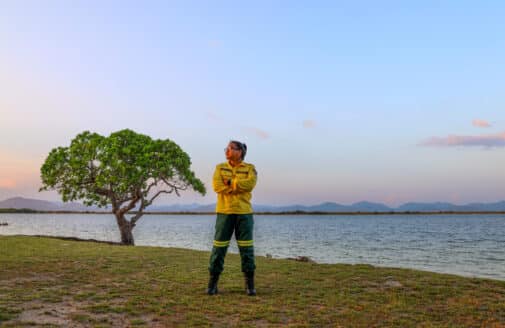
Researchers study the site of a fire in the Amazon.
photo by Illuminati Filmes
The 2024 Amazon fire crisis: A postmortem to advance proactive management
Lead: Dr. Manoela Machado
Despite 2024’s lower-than-average deforestation rates in the Brazilian Amazon, wildfires there reached record levels. For every hectare of forest lost to deforestation, 11 hectares were affected by wildfire—an unprecedented proportion. Leaders from Prevfogo (National Center for Prevention and Combat of Forest Fire) have called for scientific evidence that can help aggregate data on burned area, land tenure, agency mandates, and resource constraints in order to reinforce requests for increased budgetary support and avoid a repeat of the 2024 season during the anticipated 2026–2027 El Niño year. The project team will create maps of the 2024 fire crisis to support proactive preparedness for future fire seasons. These maps will identify where fire risk and occurrence, institutional responsibilities, and operational capacity may be misaligned, supporting proactive planning, improving coordination, and justifying targeted funding for agencies preparing for future fire crises.
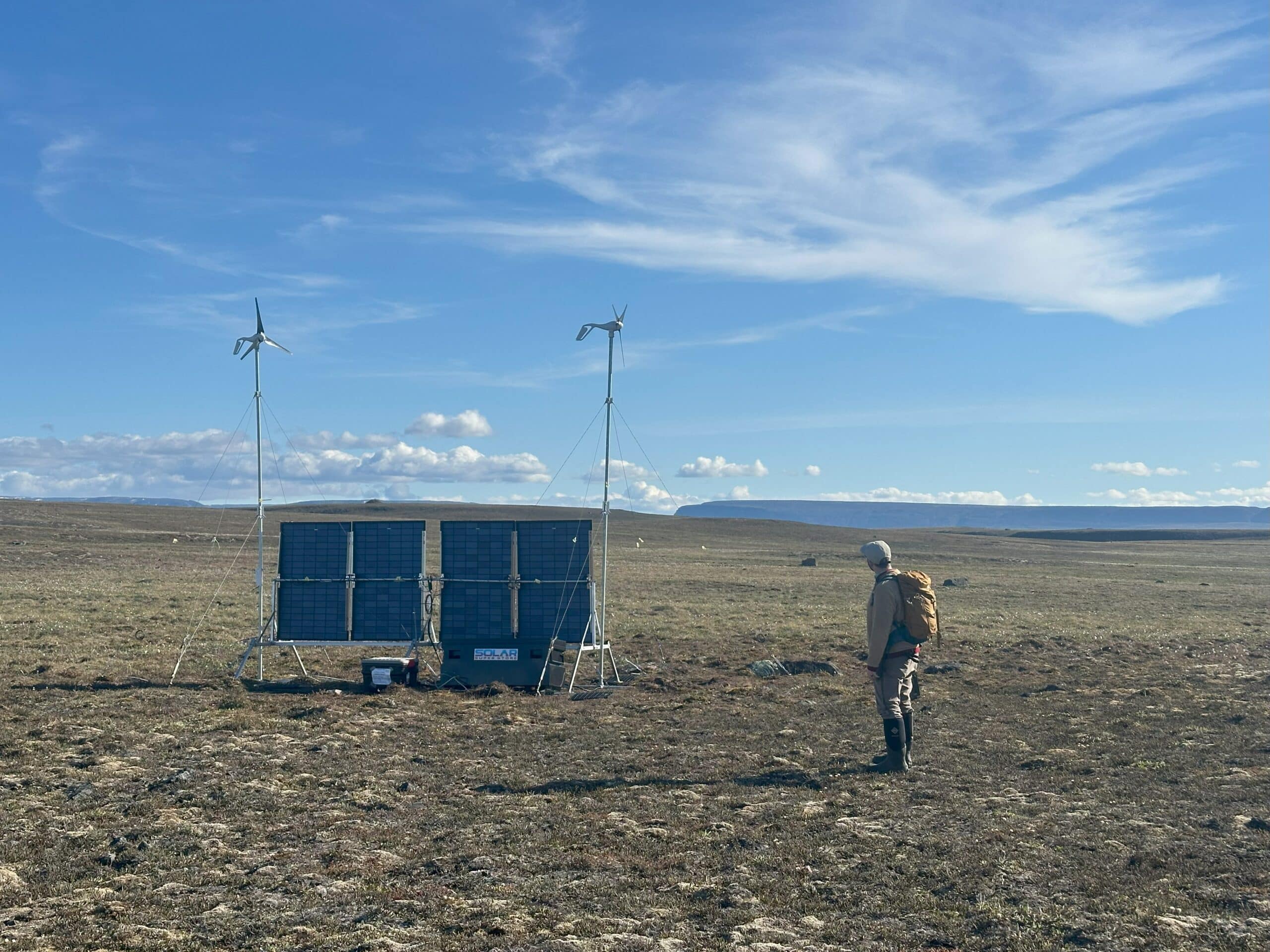
Carbon monitoring tower in Mittimatalik (Pond Inlet), Canada.
photo by Dani Trangmoe
Permafrost emissions and remaining carbon budgets under peak-and-decline pathways
Lead: Dr. Christina Schädel
The Intergovernmental Panel on Climate Change (IPCC) Seventh Assessment report (AR7) is underway, and a key priority of the report is examining overshoot pathways. Overshoot, or peak-and-decline pathways, describe climate scenarios where global temperatures temporarily exceed 1.5 or 2°C before declining as a result of mitigation actions (emissions reductions and carbon dioxide removal). This project will create the first synthesis of overshoot models of permafrost emissions, and calculate how including permafrost emissions impacts global carbon budgets. Using this model synthesis, the team will develop policy-relevant visualizations, conference presentations, and a peer-reviewed manuscript to inform IPCC AR7 and UN assessments of global progress on climate goals.
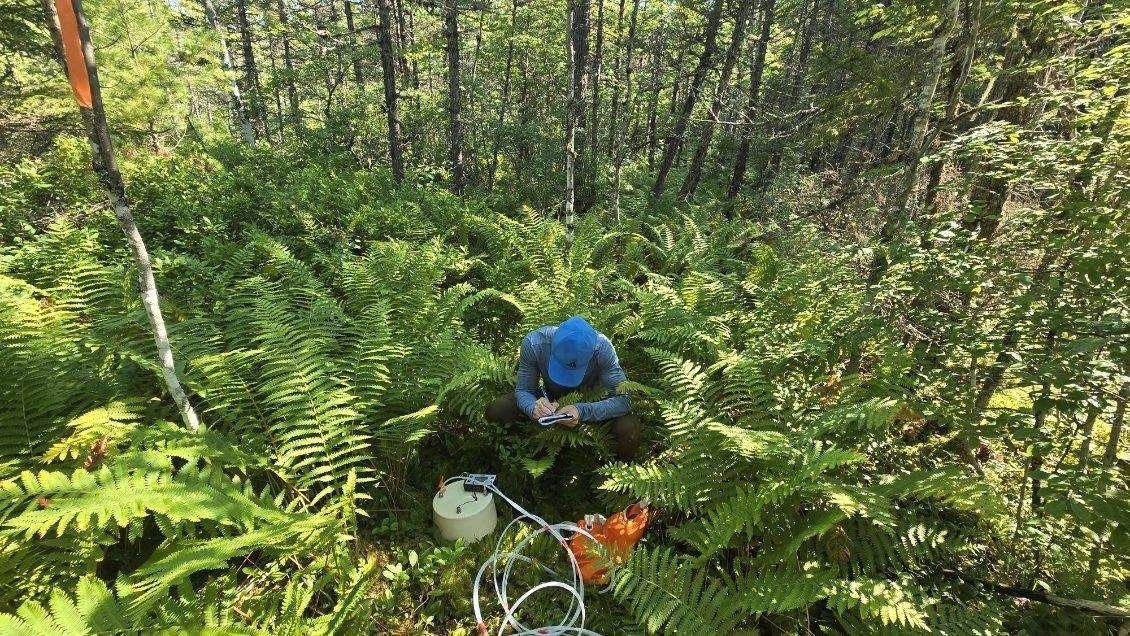
Researcher takes notes on sampling trip in Howland Forest.
photo by Kathleen Savage
Forest carbon allocation decoupling under climate extremes: Implications for carbon budgets, forecasting and forest management
Lead: Kathleen Savage
When trees capture carbon from the atmosphere, they can store it aboveground in their trunks and branches, where it can persist for a long time, or belowground in their roots, where it can return to the atmosphere more quickly. Recent studies have shown that under extreme conditions like drought, trees shift to storing more of their carbon in their roots instead of in wood growth. However, current ecosystem models don’t reflect this allocation shift. This project will study long-term forest carbon data from Howland Research Forest in Maine to better understand carbon allocation changes, how they vary across management practices, and their implications for forest management and conservation goals. The team will host a two-day workshop to present their results to forestry managers, conservation organizations, and policymakers. They will also visit Washington, D.C. to deliver insights directly to federal policymakers.