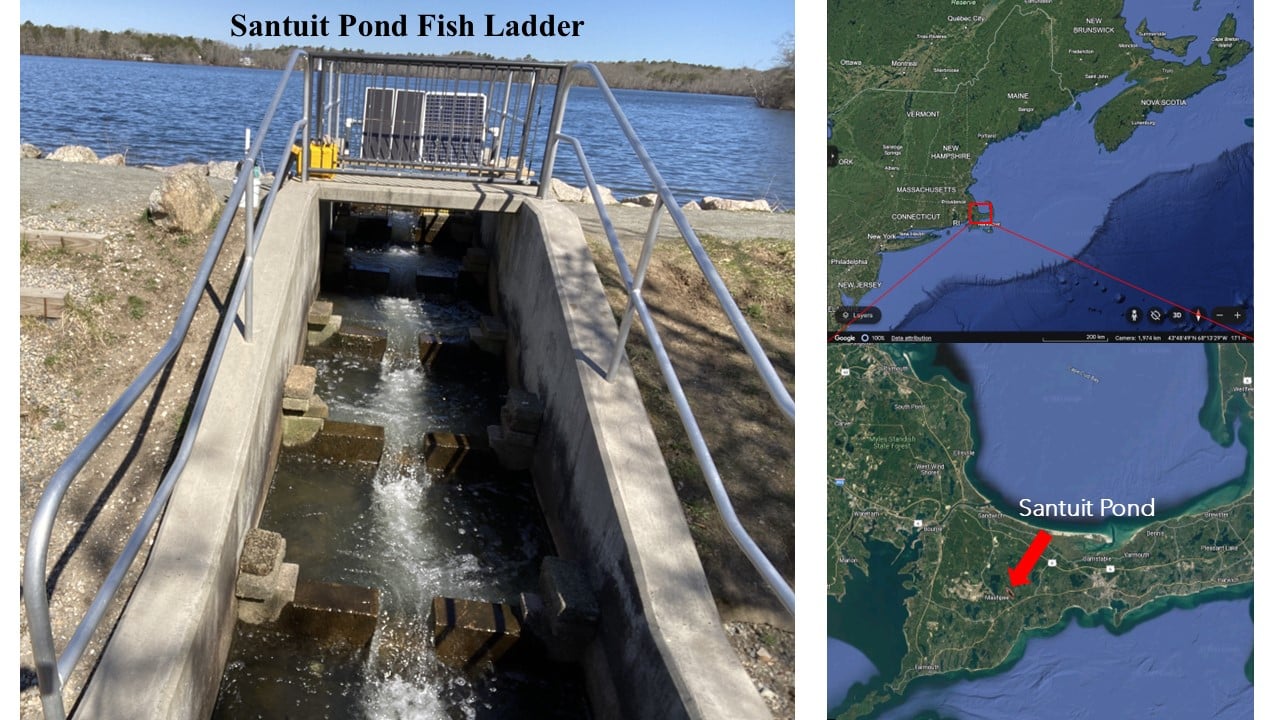

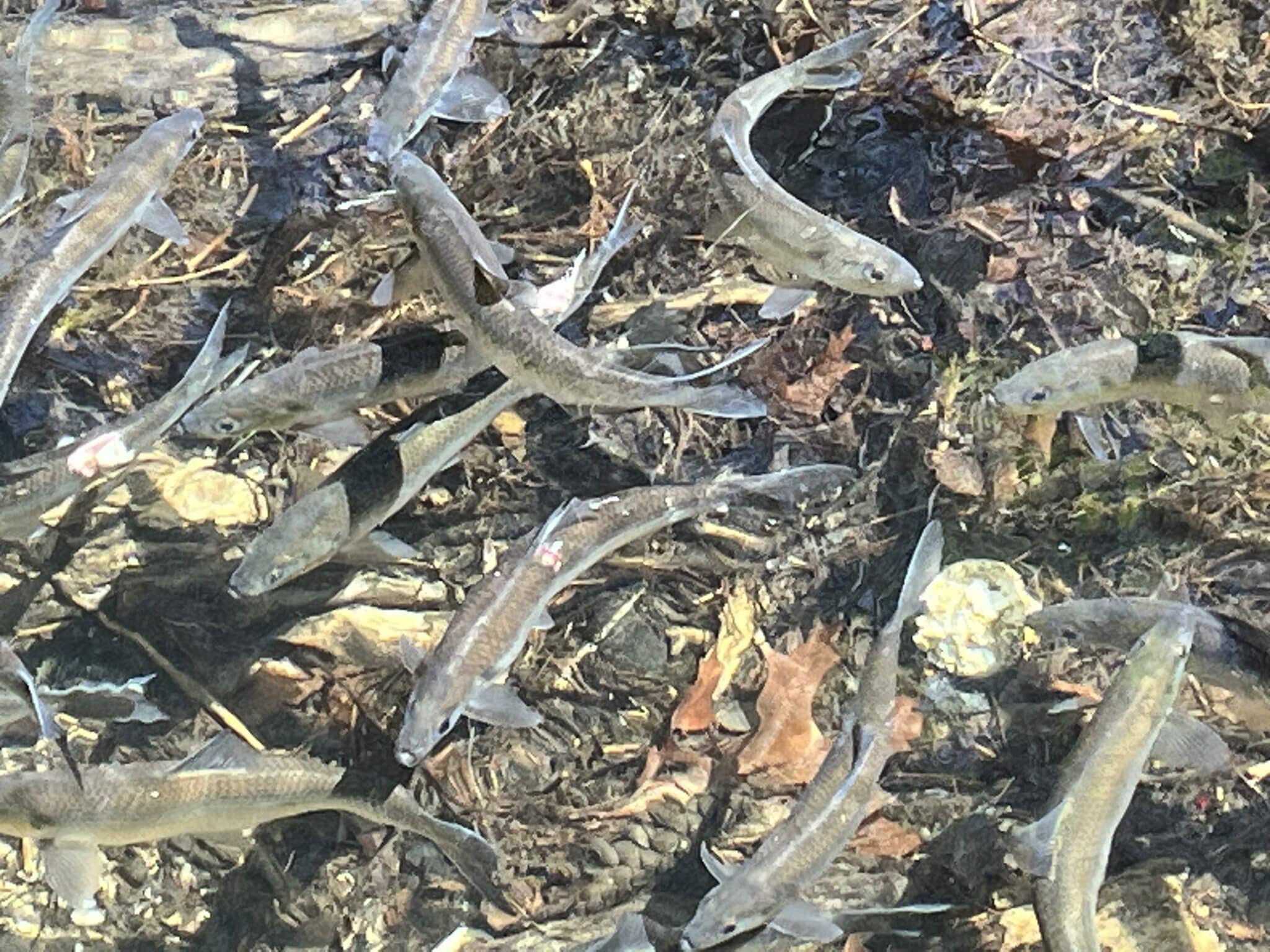
River herring population levels are at historic lows, threatening ecosystem health and biodiversity.
River herring, including Alewife (Alosa pseudoharengus) and Blueback (Alosa aestivalis), are anadromous species, meaning they migrate between freshwater and marine ecosystems. They contribute significantly to nutrient cycling and serve as a crucial food source for various predators.
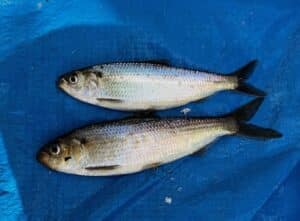
Over the centuries, river herring populations have dramatically declined due to habitat degradation, overfishing, and the construction of dams, which block their migratory routes and disrupt spawning.
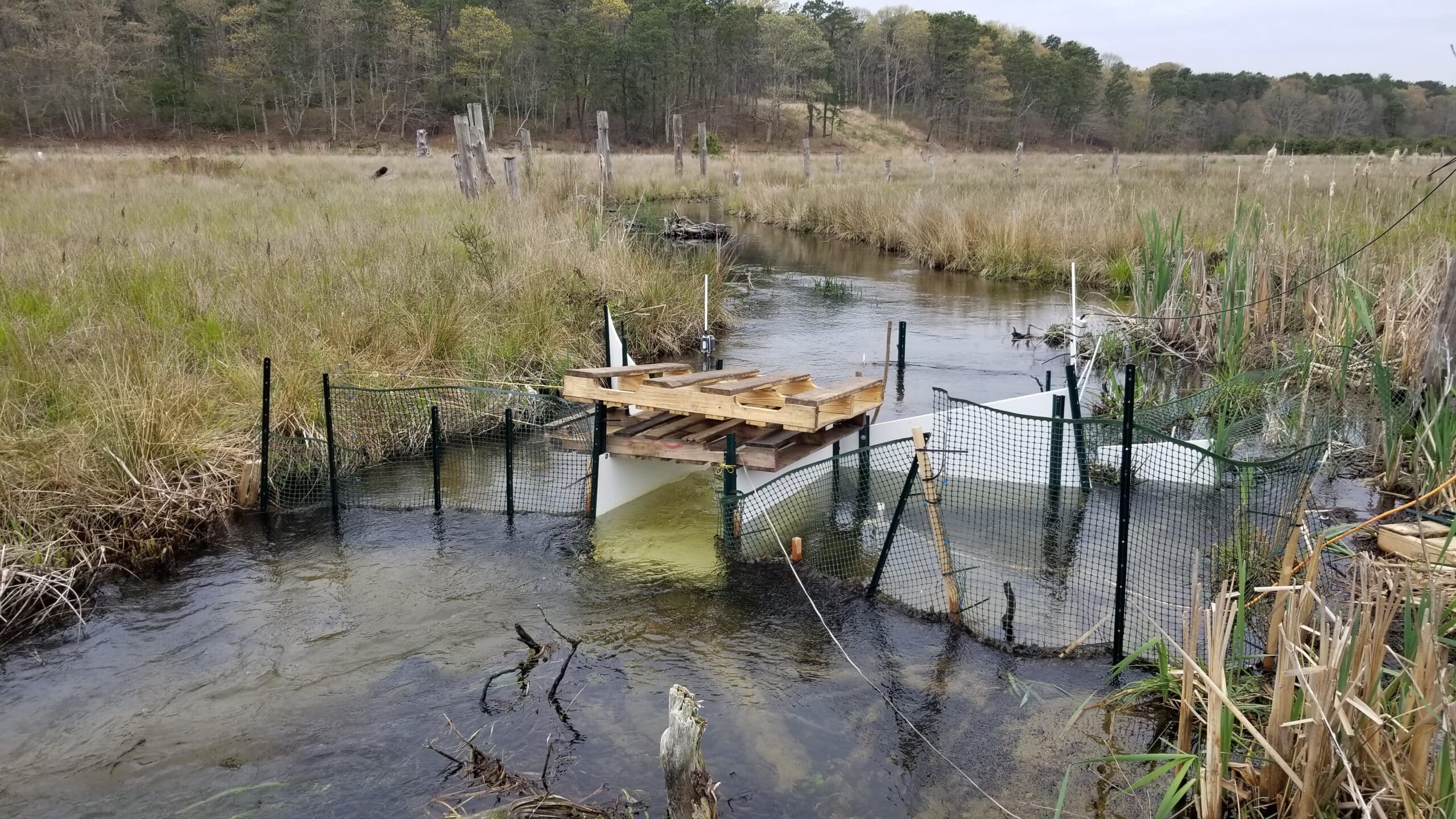
Monitoring river herring populations is a key aspect of restoration efforts, as it provides the critical data needed to track population trends, inform management strategies, and guide an effective restoration program.