

In the woods of Maine, searching for an answer to the ticking climate bomb


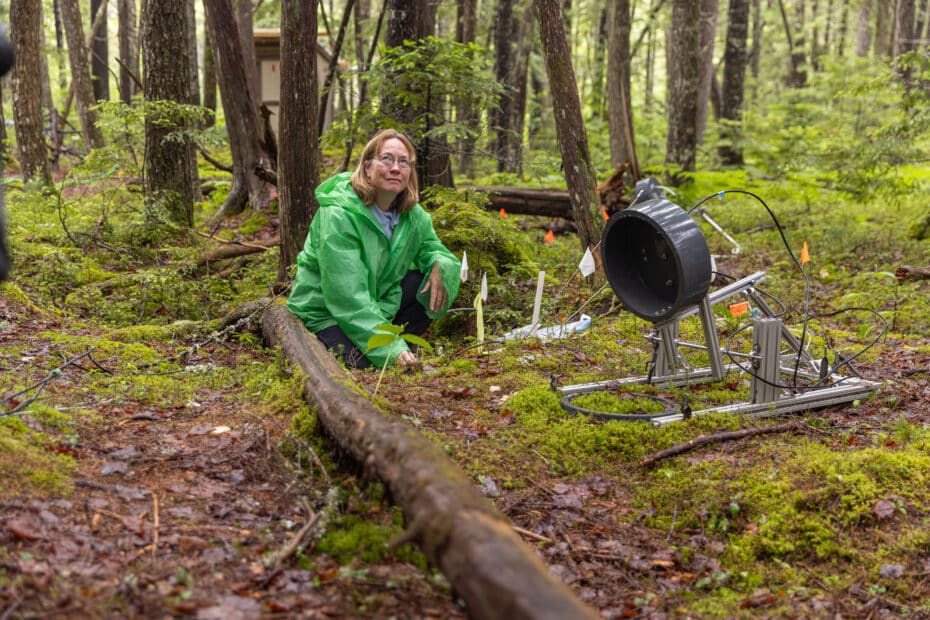
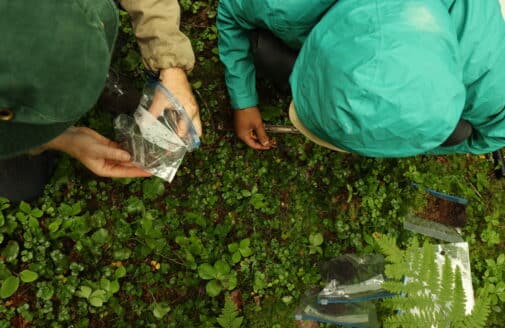
Kathleen Savage takes carbon measurements in Howland Forest.
photo by Charlie Nutting
HOWLAND, Maine — Scientist Kathleen Savage leaned out from the basket of a boom lift, a red safety helmet perched on her head.
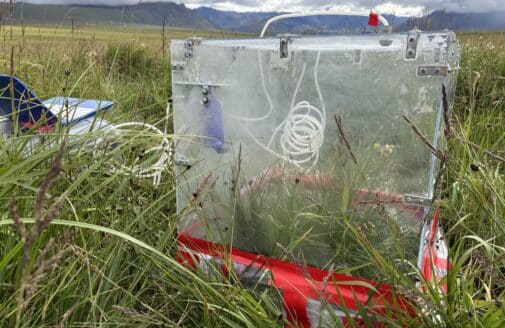
She sealed a few needle-covered stalks from an Eastern Hemlock tree inside a clear plastic cylinder and pulled out her phone. On the screen, a meter rose and fell as the level of gases inside the cylinder fluctuated. The question she was asking: What were the microscopic bugs on the stalks and leaves doing in there?
But looked at another way, it could also buy the planet critical time as the world races to address the climate crisis.
“These small, microscopic organisms are everywhere,” she said. “When you translate that to an entire forest, they add up and pack a big punch.”
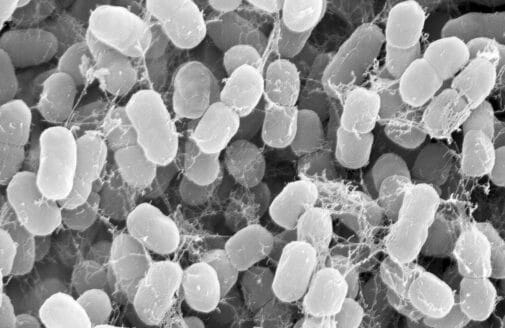
Savage, a senior research scientist at Woodwell Climate Research Center in Woods Hole, is part of a team of experts trying to better understand which of these microscopic bugs — or, as they’re technically called, microbes — consume potent methane gas, and whether they could eventually be marshaled as a tool to combat climate change. Methane is among the world’s most potent greenhouse gases, accounting for roughly 30 percent of global warming. Once emitted, it only lasts in the atmosphere for a little over a decade, but in that time, it is 80 times more potent than carbon
dioxide.
Read more on Boston Globe.