- Policy Brief


AR6 is a resounding affirmation of what has become increasingly clear not only with each new study but through everyday experience.

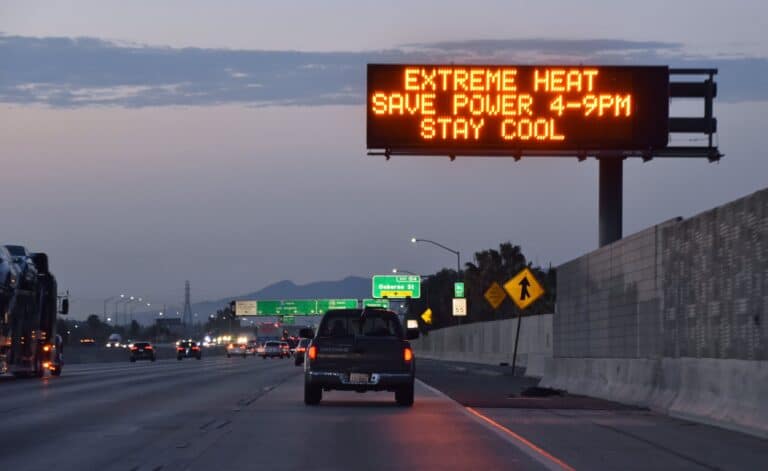
Today, the IPCC released the first volume of its latest climate science assessment report (AR6). It is a resounding affirmation of what has become increasingly clear not only with each new study but through everyday experience: our efforts to date have not been nearly enough to alter the disastrous trajectory that rising greenhouse gas emissions have put us on–one of rapid warming, worsening ecological disruption, and increasingly frequent and severe extreme weather events that threaten the health, safety, and well-being of people around the globe.
These reports present no new research. Rather, they are massive syntheses of the ever-growing body of climate science. And, thus, their findings should come as no surprise. Even so, they are important indicators of where we are in understanding and addressing the climate crisis, and there are four aspects of this report that are particularly salient to our work at Woodwell Climate Research Center:
The good news is that as science illuminates the problem, it also points to solutions. And today, as we also observe the UN’s International Day of the World’s Indigenous Peoples, it is appropriate that we recognize the important role that Indigenous communities around the globe play in protecting the forests that protect our climate. Two new analyses involving Woodwell Climate scientists show that Indigenous territories in Brazil experience far less carbon loss from deforestation and forest degradation than other lands, adding to the evidence that strengthening Indigenous land rights is both a just social policy and an effective climate policy.
Of course, this is just one piece of the puzzle. Decision-makers at all levels and across all sectors must take bold action to advance rapid decarbonization, preserve essential ecosystems, and foster resilience in the face of inevitable impacts. At Woodwell Climate Research Center, we’re working with Indigenous leaders and business leaders, local officials and national policymakers, to generate scientific insights that drive the changes our situation demands.
Thank you, as always, for your support and interest in this important work.