photo by Nolan Kitts


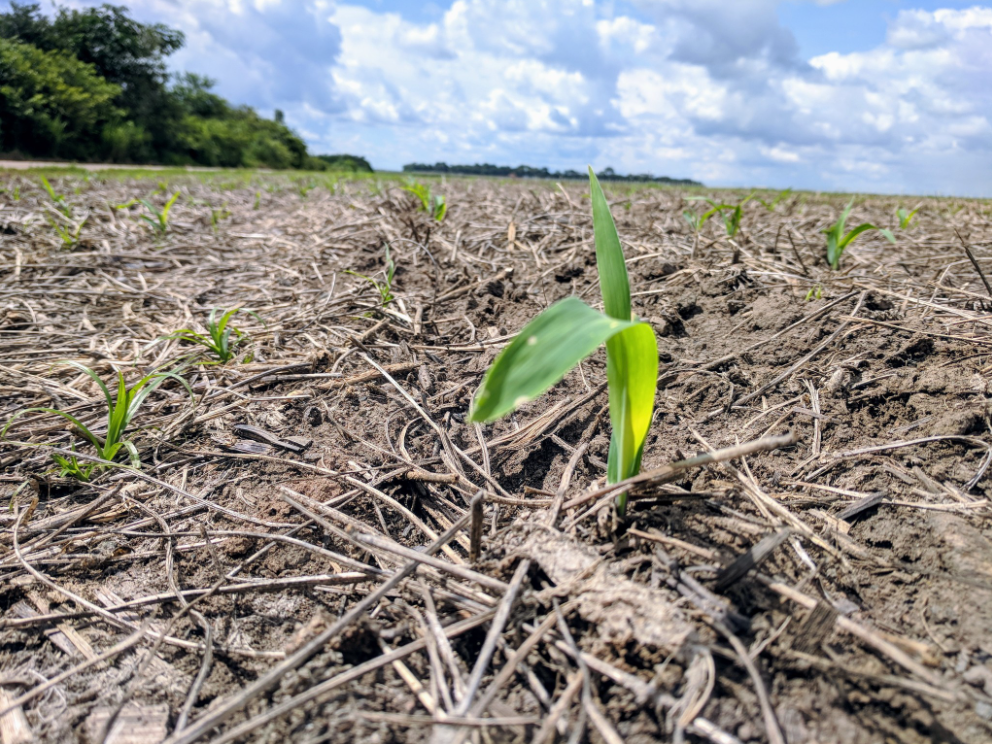
A poor growing season doesn't just affect farmers. As temperatures rise and rainfall patterns shift, harvests become less reliable, threatening farm incomes, global food supplies, and our ability to access affordable food.
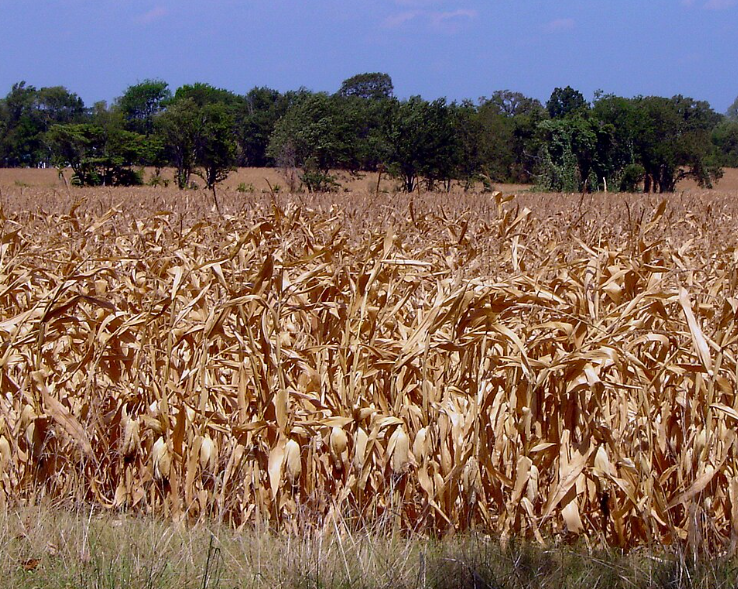
photo by countryboy1949
Growing food depends on more than getting enough rain or the right temperatures. Timing matters just as much. Farmers have long relied on familiar seasonal patterns to plan their crops, but climate change is making those patterns harder to predict. When heat or rain arrives at the wrong time, an entire harvest can be at risk.
photo by Nolan Kitts
A few days of extreme heat while a crop is flowering can damage a harvest. Drought can slow growth, while heavy rainfall can delay planting or destroy crops before they are harvested.
These impacts add up. Even as farmers adapt to changing conditions, climate disruptions continue to threaten global food production. A 2025 study estimated that every additional 1°C of warming could reduce production of major staple crops by the equivalent of about 120 calories per person, every day.
When the Rains Come Late, Farmers Lose Options
In central Brazil, many farmers grow soybeans followed by maize on the same land during a single rainy season. Two crops mean two harvests and two sources of income. But that depends on having enough time to grow both.
Research co-authored by Woodwell found that the rainy season in Brazil’s Cerrado now begins, on average, more than five weeks later than it did in the 1980s. That delay can leave farmers with too little time to grow maize after soybeans, potentially costing them a second harvest and reducing their income, as well as supplies of food and livestock feed.
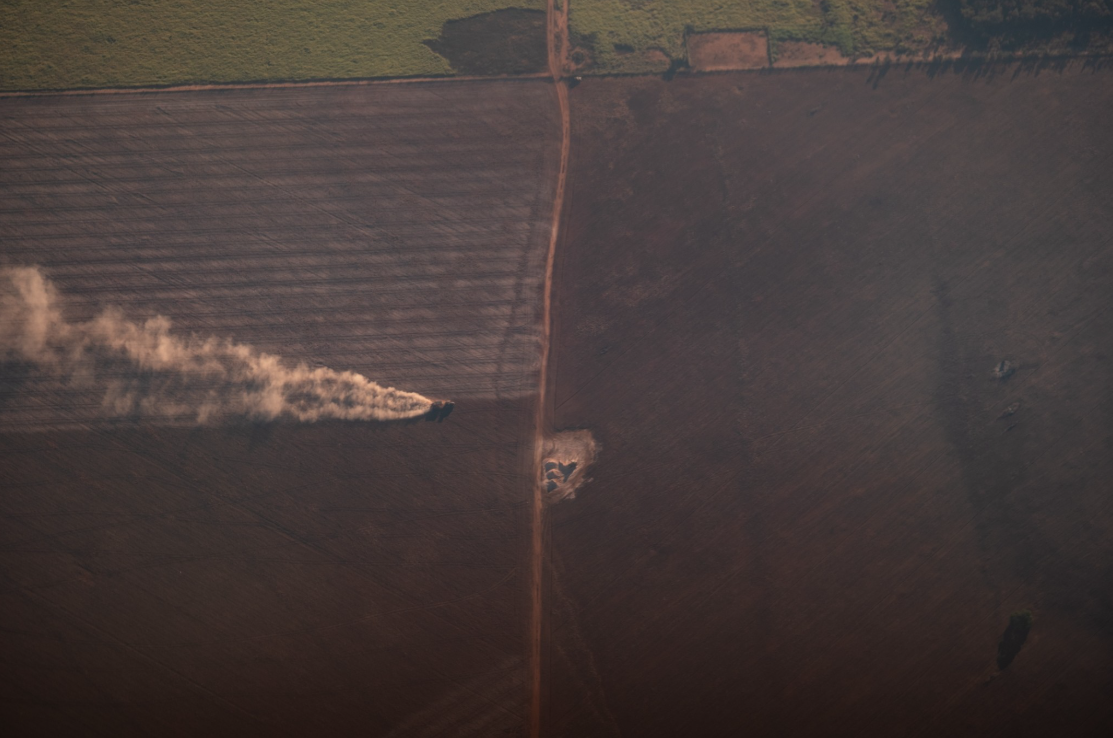
photo by Paulo Brando
Good and bad years have always been part of farming. But as the climate changes, the risk of crop failure is growing. Woodwell scientists project that by 2030, the risk of climate-driven crop failure in some of the world's major food-growing regions could be up to 4.5 times higher than during 1998–2017.
The consequences reach far beyond the farm. When harvests fall, farmers can lose income while food prices rise, making it harder for families to afford the food they need. Food insecurity isn't just about how much food is produced, but whether people can access it.
In 2023, increased exposure to heatwaves and drought was associated with an estimated additional 124 million people experiencing moderate or severe food insecurity across 124 countries, compared with 1981–2010 conditions. Climate is not the only driver—conflict, poverty, prices, and access all matter—but climate shocks can make an already difficult situation worse.
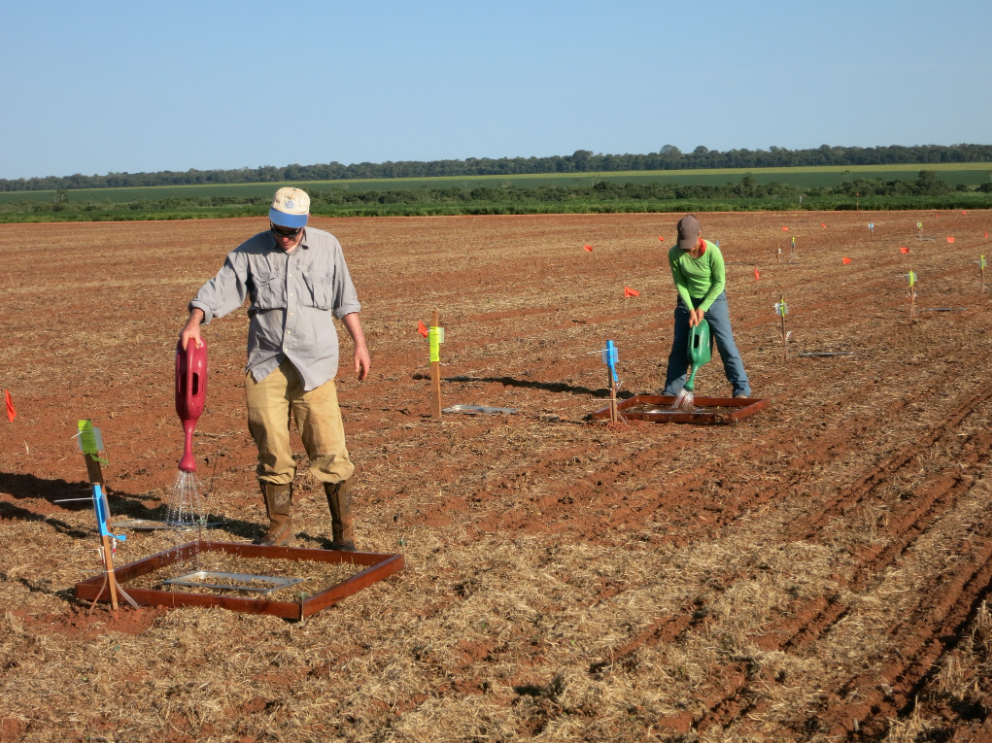
photo by Paul LeFebvre
Woodwell scientists study how climate change and land use affect agriculture and food security. Our research examines shifting growing seasons, crop failure risks, soil health, and how deforestation affects temperatures, water availability, and growing conditions.
Translating Science Into Solutions
Our research helps farmers and decision-makers understand these risks and identify ways to make agriculture more resilient. This includes improving farming and soil management practices while protecting and restoring forests and other ecosystems that regulate water, cool the land, and support a stable regional climate. Securing future harvests requires both adapting agriculture and protecting the natural systems it depends on.