photo by NOAA


What enters our air and water rarely stays where it starts. Pollution can travel great distances, affecting the air we breathe, the water we drink, the ecosystems around us, and ultimately our health.
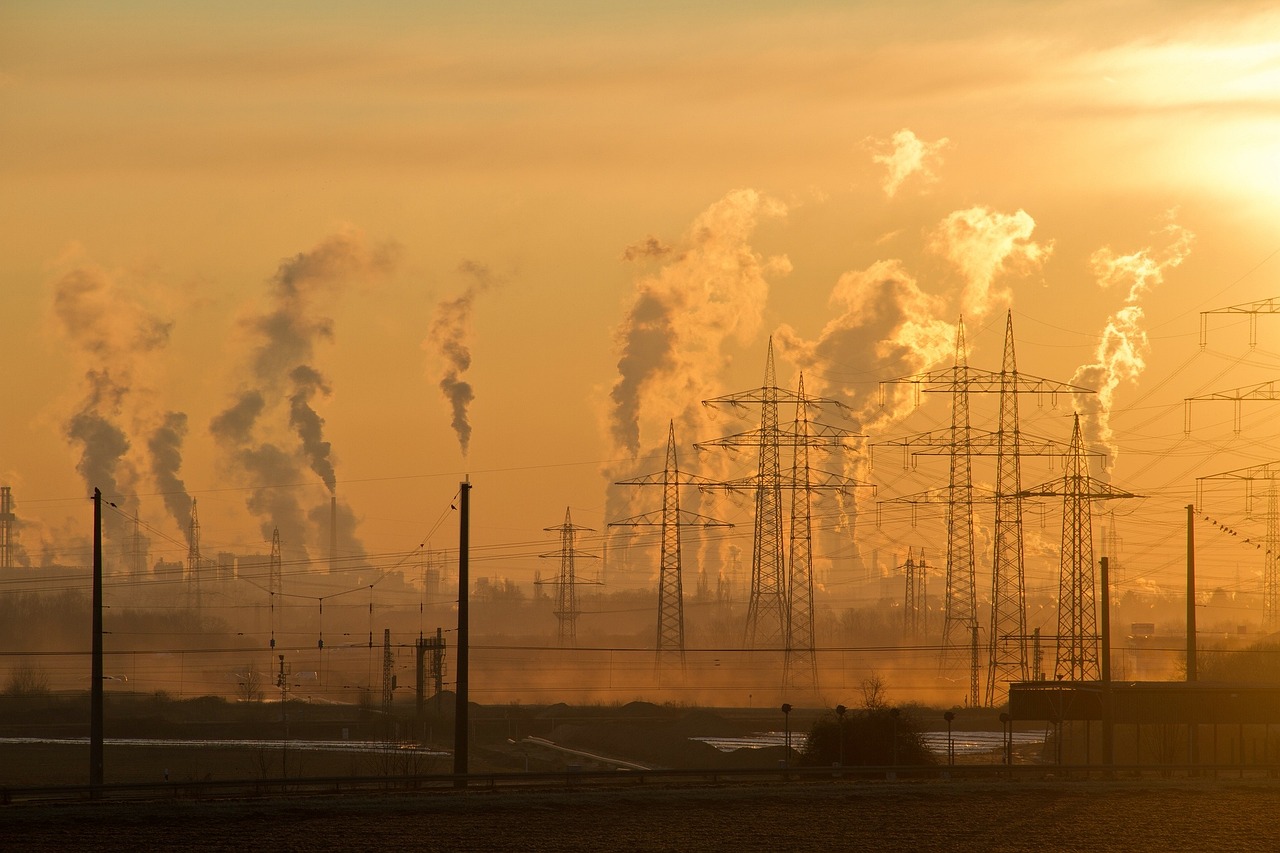
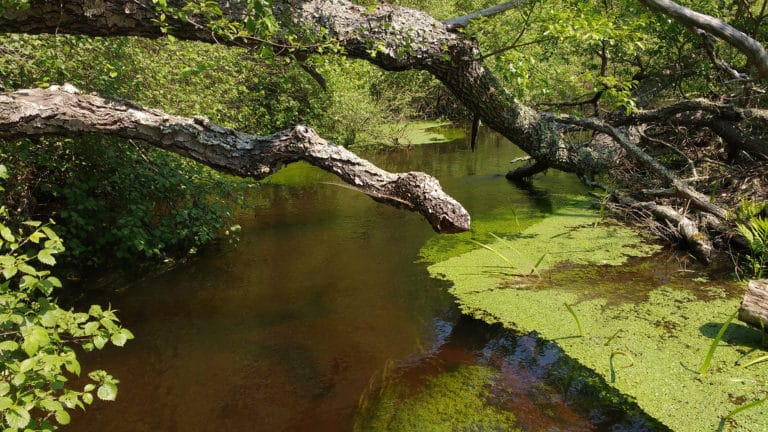
photo by pixabay
Smoke can travel thousands of miles. Rain can carry contaminants from the land into rivers and lakes. What begins as an air, agricultural, or land-use problem can become a threat to wildlife, ecosystems, and human health.
Woodwell studies these connections to understand how pollution moves through the environment, how they affect ecosystems, and how climate change and land use changes shape those processes.
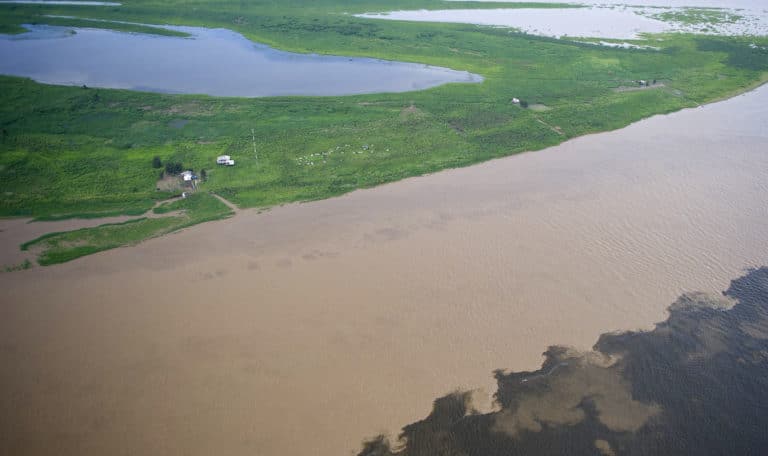
photo by NOAA
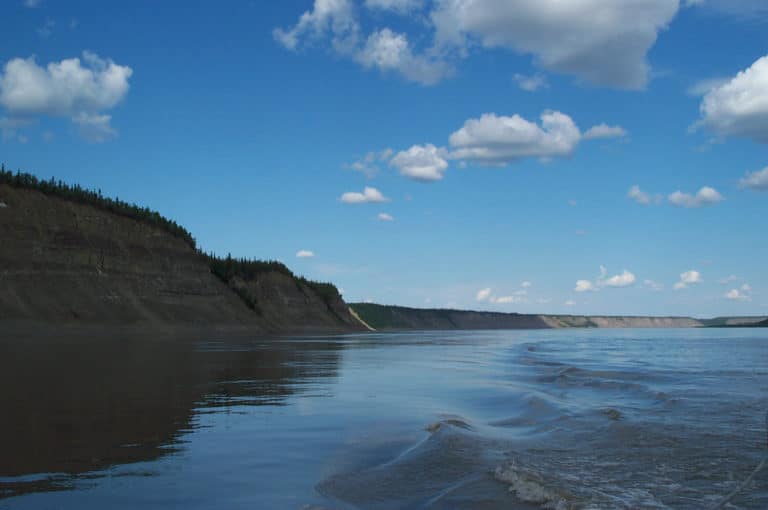
Pollution comes from many sources, from fossil fuels combustion and wildfire smoke and ash to fertilizer and pesticide use in agriculture. Climate change can make these problems worse. Heavier rainfall can wash more pollutants into rivers and lakes, while warmer waters can worsen harmful algal blooms fed by those pollutants.
The effects can reach surprisingly far. Between 2019 and 2021, wildfire smoke spread over 99.3% of North America, reaching more than 1.3 million lakes. A 2026 study of more than 2,000 U.S. lakes found signs of increased algal growth during and for up to two weeks after smoke events, with stronger effects when smoke was denser.
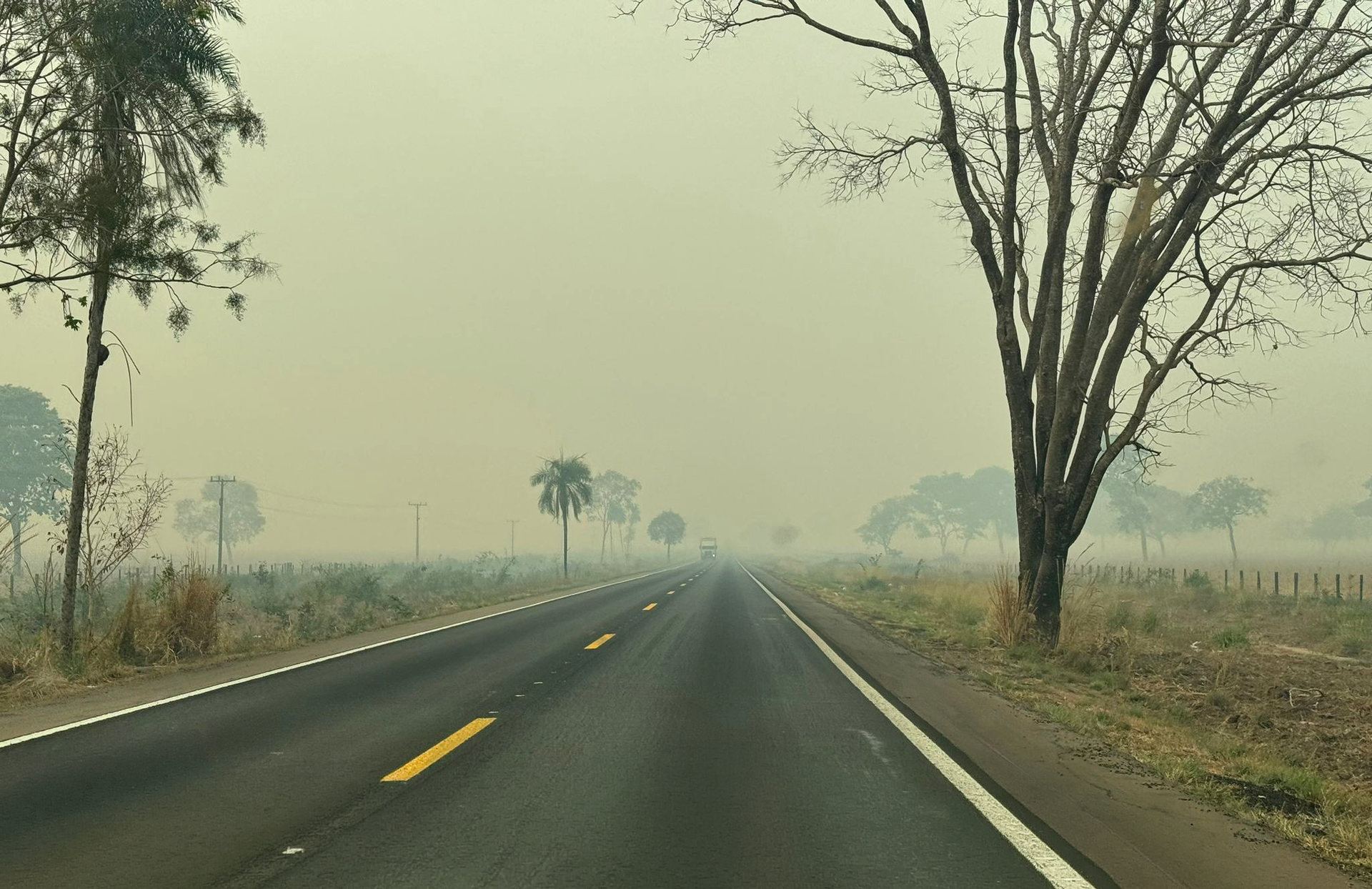
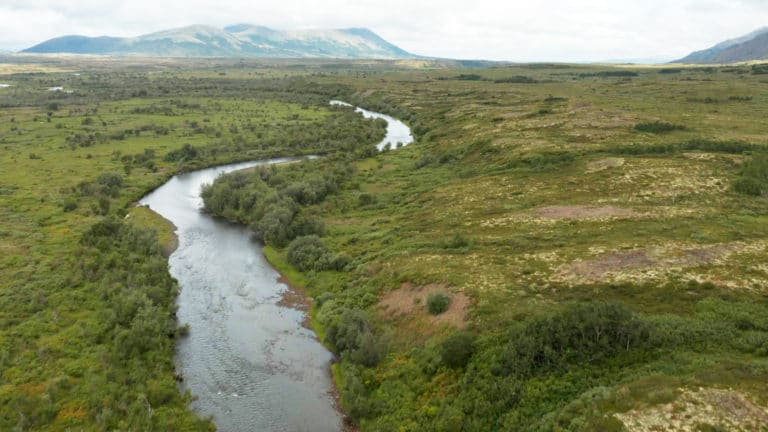
photo by Carlos Ferreira
Some of the most harmful air pollution is too small to see. Fine particulate matter (known as PM2.5) consists of tiny particles that can travel deep into our lungs, increasing the risk of heart and lung disease and premature death. Worldwide, air pollution causes an estimated 6.6 million deaths each year.
Wildfire smoke is one source of these particles. fossil fuel burning, agricultural fires, and airborne dust are others. Exposure can cause breathing difficulties and make even everyday outdoor activities unsafe.
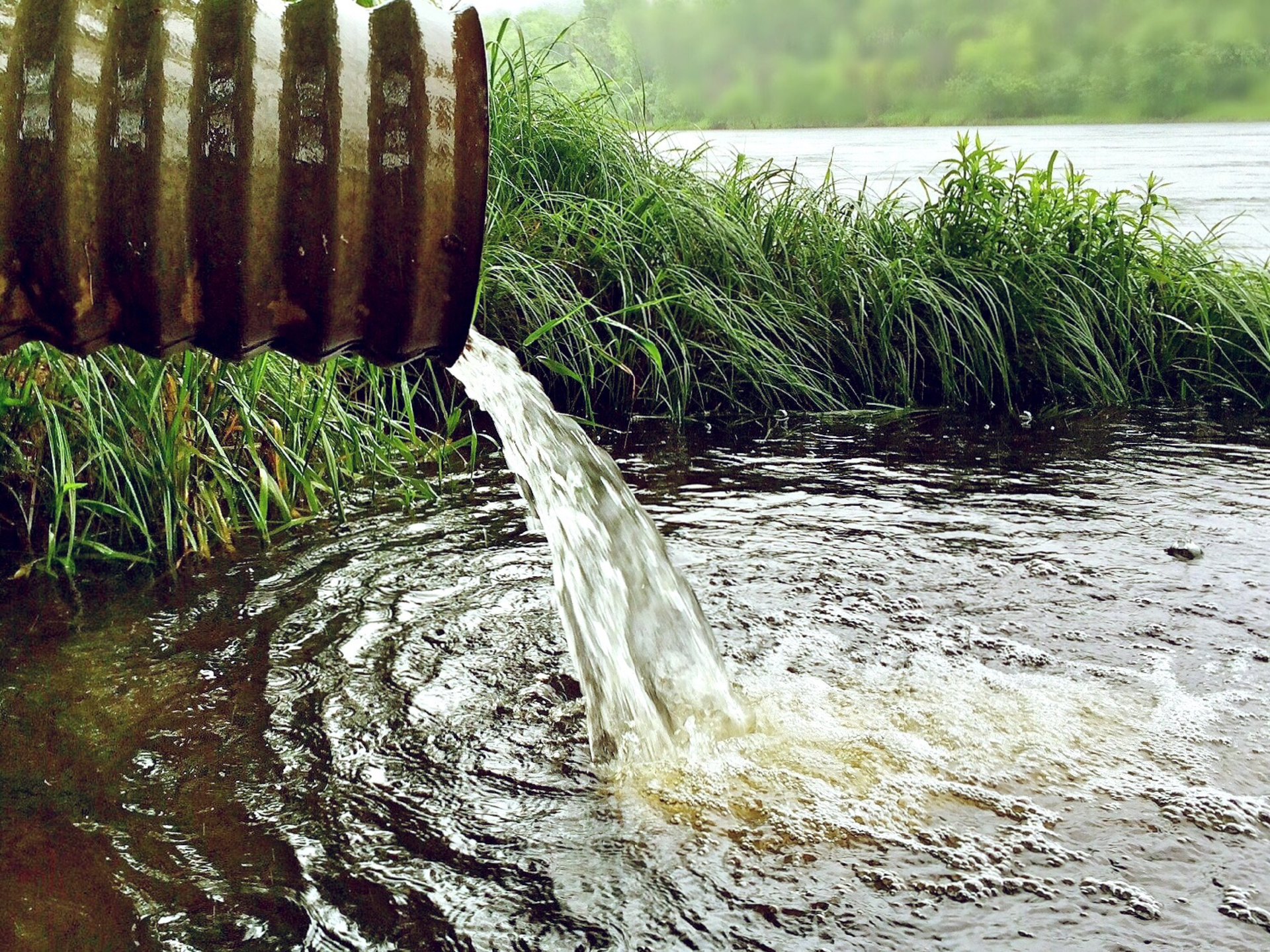
photo by wokandapix
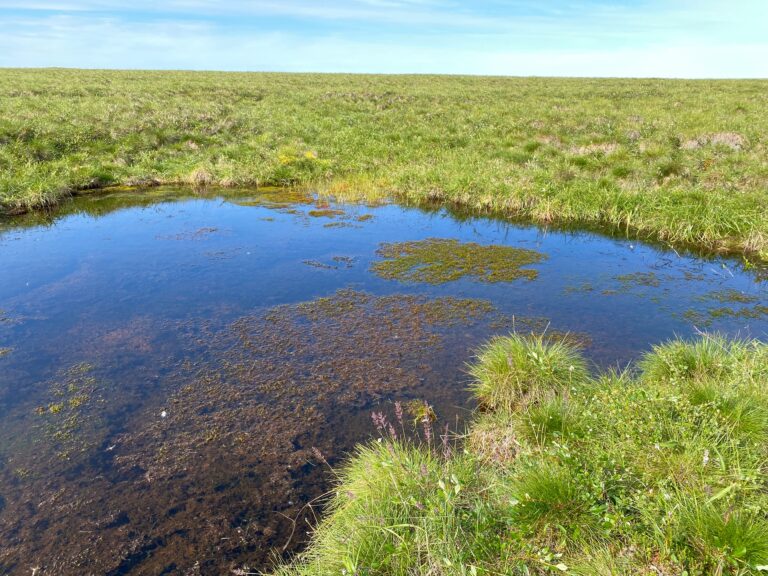
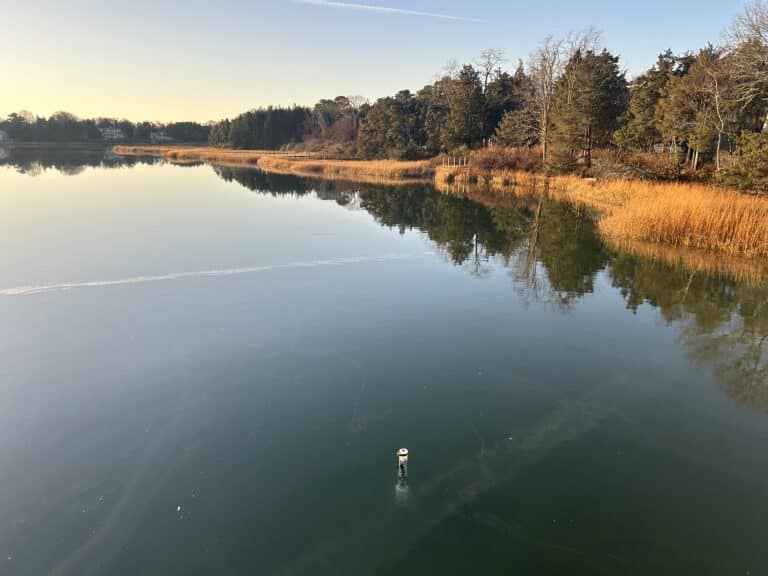
Rain and runoff can carry fertilizers, manure, pesticides, eroded soil, wildfire ash, and other pollutants into rivers, lakes, and coastal waters. Some contaminants can also seep into groundwater. The problem is widespread: in 2023, only 56% of 91,000 water bodies assessed across 120 countries were classified as having good water quality.
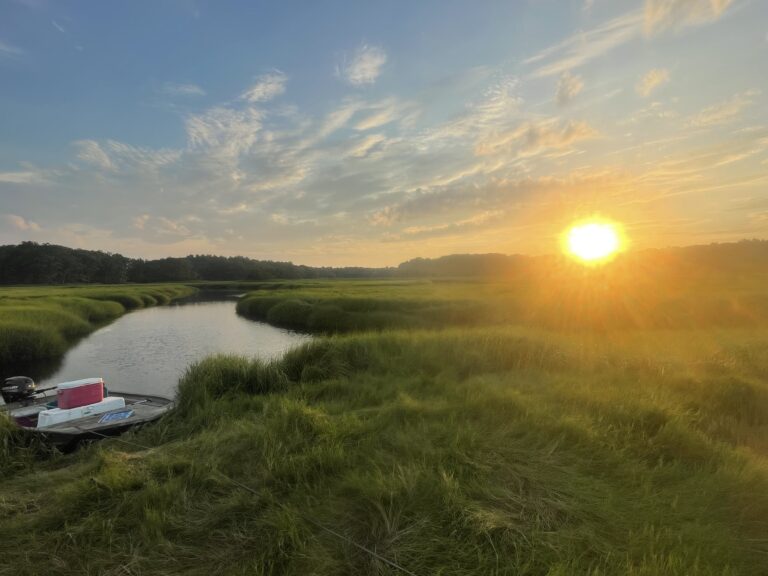
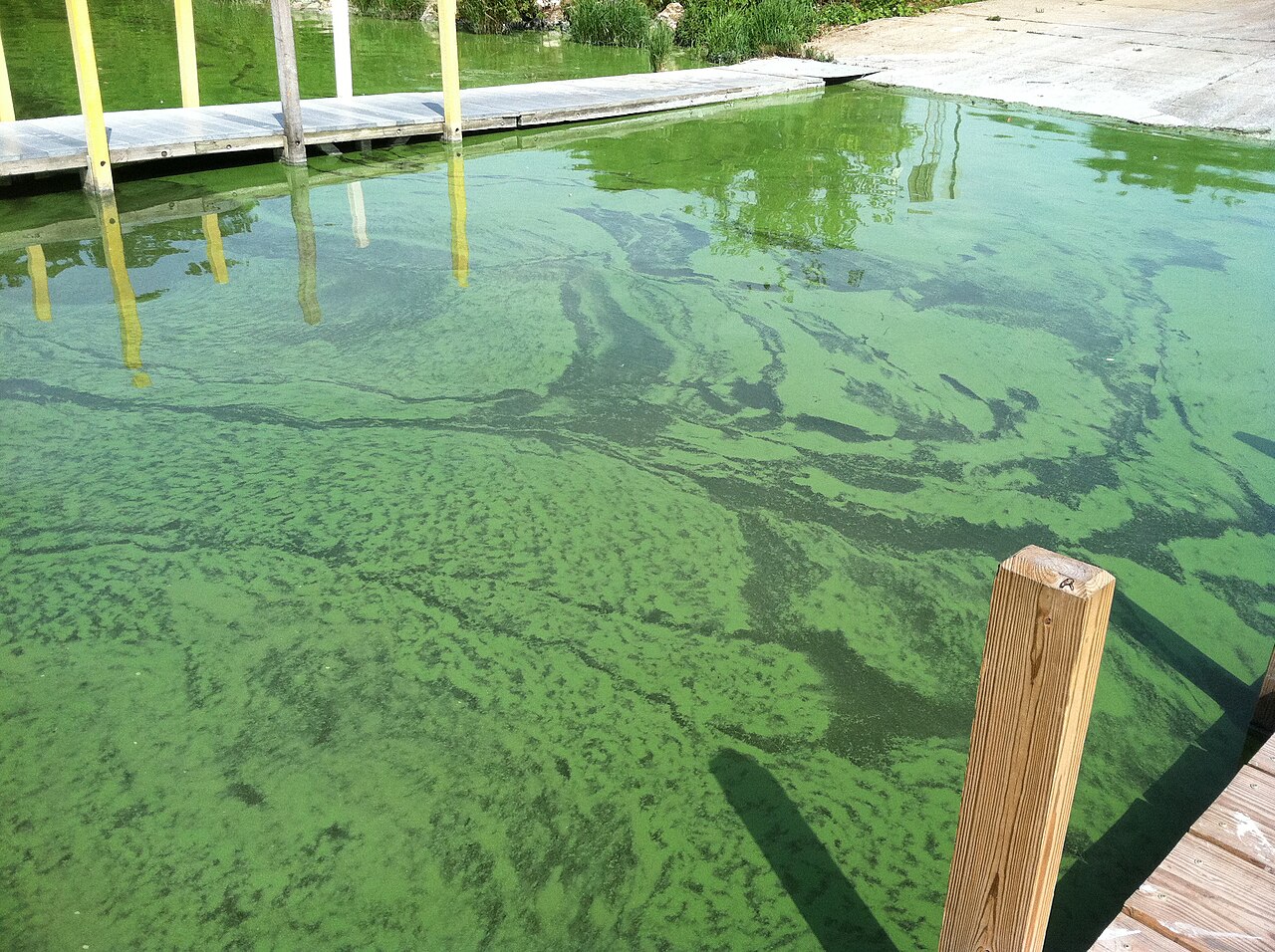
One major concern is excessive algal growth. Nutrients such as nitrogen and phosphorus help crops grow, but when too much reaches waterways, they can fuel large algal blooms. As the algae die and decompose, oxygen in the water can drop so low that fish and other aquatic life cannot survive, creating what are known as “dead zones.”
Some algal blooms also produce toxins that can make people and animals sick, threaten drinking water, close swimming areas, and harm fisheries.
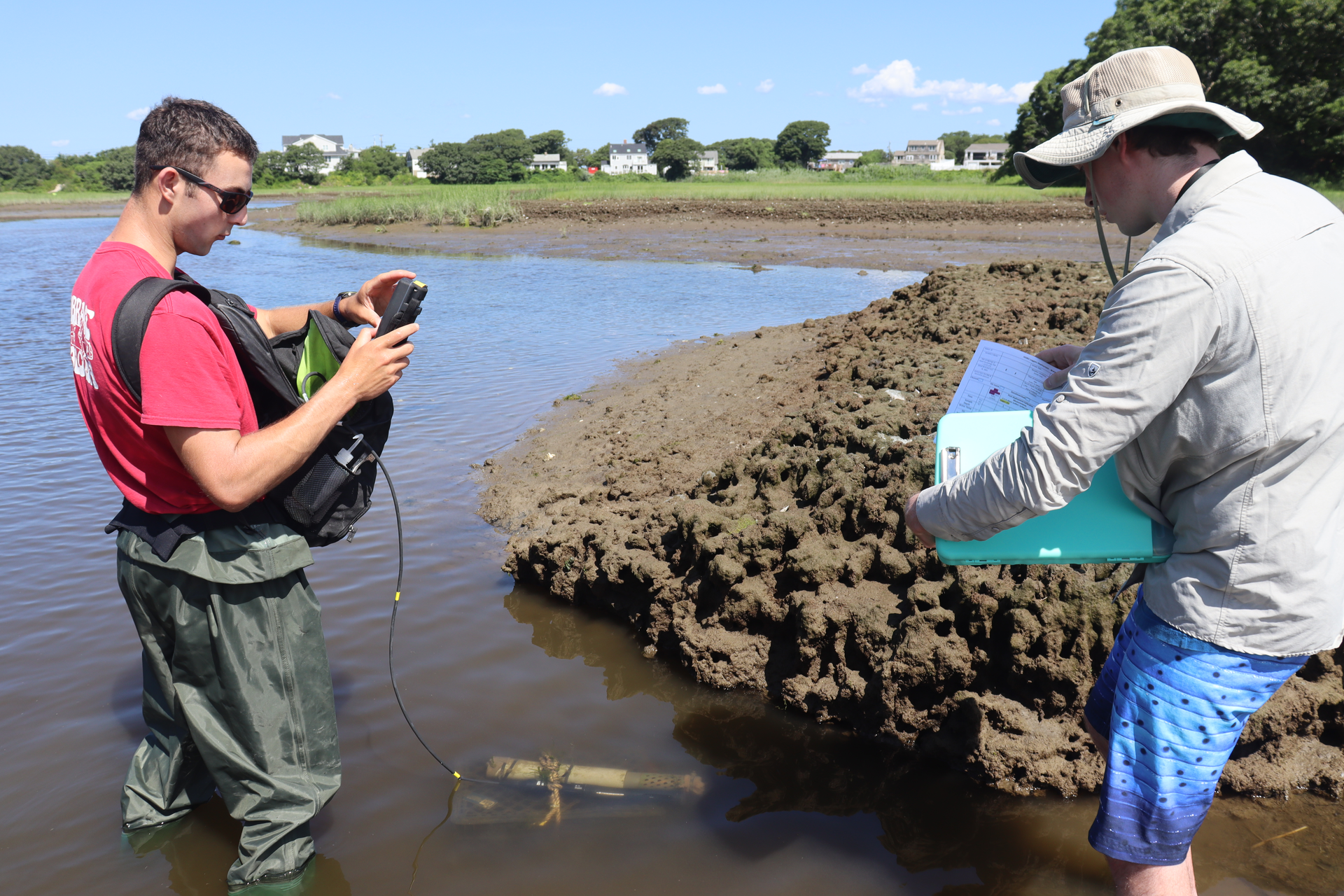
photo by Natasha Heisenberg
Woodwell scientists study how climate change, wildfire, agriculture, and land use affect air and water quality, ecosystems, and the people who depend on them. Our research examines how these pressures interact, how pollutants move through the environment, and the consequences for people and nature.
For example, Woodwell researchers are measuring mercury and particulate pollution from northern wildfires, while research at Tanguro Field Station examines how agriculture and fertilizer use affect water quality and the movement of nutrients through soils and streams.
Working with Indigenous and local communities, watershed organizations, farmers and land managers, fire managers, and research partners, we use this science to inform land and wildfire management, watershed protection, water-quality monitoring, and efforts to reduce pollution risks.