
- Feature


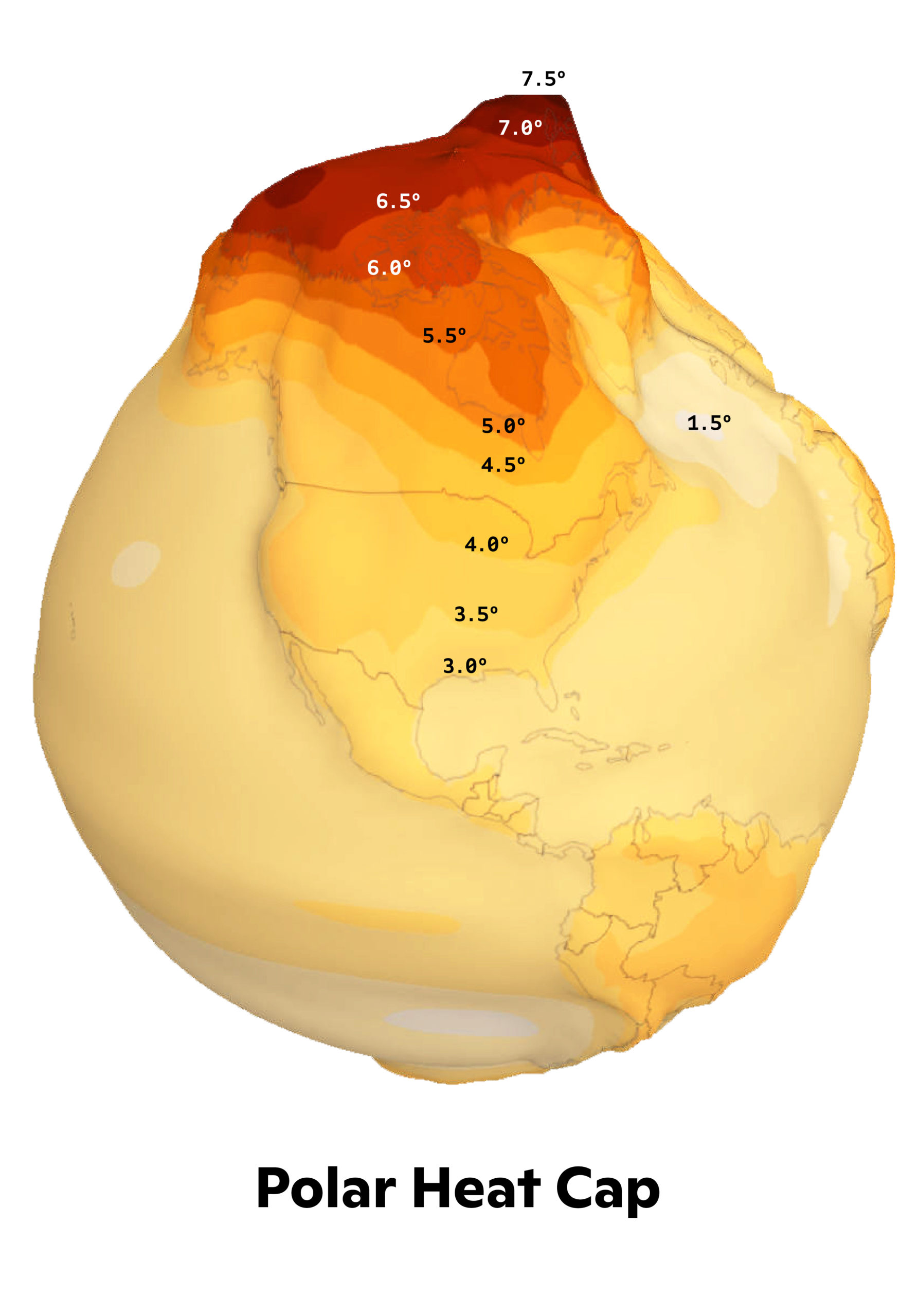
The planet’s vast Arctic regions are full of wondrous beauty and wild extremes. They are also warming at least three times as fast as the global average. This is because the Arctic is at the heart of incredible feedback loops that reveal the direct and immediate results of climate change—while also directly contributing to them. From permafrost thaw to coastal erosion, Arctic and boreal wildfires to greenhouse gas emissions, the fates of the Arctic and of the rest of the planet are intertwined.
Reflecting and absorbing sunlight. Storing and emitting carbon. Triggering and steering global weather. Understanding the Arctic is critical to understanding our climate, and the unprecedented fluctuations being seen in Arctic systems threaten to have dire global consequences for generations to come.
By tracking new phenomena like gas-emission craters, implementing innovative initiatives like Permafrost Pathways, and contributing to long-running studies like the Arctic Great Rivers Observatory, Woodwell Climate researchers are working to measure, track, and attenuate these risks.
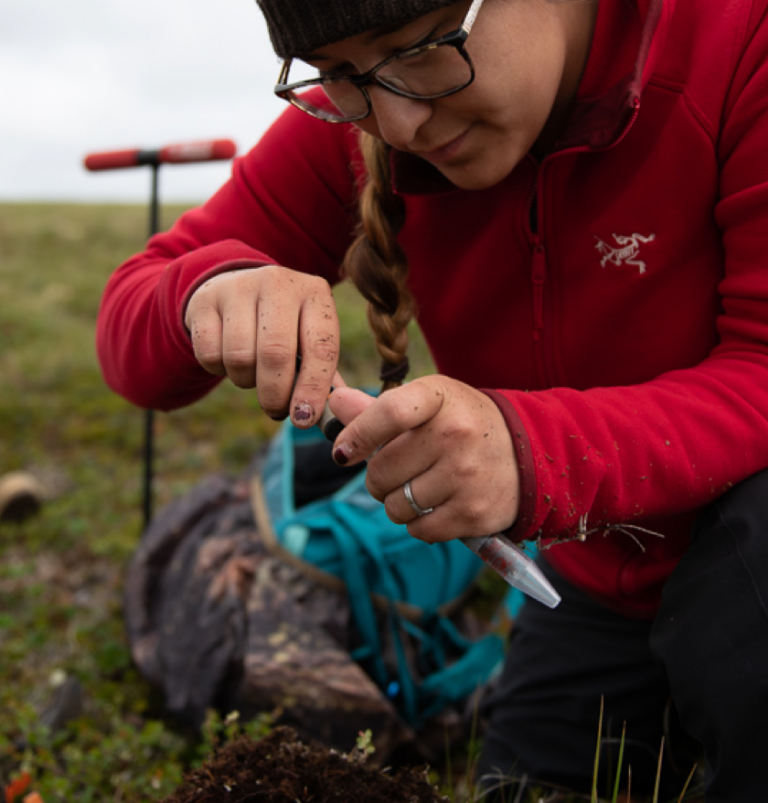
Today, Arctic communities face an onslaught of climate change impacts – thawing permafrost, disappearing sea ice, shifting weather patterns – that threaten lives and livelihoods. There are no easy answers as landscapes erode, infrastructure crumbles, and houses collapse. After spending decades conducting field research in and around Arctic communities, we have a unique obligation and ability to support the people who live there.
Woodwell Climate researchers provide vital data that helps communities better understand how permafrost regions are changing, and how they can prepare, adapt, and respond to their new surroundings.
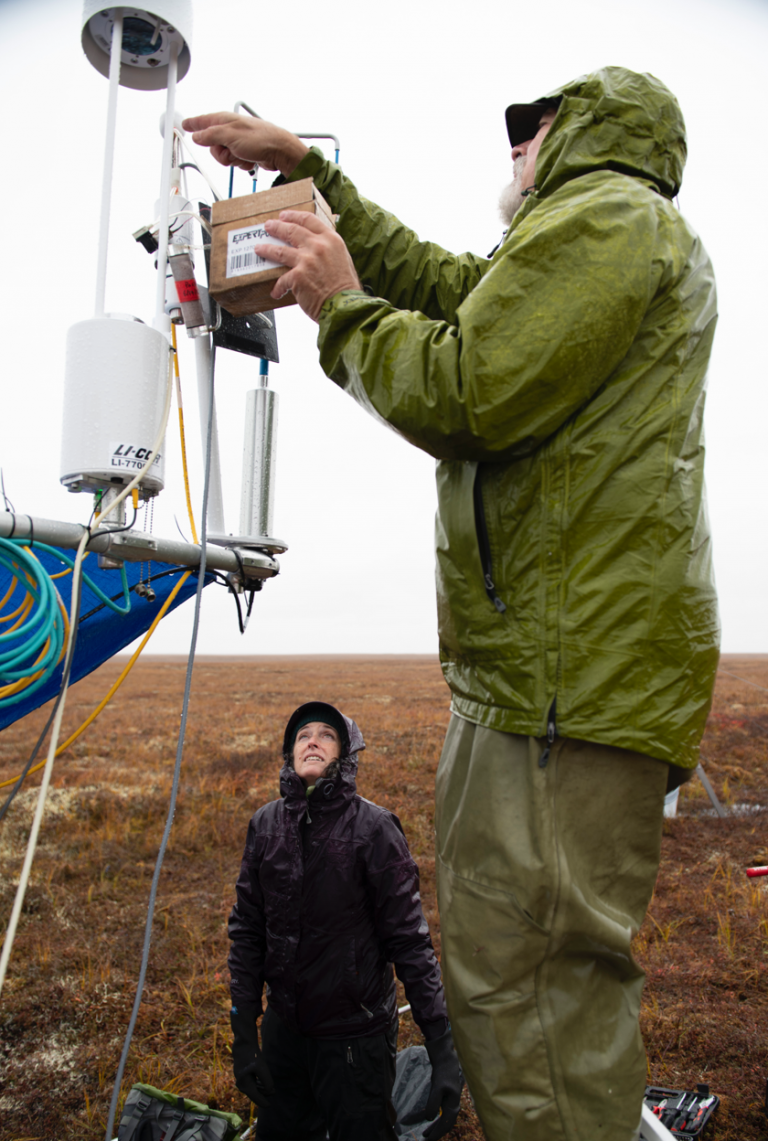
At Woodwell, we work to align science with strategic policy interventions to measure, monitor and prepare for potentially ruinous climate and economic impacts of a rapidly warming Arctic, to clearly illustrate these findings for key decision makers, and to help develop effective solutions to respond to the changes that will likely be felt around the world.
“The Arctic is an incredibly beautiful, ecologically productive and diverse region that is currently on the front line of climate change. We're studying all aspects of Arctic change, including climate feedbacks, and are taking action to support Arctic climate mitigation and adaptation efforts.”
Dr. Jennifer Watts, Arctic Program Director