- Feature


Climate change is driven by the increase in concentrations of CO2 and other greenhouse gases in the atmosphere, primarily due to fossil fuel combustion. Fortunately, the Earth’s forests, soils, and natural systems can be a powerful tool to slow this dangerous build-up—if they are properly conserved and managed. Woodwell Climate scientists work across continents and fields of study to find comprehensive strategies to promote natural climate solutions for reducing carbon in the atmosphere.
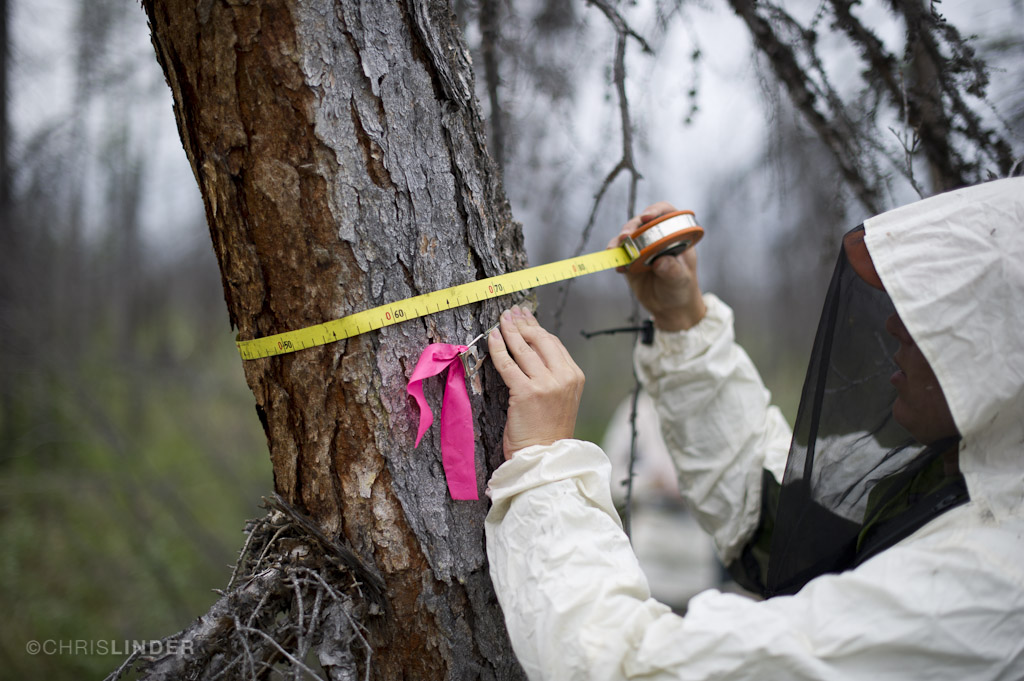
Before you can manage a problem, you must be able to consistently and accurately measure it and monitor it. Woodwell Climate scientists measure and track the amount and distribution of carbon in vegetation and soils—from forests in the Tropics to temperate croplands and permafrost in the Arctic—so that we can better understand the storage and dynamics of land-based carbon, as well as how much is being lost and how it can be restored.

By harnessing these data, Woodwell’s research contributes to the fundamental understanding of the carbon cycle and its impacts on climate. Our work is foundational in the search for natural solutions to climate change, with the power to inform science, guide policy and education, and help reshape agricultural and business practices around the world.
“For land management to be a climate solution, we need three things: evidence of what really works, a way to monitor outcomes, and incentives for land stewards to adopt those practices. We're working on all three.”
Dr. Jon Sanderman, Carbon Program Director