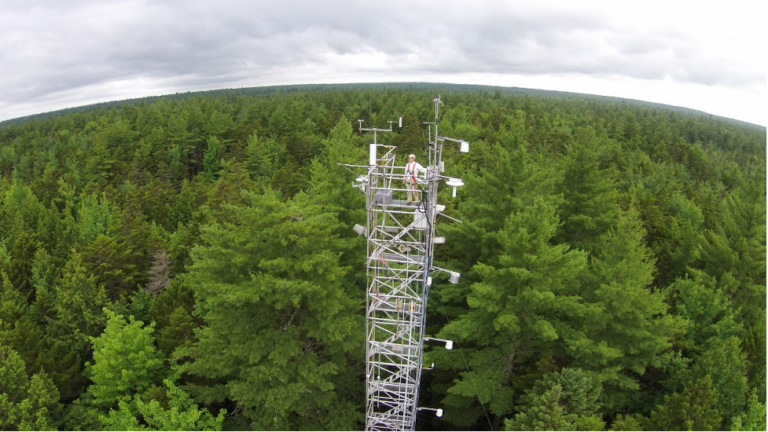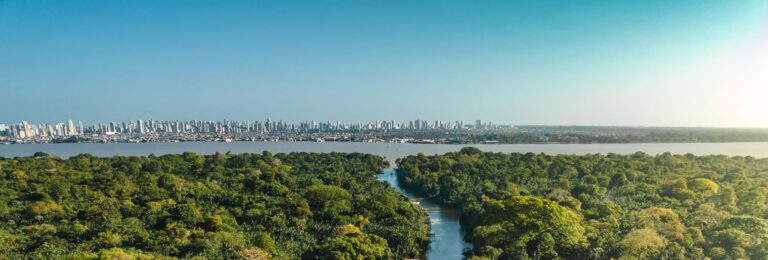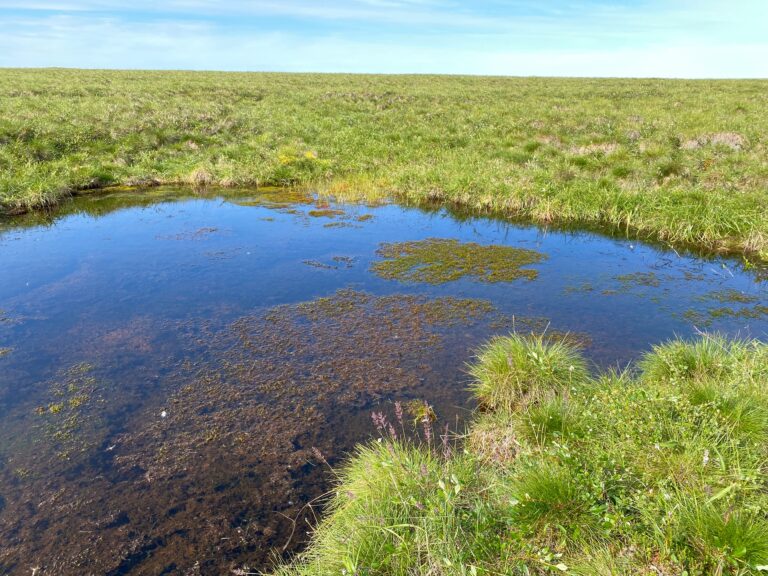
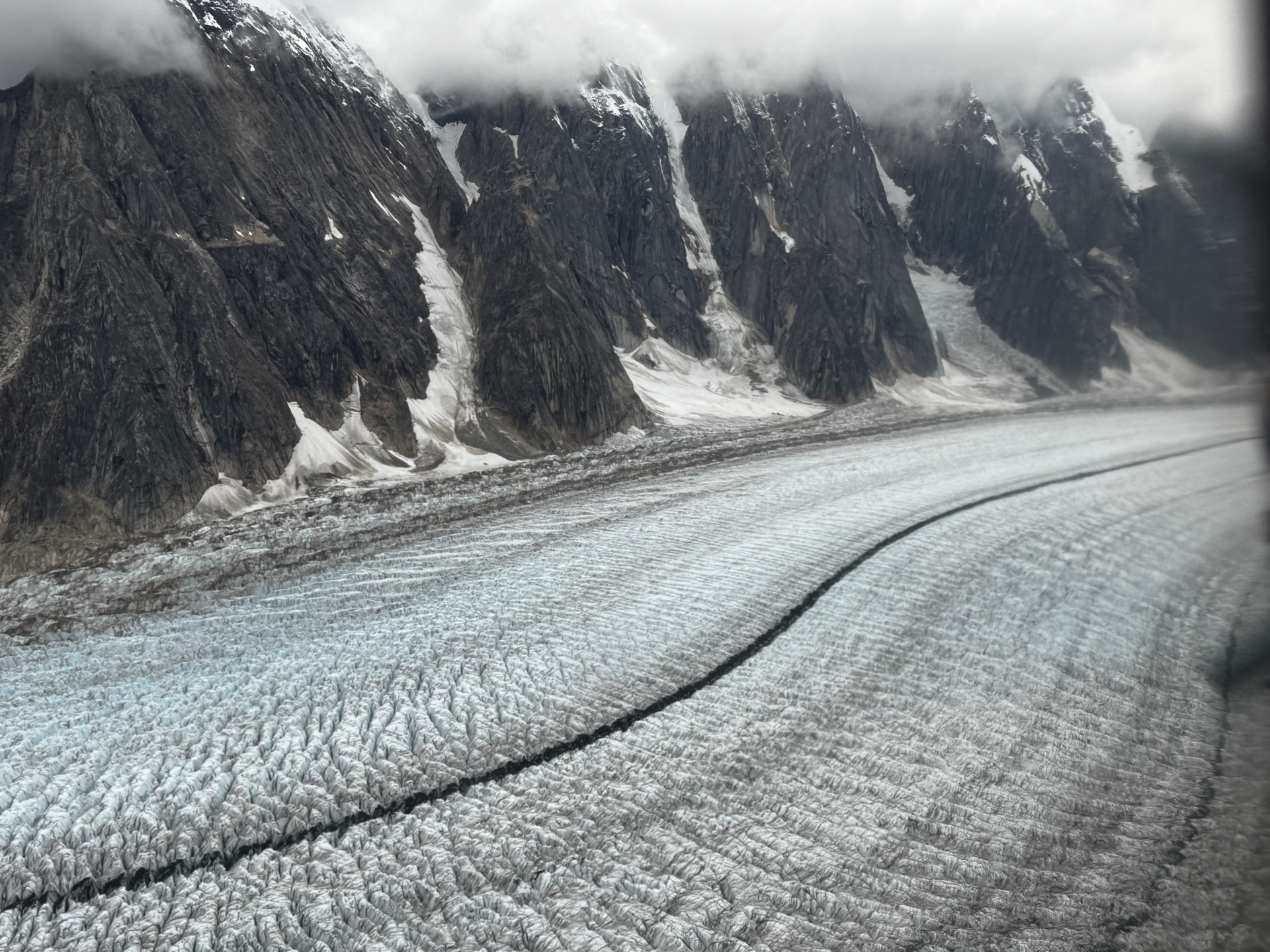
photo by Brendan Rogers


Permafrost stores vast amounts of carbon and provides a foundation for ecosystems and communities. As the planet warms, thawing permafrost is changing these landscapes and releasing greenhouse gases that can accelerate climate change.
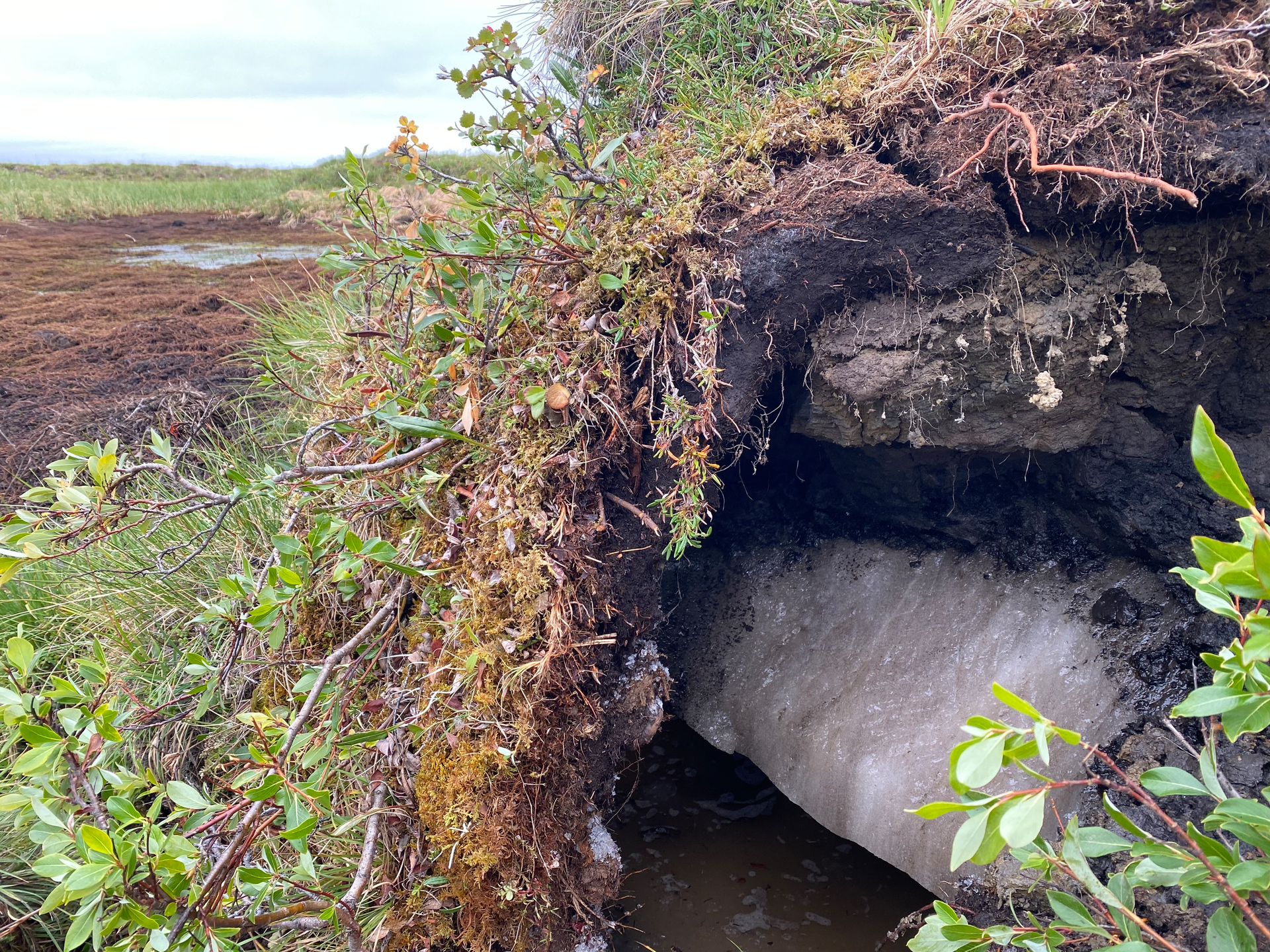
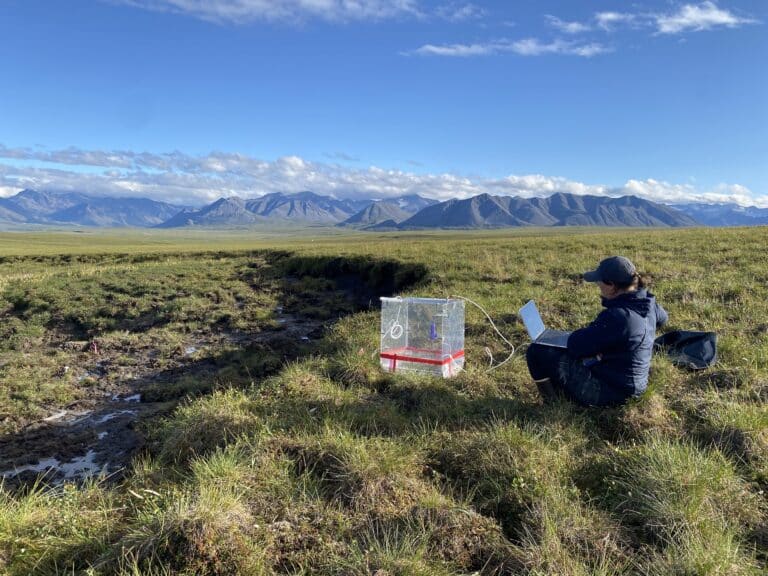
photo by Anna Liljedahl
Understanding how quickly permafrost is changing, how much carbon it could release, and what those changes mean for people and the planet is essential to anticipating its impacts.
Woodwell investigates these questions through field research, monitoring, and climate modeling. By making permafrost change more visible and measurable, our scientists help improve climate predictions and give communities the information they need to prepare and adapt.
photo by Brendan Rogers
Permafrost is ground, including soil, sediment, or bedrock, that stays at or below 0°C (32°F) for at least two consecutive years. Unlike glaciers or sea ice, permafrost is frozen ground, and the amount of ice it contains varies from place to place.
Above it lies the active layer, which thaws in summer and freezes again in winter. This is where plants take root, microorganisms are active, and water moves through the soil. Beneath it, the permafrost remains frozen year-round.
Where is permafrost found?
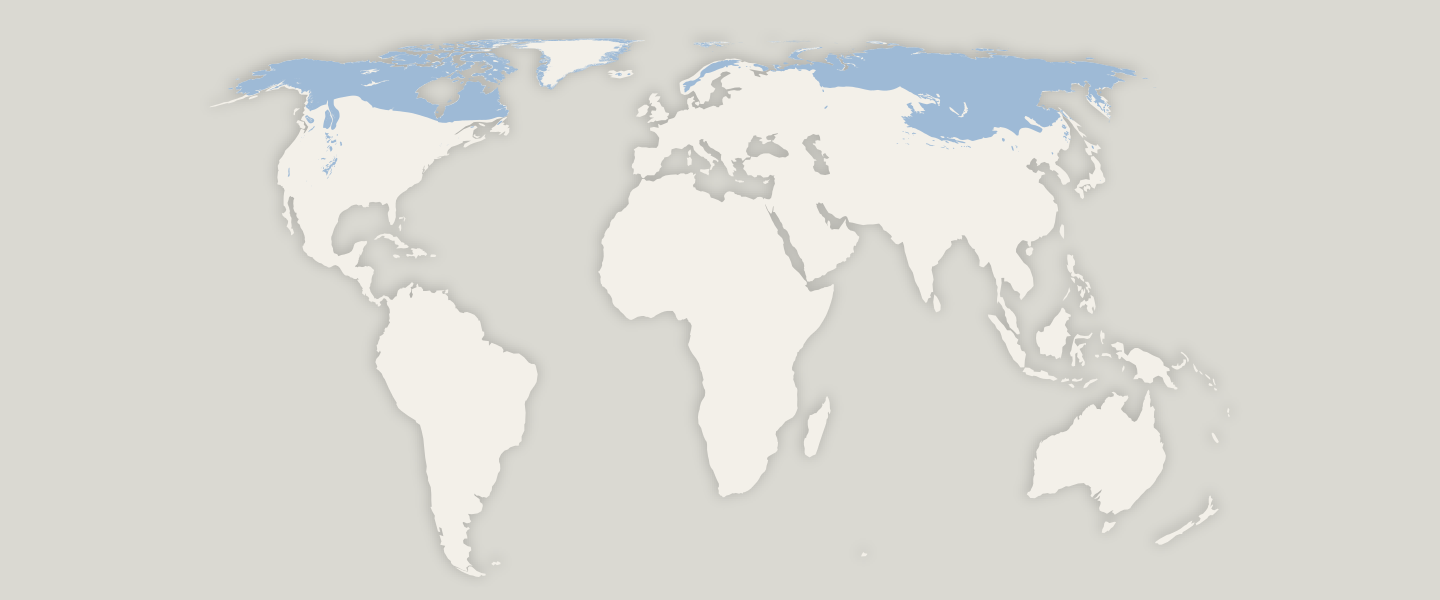
Most permafrost occurs across the Arctic and sub-Arctic, but it is also found at high elevations and in some mid-latitude regions, including the U.S. Rocky Mountains, the Tibetan Plateau, and Mongolia.
It can lie beneath tundra, forests, wetlands, lakes, roads, and communities. In some places, it extends more than a kilometer underground. In others, it occurs in scattered patches, depending on local climate, snow, vegetation, water, soils, and terrain.
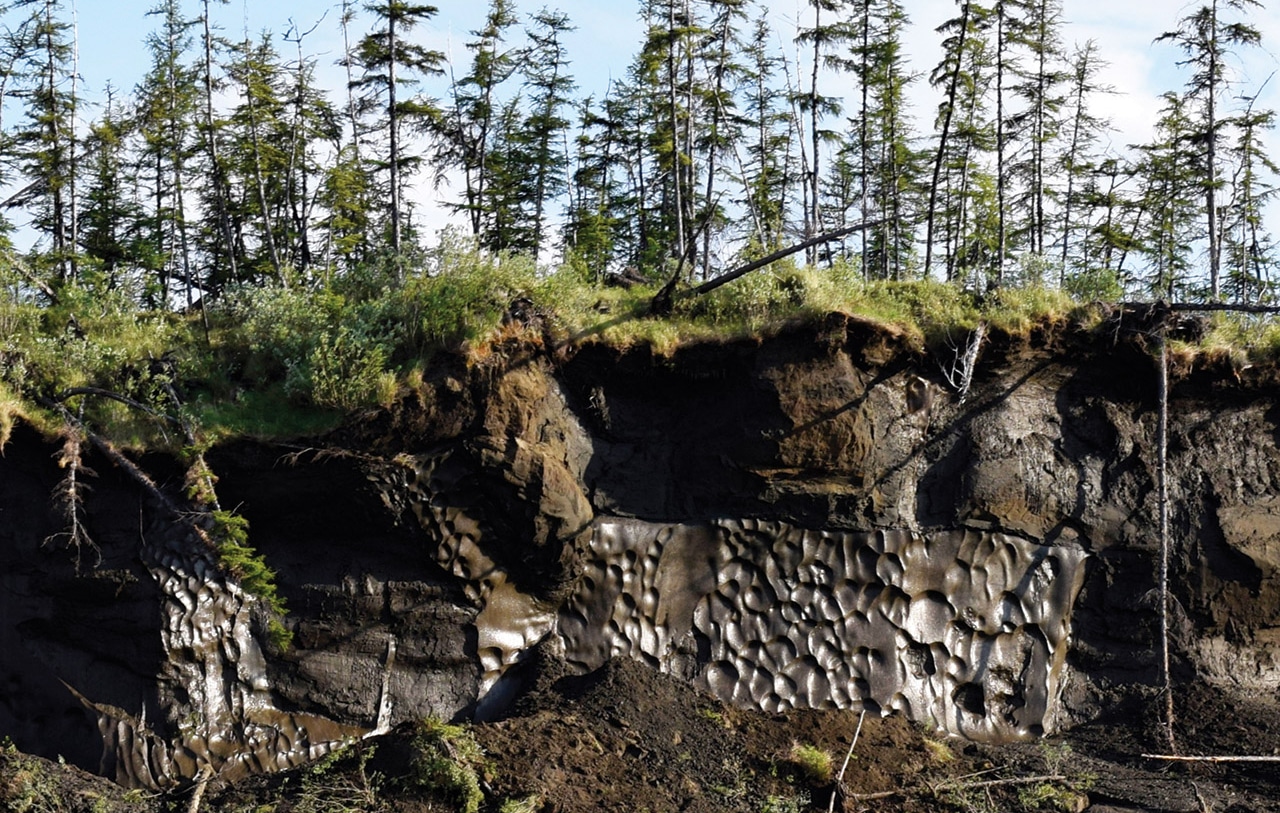
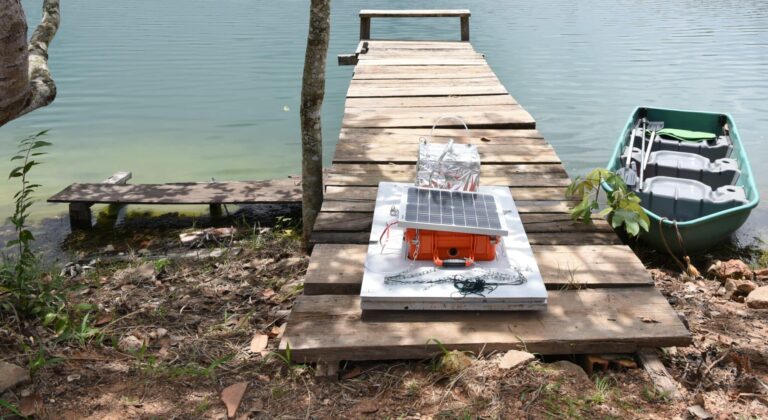
photo by John Schade
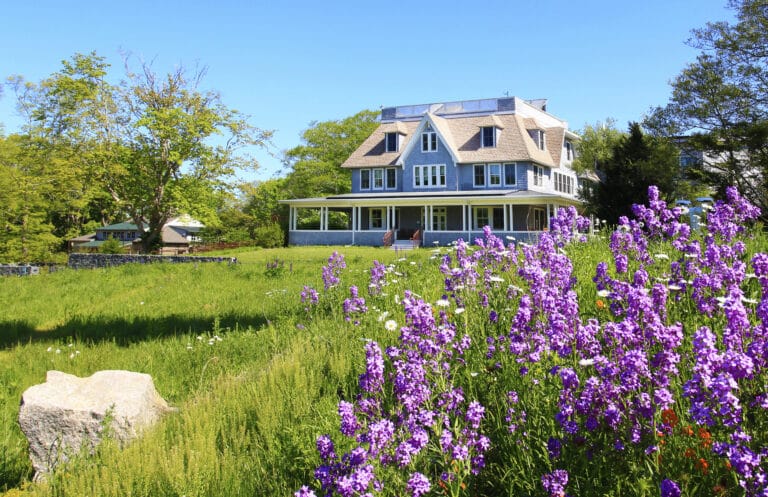
Permafrost provides a foundation for northern and high mountain landscapes, shaping water movement, vegetation, and the stability of the ground beneath ecosystems and communities. Soils across the northern permafrost region also hold vast amounts of organic carbon that have accumulated over hundreds to thousands of years. Cold conditions slow decomposition, keeping much of that carbon stored underground. As permafrost thaws, the carbon decomposes into greenhouse gases and is released, accelerating global warming. Keeping permafrost frozen therefore matters not only for the landscapes and communities that sit atop it, but for the global climate.
When permafrost thaws.
The Arctic is warming nearly four times faster than the global average. As permafrost thaws, the release of more carbon contributes to further warming, creating a cycle that drives additional permafrost thaw. Wildfires can further accelerate this process by burning away the vegetation and organic soil layers that insulate the ground, while also releasing carbon directly into the atmosphere.
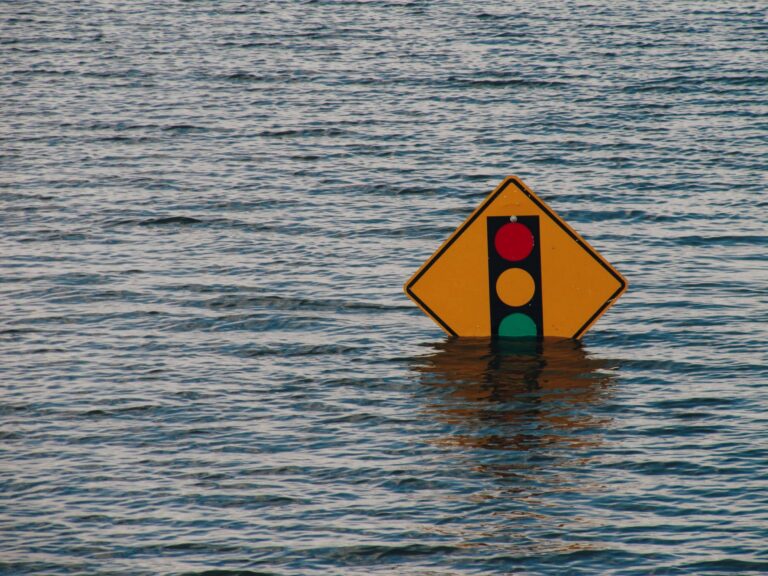
When permafrost thaws the impacts can be felt quickly. Houses and roads collapse, shorelines erode, landslides occur and drinking water is contaminated, threatening the lives of millions of people who live in these regions.
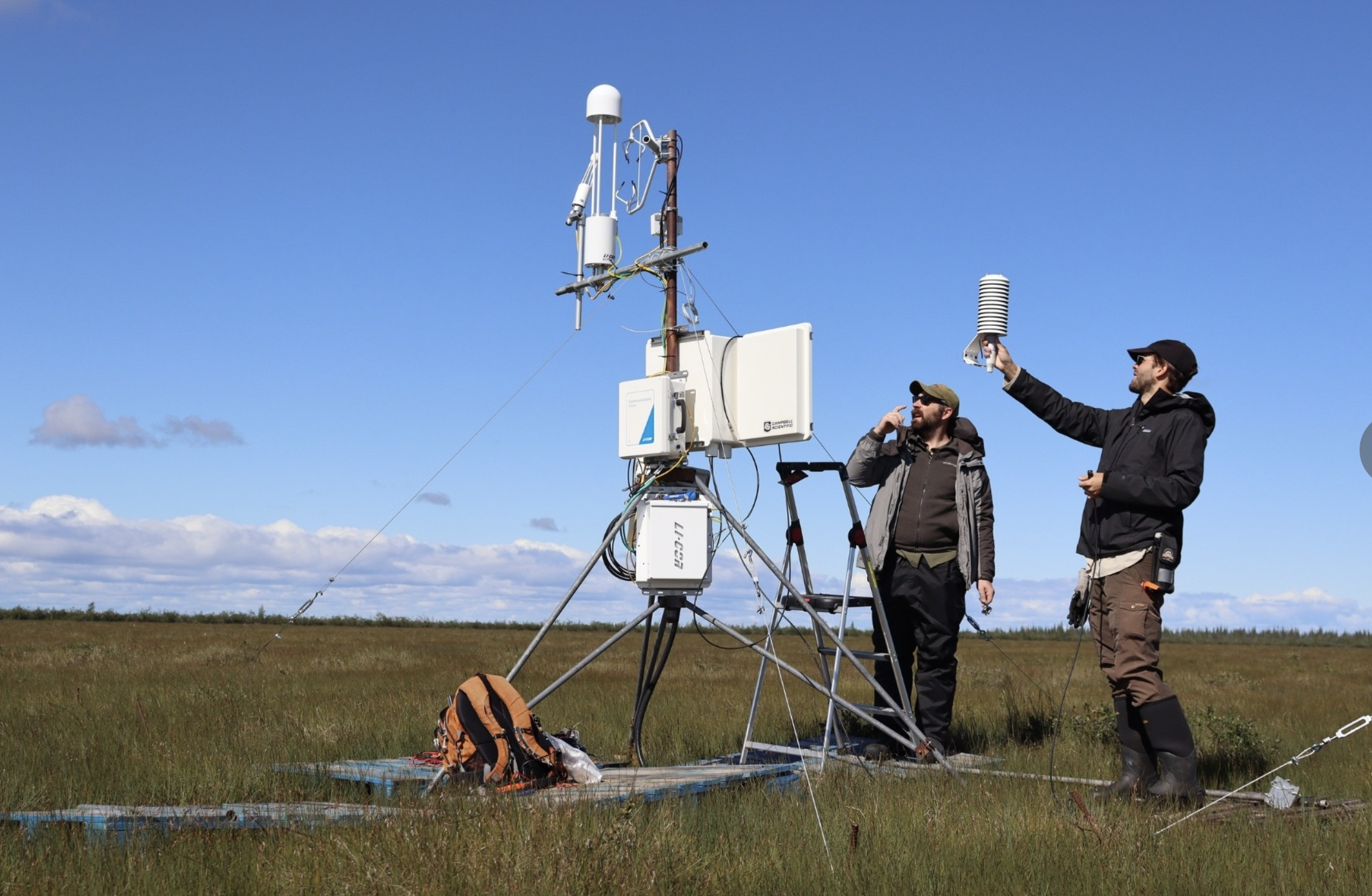
photo by Jessica Howard
Woodwell investigates how permafrost is changing and what those changes mean for communities, ecosystems, and the global climate. Our scientists monitor thaw and landscape change, measure carbon dioxide and methane moving between land and atmosphere, and study how abrupt thaw and wildfire affect permafrost, ecosystems, and greenhouse gas emissions.
Through Permafrost Pathways, Woodwell and collaborators are expanding year-round measurements of carbon dioxide and methane across the northern permafrost region. At the Alaska Extreme Thaw Observatory, scientists are tracking greenhouse gas emissions and environmental change at a rapidly expanding thaw slump. The Permafrost Discovery Gateway uses satellite imagery, large geospatial datasets, and artificial intelligence to detect and map permafrost-related landscape change across the Arctic.
Woodwell also works with international research teams through efforts such as the Warming Permafrost Model Intercomparison Project to improve how permafrost processes are represented in climate models. Together, these observations and models help strengthen estimates of future permafrost change and emissions, and help ensure that permafrost feedbacks are better reflected in climate projections, global carbon budgets, climate assessments, and policy.
Through Permafrost Pathways, Woodwell also works with Alaska Native communities and other Indigenous partners, combining environmental monitoring, mapping, modeling, Indigenous Knowledge, and local observations to understand changing landscapes and support community-led monitoring and adaptation planning.